Evaluating Perennials for Chicagoland Gardens
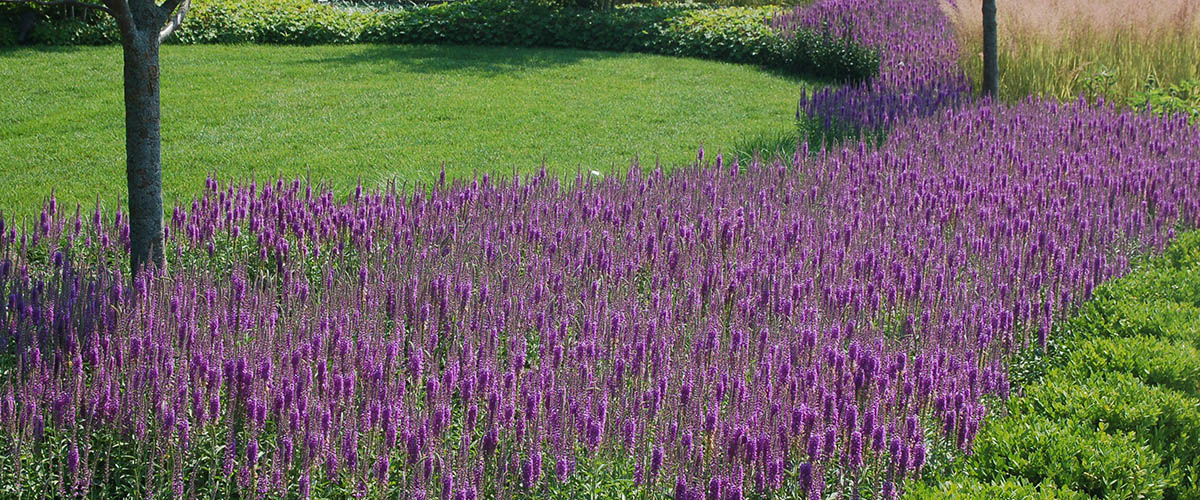
Perennials in Focus is a plant evaluation program that examines new and underused plants for Chicagoland, the third largest metropolitan area in the country. A group of horticultural experts trials and evaluates plants at numerous locations across the region. Results help consumers, public gardens, growers, landscape designers, breeders, and other industry professionals make informed plant choices.
Testing Filipendula Rubra Recovery After Extended Dry Spells
Few garden perennials stir up as much debate about water needs as Filipendula rubra. The traditional advice is to keep queen of the prairie planted beside a pond or in a boggy meadow where its tap roots can drink freely. With summers growing hotter and longer in many parts of the world, the team behind these trials set out to measure what actually happens when this moisture-loving herbaceous perennial is held off from a regular soak for an extended stretch.
That question lands with real weight for Australian readers. South Australian gardens around Adelaide regularly ride out summers where the soil cracks and councils may move to stage 2 watering bans. Inland parts of Victoria and the western suburbs of Sydney see similar patterns in many years. Knowing whether a tall, showy perennial can tough it out through a five-week dry stretch without dying back completely helps growers plan a border that does not collapse the moment the dam runs low.
Why Drought Performance Is Worth Trialing
Climate volatility has moved water resilience from a desirable bonus to a frontline trait in perennial selection. The Perennials in Focus program works with nursery growers, public gardens, retailers, breeders and landscape professionals across the Chicago region to trial plants under regional stress, including heat, humidity, cold, dryness and extended dry spells. The point is to give every stakeholder, from a hobby gardener in suburban Brisbane to a landscaper in the Adelaide Hills, something more useful than a glossy catalogue photo.
Plants that fail the trial are just as valuable as those that succeed. A perennial that wilts to the crown and never returns sends a strong signal to keep it firmly in the bog or rain garden niche. One that scorches badly but rebounds in autumn is a candidate for tough-love border planting in a drier bed. The data lets regional buyers put the right plant in the right place rather than guessing from a Latin name.
A Closer Look at Queen of the Prairie
Filipendula rubra belongs to a small genus of herbaceous perennials in the rose family. Its native range runs across wet meadows and stream margins of eastern North America, from Pennsylvania north into Quebec and west to Minnesota. The straight species can stretch to two metres in flower, while the popular cultivar 'Venusta' usually settles around 1.5 to 1.8 metres with deeply coloured rose-pink panicles in early to mid-summer.
Despite its lavish floral display, the plant is not really built for drought in the wild. Its habitat is saturated ground that dries out only briefly during the season, and it relies on a deep, fleshy rhizome to bridge short moisture gaps. When drought stretches beyond what that rhizome can support, the foliage browns from the edges inward and stems can collapse before the seed has set. That gap between typical and stress conditions is exactly what a trialing program needs to measure.
Trial Design and How the Drought Was Simulated
Three trial beds were selected across the Chicago metro area, each on a different soil type and moisture profile. Drip irrigation was disconnected on a single day in mid-June, and natural rainfall was logged against the historical average. Soil moisture probes were buried at 10 and 25 centimetres to track how quickly each profile dried out.
Two extended dry spells were simulated through withholding: a five-week stretch through the hottest part of summer, then a recovery period, then a second four-week dry window in late August. Field staff photographed each plant weekly, recorded foliage colour changes, and rated crown survival at the end of the season.
| Trial bed | Soil type | Days without irrigation | Crown survival | Foliage regrowth | Notes |
|---|---|---|---|---|---|
| Chicago Botanic Garden | Clay loam, moisture-retentive | 38 | 94% | Strong, full rebound | Best survival on heavier soil |
| Lurie Garden partner site | Sandy loam, amended | 42 | 81% | Moderate, partial rebound | Noticeable leaf scorch on lower foliage |
| Cantigny Park | Native prairie loam | 45 | 76% | Slow, late-season rebound | Recovered by late September only |
Recovery Patterns Across the Three Sites
Crown survival across all three beds came in higher than the trial team initially expected, sitting between 76 and 94 percent depending on soil. The heaviest clay loam held plant-available moisture for longest and produced the strongest rebound, suggesting that soil texture matters at least as much as the cultivar. Plants on the free-draining sandy loam dropped leaves earlier but largely held onto their crowns.
Reflowering was inconsistent. A handful of 'Venusta' plants on the clay loam bed pushed up a second, smaller flush of panicles in early September once rainfall resumed. Plants that experienced more severe scorch rarely produced a second flush, instead redirecting energy into rebuilding root reserves for the following spring. Foliage regrowth from the base was present in every surviving plant, but arrived roughly two weeks later on the drier beds.
Translating Chicago Data to Australian Conditions
The 40-degree scorchers that hit Adelaide, parts of inland Victoria and the western suburbs of Perth in recent summers run hotter than anything the Chicago climate throws at a plant. Yet the trial logic still applies. A perennial like Filipendula rubra will only earn a place in an Australian border if it can come through five weeks of dry and rehydrate cleanly once the rains or watering turn back on.
A few practical angles are worth noting. Bunnings shelves queen of the prairie seasonally, often tucked near the pond-plant range, which tells gardeners in dry-summer zones to handle it with care rather than treating it like a general border perennial. Many Australian councils run summer watering rosters, so the trial's five-week dry stretch mirrors what an unmulched bed in a stage 1 or 2 restriction zone can experience. A heavy feed of sugar cane or lucerne mulch, kept clear of the crown, makes a meaningful difference in how long soil moisture stays available to the rhizomes.
Managing Filipendula Rubra Through a Dry Stretch
If a hot, rainless stretch is forecast in mid-summer, give the plants a deep soak before the soil profile turns bone-dry. Cutting the plant back by half in early July keeps transpiration demand lower and encourages a tidier rebound once conditions ease, although it costs the gardener the tail of the first flower flush. Damaged foliage should be left on the plant until fresh growth pushes up from the base, then tidied away.
Stressed perennials do not need extra fertiliser. A handful of compost or a light foliar feed in early spring is plenty, and late-season nitrogen pushes soft growth that wilts faster under heat. Watering in the cool hours of the morning reduces evaporative loss and lets the rhizome take up moisture before the day's heat arrives.
Pairing Queen of the Prairie With Tougher Companions
Border design matters as much as plant choice in dry-summer gardens. Pairing Filipendula rubra with deep-rooted Australian classics such as westringia, Lomandra longifolia or taller ornamental grasses shares moisture stress across a mixed community rather than concentrating it on one thirsty perennial. Lavender, Russian sage and penstemon sit comfortably in front of the queen's tall stems without competing for the same moisture layer.
For smaller courtyards and townhouse gardens in inner Melbourne or coastal Sydney, container culture is generally a poor fit for queen of the prairie unless the planter holds at least 40 litres of potting mix and can be kept damp through summer. Most gardeners in those tight spaces find it wiser to swap to a smaller-statured moisture-lover such as Filipendula vulgaris or to use astilbe in a shaded courtyard pot instead. The trial data points toward queen of the prairie being a strong performer in garden soil with a reliable subsoil moisture reserve, not a patio tub.
The full breakdown of these drought-recovery trials lives on the Perennials in Focus site, along with side-by-side photos of foliage condition through the dry spells and a recovery rating for each trial bed. Gardeners weighing up a tall pink-flowered perennial against the moisture profiles of competing genera can read the small garden performance notes for companion plant ideas and trial data, then sign up for regional testing rounds to help shape the next set of plants under evaluation.
In the Garden
Evaluator gardens are located across the Chicagoland area, representing a range of growing conditions. Visit our retail and wholesale partners to find trialled perennials for your own garden.
Retail & Wholesale: Hinsdale Nurseries (Willowbrook, IL), Mariani Nurseries (Kenosha, WI & Garden Prairie, IL), Northwind Perennials (Burlington, WI), The Growing Place (Aurora, IL).
Wholesale Only: Hinsdale Nurseries (Plano, IL), Intrinsic Perennial Gardens (Hebron, IL).
Our Evaluation Program
The 2017–2020 evaluation cycle included Agastache 'Blue Boa', Allium senescens 'Blue Eddy', Amsonia ciliata var. filifolia 'Georgia Pancake', Astilbe 'Chocolate Shogun', Boltonia astroides 'James Crocket', Brunnera 'Alexander's Great', and Geranium cinereum 'Jolly Jewel Purple'. Completed evaluations include Amsonia 'Blue Ice' (2004–07).
On April 10, 2020, the program published snapshot profiles for Vernonia lettermanii 'Iron Butterfly', Stokesia laevis 'Elf', Stachys officinalis 'Pink Cotton Candy', Lobelia 'Monet Moment', Helleborus 'Winter Thrillers', Geum 'Mai Tai', Geranium soboliferum 'Butterfly Kisses', Gentiana x intermedia 'True Blue', Eurybia divaricata, Asparagus 'Purple Passion', and Agastache 'Bolero'.
Browse the full collection of snapshots organized alphabetically — from A–D, E–H, I–Q, and R–Z — to find detailed performance data on perennials trialled across Chicagoland.