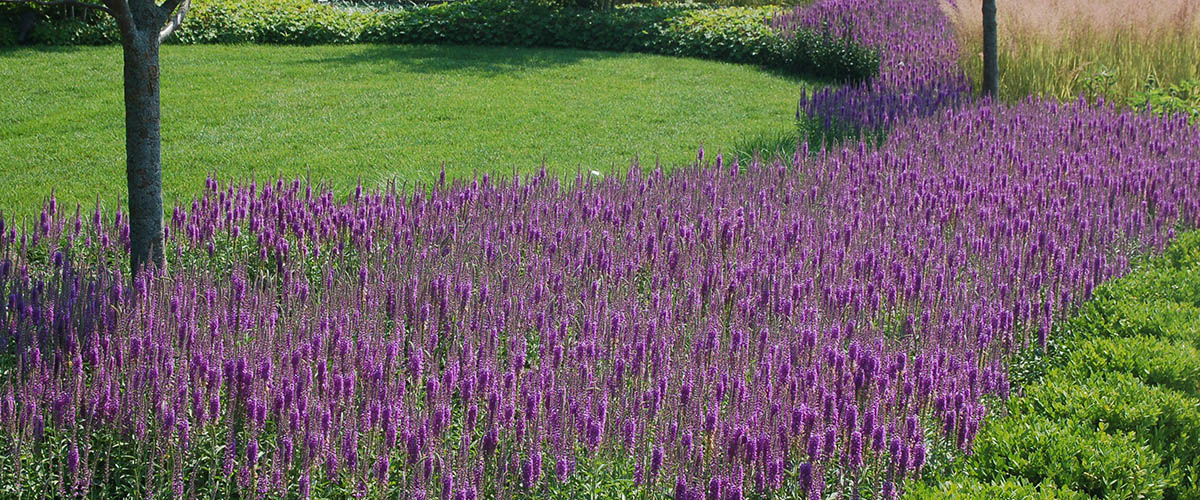
Evaluating Perennials for Chicagoland Gardens
Perennials in Focus is a plant evaluation program that examines new and underused plants for Chicagoland, the third largest metropolitan area in the country. A group of horticultural experts trials and evaluates plants at numerous locations across the region. Results help consumers, public gardens, growers, landscape designers, breeders, and other industry professionals make informed plant choices.
Fragrant Foliage Perennials For Sensory Gardens
A sensory garden becomes more engaging when scent comes from leaves as well as flowers. Brushing past a plant, pinching a leaf between your fingers or warming foliage in the afternoon sun can release aromas ranging from mint and anise to resin, citrus and camphor. Nepeta and Agastache are familiar examples, yet many other perennial plants can create the same layered experience.
For Australian gardeners, fragrant foliage offers practical value as well as sensory appeal. Scented leaves often belong to plants that tolerate sun, lean soils or periods of dryness, although performance varies between a cool Melbourne garden, a humid Brisbane courtyard and a hot Adelaide or Perth verge. Choosing plants by climate, soil and intended use is more reliable than selecting by fragrance alone.
The Perennials in Focus programme evaluates plants across multiple gardens and seasons in the Chicagoland region, recording details such as flowering time, plant height, spread and colour. Those observations provide a useful model for Australian gardeners: assess each plant in real conditions, then record how it behaves over time rather than relying only on a catalogue description.
| Perennial | Foliage fragrance | Sensory garden role | Australian growing note |
|---|---|---|---|
| Nepeta | Minty, camphor-like | Path edges and brushing borders | Best in sun and free-draining soil |
| Agastache | Anise, liquorice or mint | Upright colour and pollinator planting | Excellent in dry-summer areas with drainage |
| Pycnanthemum | Strong mint | Dense summer foliage and habitat value | Suited to temperate gardens; avoid waterlogged soil |
| Monarda | Minty, herbal | Bold clumps for touch and scent | Needs airflow in humid districts |
| Lavender | Resinous, floral and herbal | Low hedges, edging and warm pathways | Particularly useful in Mediterranean climates |
| Artemisia | Camphor, sage or resin | Silver contrast and tactile texture | Handles heat and low water once established |
Scent Beyond The Flower
Fragrant foliage is released through tiny oil glands in the leaves and stems. Agastache can smell sweetly of anise or liquorice when rubbed, while Nepeta usually gives a cool, minty scent. Pycnanthemum, often called mountain mint, offers a stronger herbal aroma and forms useful upright clumps for the middle of a border.
Monarda combines aromatic leaves with showy flowers, bringing texture, scent and seasonal colour to the same planting. It prefers consistent moisture and good air circulation, especially where summers are humid. In a sensory bed, place it where visitors can reach the foliage without compressing the crown or creating a muddy path.
Lavender and Artemisia broaden the palette with resinous, sage-like and camphor notes. Their grey or silver leaves catch the light and create a visual cue that invites touch. Some Artemisia species can spread or become untidy, so trialling plant width and pruning response matters when space is limited.
Plants Worth Comparing
Nepeta is a dependable edging plant with soft foliage, long flowering and a relaxed habit. Cultivars differ considerably in height and spread, making measurements important for narrow paths. In Australia, it generally suits sunny, well-drained sites, though plants in very hot districts may appreciate protection from harsh western sun while establishing.
Agastache gives a more vertical effect, with aromatic leaves and flower spikes that attract bees and other beneficial insects. It performs best where winter drainage is sharp. In areas with wet summers, raised beds, gravelly soil and careful irrigation can make the difference between a durable clump and a short-lived plant.
Other candidates deserve attention in regional trials. Lemon balm has a pleasant citrus-mint scent but can spread quickly in moist soil, while scented geraniums offer varied fragrances but may need frost protection in colder districts. Rosemary is technically a woody perennial rather than a soft herbaceous perennial, yet its evergreen leaves make it valuable for year-round sensory structure.
The same plant can occupy different roles in different markets. A specialist nursery may offer named Agastache cultivars, while a suburban garden centre is more likely to stock lavender, rosemary, catmint and lemon balm. Checking mature dimensions and plant tags is especially important when buying through online Australian nurseries, where a small pot can conceal a vigorous eventual spread.
Designing A Garden For Touch
Place scented plants beside paths, steps and seating rather than in an inaccessible rear border. A low Nepeta edge can brush against ankles, while Agastache and lavender can sit just behind it to create a layered planting. Keep thorny or irritating plants away from narrow circulation routes and children’s play spaces.
Scent is strongest when foliage is warm and dry, so a north- or west-facing position may produce a richer afternoon experience in a cool climate. In much of Australia, however, intense summer heat can scorch leaves or increase water stress. A morning-sun position can be more comfortable in Sydney’s western suburbs, while a shaded afternoon site may help in inland or northern districts.
Use contrasting textures to make the planting feel intentional. Fine lavender leaves beside broad Monarda foliage, silver Artemisia beside green Agastache, or upright spikes rising through a low Nepeta mat will provide visual rhythm. Allow enough space for air movement and maintenance access, particularly in Melbourne gardens where winter moisture can linger around dense crowns.
Scent can also be connected to sound and movement. Ornamental grasses may rustle beside aromatic plants, while seedheads provide winter structure for birds. For seasonal cutting, foliage plants can support flower arrangements even before their own blooms open; gardeners interested in bringing stems indoors can review these cut-flower trial notes when planning a productive sensory plot.
Matching Plants To Australian Conditions
Climate is the first filter. In Adelaide and Perth, lavender, rosemary, Agastache and many Artemisia cultivars can suit waterwise borders if drainage is excellent. In Melbourne and Canberra, winter wet and frost require attention to crown health. Sydney gardeners may need to balance summer heat with humidity, while Brisbane growers should be cautious with plants that dislike warm, damp conditions.
Soil preparation should reflect the plant rather than a generic recipe. Mediterranean perennials prefer open, gritty soil and restrained feeding; rich, wet soil can produce soft growth with weaker fragrance and poorer longevity. Moisture-loving Monarda and lemon balm need more regular water, yet they still benefit from compost that improves structure without turning the bed into a saturated basin.
Australian gardeners often describe a good low-water plant as “tough as old boots”, but toughness depends on establishment. Water deeply during the first growing season, mulch without burying crowns and reduce irrigation gradually. In bushfire-prone areas, avoid creating dense, dry vegetation against buildings and follow local planting and clearance guidance.
Local availability changes with the season. A nursery in regional Victoria may focus on frost-tolerant stock, while a Brisbane supplier may carry subtropical alternatives that would fail in a Chicagoland-style winter. Treat regional trial information as a starting point, then compare it with advice from nearby botanic gardens, growers and independent nurseries.
Recording Fragrance And Performance
A useful evaluation records more than whether a plant “smells good”. Note the fragrance character, strength, time of day, weather, leaf age and whether scent is released by touch or simply carried on the air. Two people may describe the same plant differently, so use familiar reference points such as mint, liquorice, lemon, eucalyptus or cut grass.
Record flowering period, mature height, spread, winter survival, pest pressure and recovery after pruning. Photographs taken from the same position each month can reveal whether a plant remains compact or gradually flops into a path. These details help home gardeners and professionals choose plants that fit a real site rather than an idealised label.
Keep separate notes for different Australian regions. A perennial that survives a dry summer in Ballarat may struggle in Darwin, while a vigorous plant in Brisbane may remain restrained in a cool Tasmanian garden. Recording rainfall, irrigation, soil type and exposure will make comparisons more meaningful across seasons.
A sensory garden succeeds when fragrance is easy to encounter, maintenance is realistic and plants remain healthy enough to invite interaction. Select a small group of aromatic perennials, position them along daily routes and monitor their performance through a full year. Use those observations to refine future plantings, support better nursery choices and build a garden that rewards both casual passers-by and keen plant enthusiasts.
In the Garden
Evaluator gardens are located across the Chicagoland area, representing a range of growing conditions. Visit our retail and wholesale partners to find trialled perennials for your own garden.
Retail & Wholesale: Hinsdale Nurseries (Willowbrook, IL), Mariani Nurseries (Kenosha, WI & Garden Prairie, IL), Northwind Perennials (Burlington, WI), The Growing Place (Aurora, IL).
Wholesale Only: Hinsdale Nurseries (Plano, IL), Intrinsic Perennial Gardens (Hebron, IL).
Our Evaluation Program
The 2017–2020 evaluation cycle included Agastache 'Blue Boa', Allium senescens 'Blue Eddy', Amsonia ciliata var. filifolia 'Georgia Pancake', Astilbe 'Chocolate Shogun', Boltonia astroides 'James Crocket', Brunnera 'Alexander's Great', and Geranium cinereum 'Jolly Jewel Purple'. Completed evaluations include Amsonia 'Blue Ice' (2004–07).
On April 10, 2020, the program published snapshot profiles for Vernonia lettermanii 'Iron Butterfly', Stokesia laevis 'Elf', Stachys officinalis 'Pink Cotton Candy', Lobelia 'Monet Moment', Helleborus 'Winter Thrillers', Geum 'Mai Tai', Geranium soboliferum 'Butterfly Kisses', Gentiana x intermedia 'True Blue', Eurybia divaricata, Asparagus 'Purple Passion', and Agastache 'Bolero'.
Browse the full collection of snapshots organized alphabetically — from A–D, E–H, I–Q, and R–Z — to find detailed performance data on perennials trialled across Chicagoland.