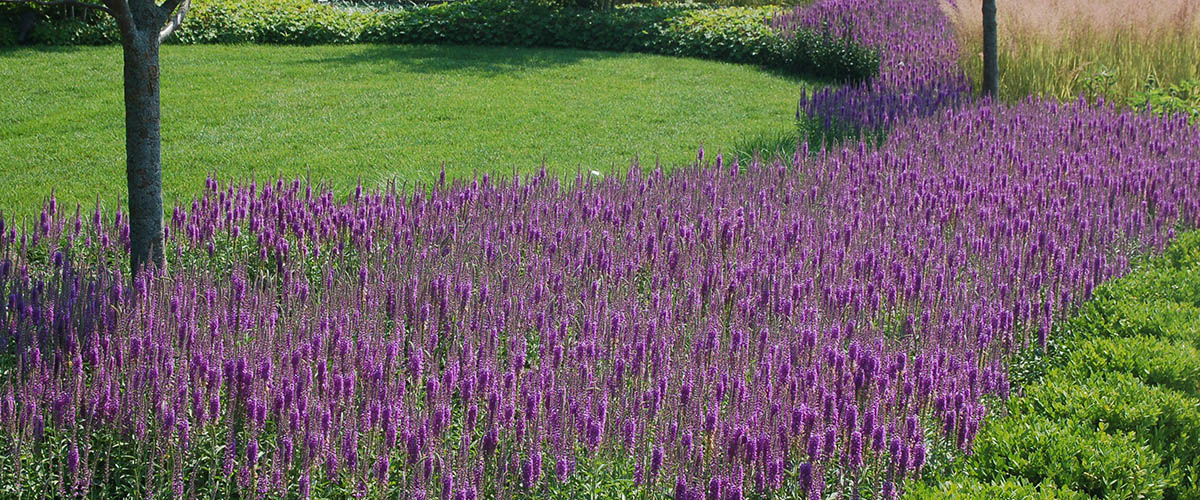
Evaluating Perennials for Chicagoland Gardens
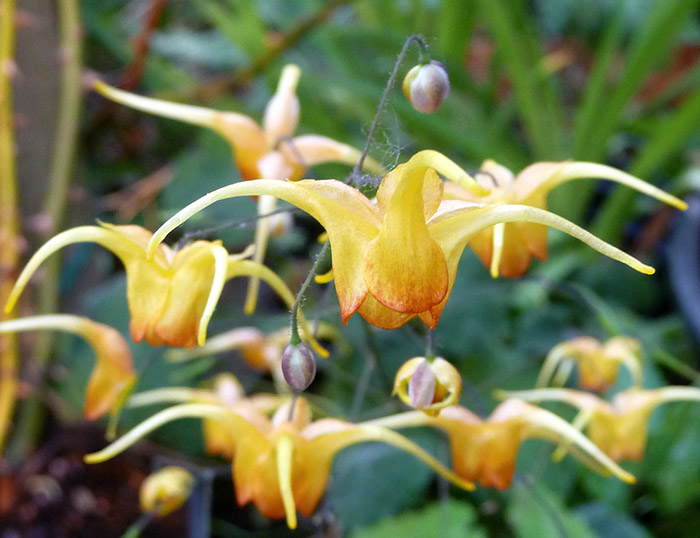
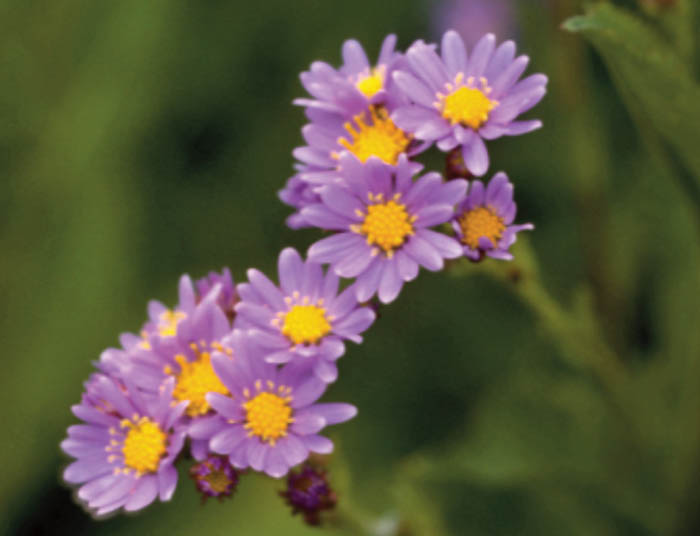
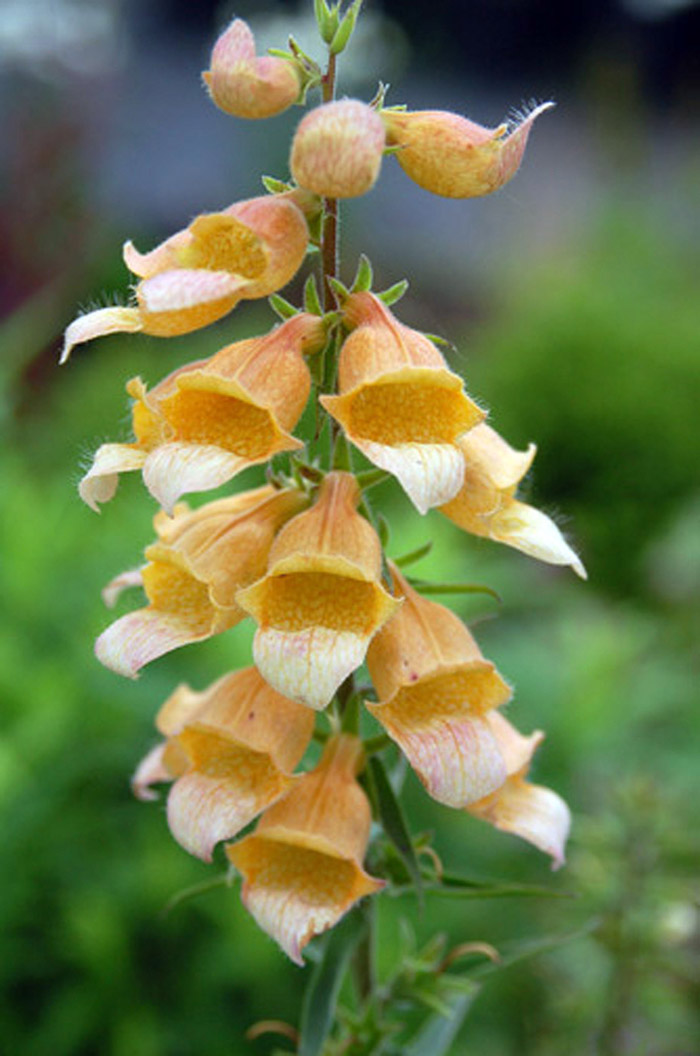
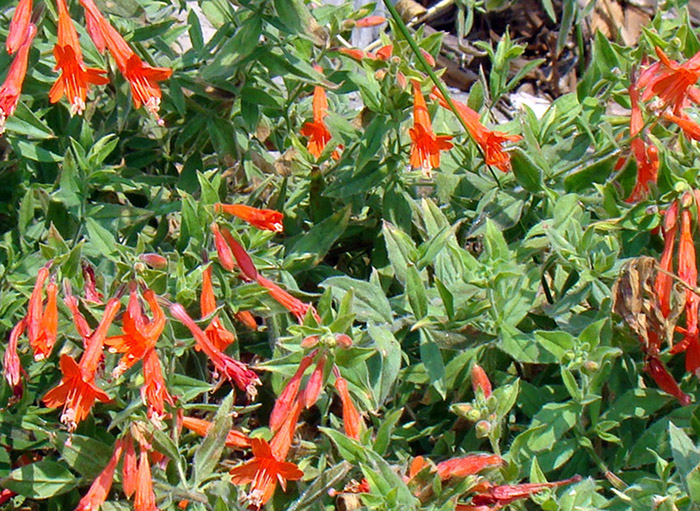
Perennials in Focus is a plant evaluation program that examines new and underused plants for Chicagoland, the third largest metropolitan area in the country. A group of horticultural experts trials and evaluates plants at numerous locations across the region. Results help consumers, public gardens, growers, landscape designers, breeders, and other industry professionals make informed plant choices.
Pairing Perennials With Spring Bulbs for Longer Garden Colour
Across Australia, gardeners often notice a familiar lull. Spring-flowering bulbs put on a brief, brilliant show, then the border settles into green just as the weather warms and outdoor living peaks. The good news is that a thoughtful mix of perennials and bulbs can stretch colour from late winter right through to the first hints of summer, even in compact suburban courtyards from Perth to Hobart.
The trick lies in planning for overlapping bloom windows rather than isolated flushes. By choosing perennials that emerge, leaf out, or flower as bulbs fade, you create a layered display where one plant picks up exactly where another leaves off. This approach works in every Australian climate zone, though the timing and species will shift depending on whether you garden in tropical Cairns, temperate Melbourne, or Mediterranean Adelaide.
Understanding the seasonal gap
In the Southern Hemisphere, spring bulbs typically flower between August and November, with the exact window driven by local chill hours and autumn planting dates. Tulips, daffodils, hyacinths, and Dutch irises are usually past their best by mid-November in most regions. Many Australian gardens then face a five- to six-week gap before summer perennials such as salvias, rudbeckias, or gaura hit their stride.
Filling that gap requires perennials that either bloom in late spring or unfurl fresh, contrasting foliage just as bulb leaves go yellow. Geranium 'Rozanne', for example, starts trailing over bulb foliage in October in cooler areas like Ballarat, while in Brisbane it may already be in bloom by September. Selecting plants with different emergence times allows the bulb foliage to ripen naturally while the perennial takes over the visual space.
Selecting bulbs for Australian conditions
Not every spring bulb thrives in every Australian postcode. Tulips need a genuine cold winter and are often treated as annuals in warm climates, though species tulips and certain Darwin hybrids perform reliably in Melbourne, Canberra, and parts of Adelaide. Daffodils, jonquils, and grape hyacinths cope with much milder winters and naturalise well from Sydney through to Tasmania.
Local bulb growers and mail-order suppliers such as Garden Express and the Diggers Club supply varieties proven in Australian soil. It is worth noting that biosecurity import rules into Australia are strict, with many species requiring treatment certificates or grown-on periods before they can be brought in. Choosing locally produced stock sidesteps these complications and supports growers who understand local soil and climate.
Pairing perennials with bulb foliage
The most common mistake is treating bulbs and perennials as separate layers. Instead, think of them as partners sharing the same root zone. Low, mounding perennials such as catmint, hardy geraniums, or creeping phlox can be planted directly over drifts of smaller bulbs. Their roots occupy the upper soil while bulbs reach deeper, and their emerging leaves disguise the untidy ripening bulb foliage.
Taller partners work too. Peonies, for instance, push through just as late daffodils finish, their dark red new growth hiding yellowing bulb leaves. In warmer areas where peonies struggle, consider Salvia 'May Night' or Penstemon 'Garnet' as alternatives that take on the baton in mid-spring. The key is matching vigour: a slow perennial will be swamped by enthusiastic bulb foliage, while a thuggish spreader will smother smaller bulbs entirely.
Design principles for layered plantings
A successful combination considers height, colour, and texture rather than relying on a single showy moment. Place the shortest bulbs at the front of a border with perennials of similar height behind them, graduating to taller partners further back. Repeat groupings of three to five bulbs across a bed, threading perennials between them so the eye moves through the planting rather than stopping at one block.
Colour also matters. Cool blues and purples from bulbs like Dutch irises and grape hyacinths read beautifully next to the warm yellows and apricots of emerging perennial foliage, such as the new leaves of Heuchera 'Caramel' or the golden grass Carex 'Bowles Golden'. In a typical Adelaide front garden facing north, this combination holds its own against bright sunlight, while in a shaded Hobart courtyard the same plants soften low light without disappearing.
Planting depths and soil preparation
Bulbs and perennials have different planting depths, so preparation matters more than usual. Most Dutch bulbs sit 10–15 cm deep, while larger Allium varieties may need 20 cm. Perennials are usually planted with their crown at soil level. When combining the two, dig the entire area to the deepest required depth, fork in compost and a handful of slow-release fertiliser, and then position bulbs first before setting perennials above them.
Australian soils vary dramatically, from the heavy clays of Melbourne's eastern suburbs to the sandy profiles common around Perth and the coastal fringe of Sydney. Adding gypsum helps clay, while coir peat or aged compost improves water retention in sand. A 5 cm mulch of coarse bark or straw keeps roots cool as soil temperatures rise in October and November, which is particularly valuable in subtropical gardens where early heat can shorten bulb life.
Care through the year
After flowering, resist the urge to tidy bulb foliage too quickly. Leaves need six weeks to feed the bulb for next year's display. Planting perennials with attractive emerging growth, such as the silver foliage of Artemisia or the fresh green of Alchemilla mollis, disguises this ripening period. By the time you would normally cut bulb leaves back, the perennial has filled the space.
Dividing clumps every three to five years keeps both bulbs and perennials vigorous. Tracking urban heat island bloom timing helps anticipate how inner-city courtyards warm up faster than outer suburbs, which influences when plants break dormancy. In Brisbane, for example, street trees and paving can shift a planting calendar by two to three weeks compared with a leafy Bardon garden, so inner-city beds may need earlier planting of cool-season perennials.
Adapting to climate across Australia
Australia spans tropical, subtropical, temperate, and Mediterranean climates, so there is no single recipe. In Darwin and coastal Queensland, choose heat-tolerant perennials and rely more on evergreen groundcovers than traditional cool-season pairings. Sydney gardeners can manage most classic combinations but should watch humidity levels around bearded iris and late-flowering tulips. Melbourne and Hobart offer the widest palette, while Perth's sandy soils reward perennials with grey or silver foliage that handle both heat and mild winters.
Working with local conditions also means respecting water restrictions during dry summers. Many perennials suited to bulb companions, including Achillea, Echinacea, and Salvia, tolerate extended dry periods once established. Grouping these with bulbs that complete their growth cycle before summer stress hits makes for a resilient, low-input planting that looks good for far longer than bulbs alone.
If you are planning a new border or refreshing an existing one, start by listing the bulbs already in your garden and the months they flower. Then match each with a perennial that picks up the display two to four weeks later. Trial a few combinations in a single bed first, photograph them through the season, and adjust next autumn based on what you see. Subscribe to seasonal updates from local evaluation programs and share your findings with neighbours, garden clubs, or online forums so more Australian gardens can enjoy weeks of continuous colour from the same patch of soil.
In the Garden
Evaluator gardens are located across the Chicagoland area, representing a range of growing conditions. Visit our retail and wholesale partners to find trialled perennials for your own garden.
Retail & Wholesale: Hinsdale Nurseries (Willowbrook, IL), Mariani Nurseries (Kenosha, WI & Garden Prairie, IL), Northwind Perennials (Burlington, WI), The Growing Place (Aurora, IL).
Wholesale Only: Hinsdale Nurseries (Plano, IL), Intrinsic Perennial Gardens (Hebron, IL).
Our Evaluation Program
The 2017–2020 evaluation cycle included Agastache 'Blue Boa', Allium senescens 'Blue Eddy', Amsonia ciliata var. filifolia 'Georgia Pancake', Astilbe 'Chocolate Shogun', Boltonia astroides 'James Crocket', Brunnera 'Alexander's Great', and Geranium cinereum 'Jolly Jewel Purple'. Completed evaluations include Amsonia 'Blue Ice' (2004–07).
On April 10, 2020, the program published snapshot profiles for Vernonia lettermanii 'Iron Butterfly', Stokesia laevis 'Elf', Stachys officinalis 'Pink Cotton Candy', Lobelia 'Monet Moment', Helleborus 'Winter Thrillers', Geum 'Mai Tai', Geranium soboliferum 'Butterfly Kisses', Gentiana x intermedia 'True Blue', Eurybia divaricata, Asparagus 'Purple Passion', and Agastache 'Bolero'.
Browse the full collection of snapshots organized alphabetically — from A–D, E–H, I–Q, and R–Z — to find detailed performance data on perennials trialled across Chicagoland.