Evaluating Perennials for Chicagoland Gardens
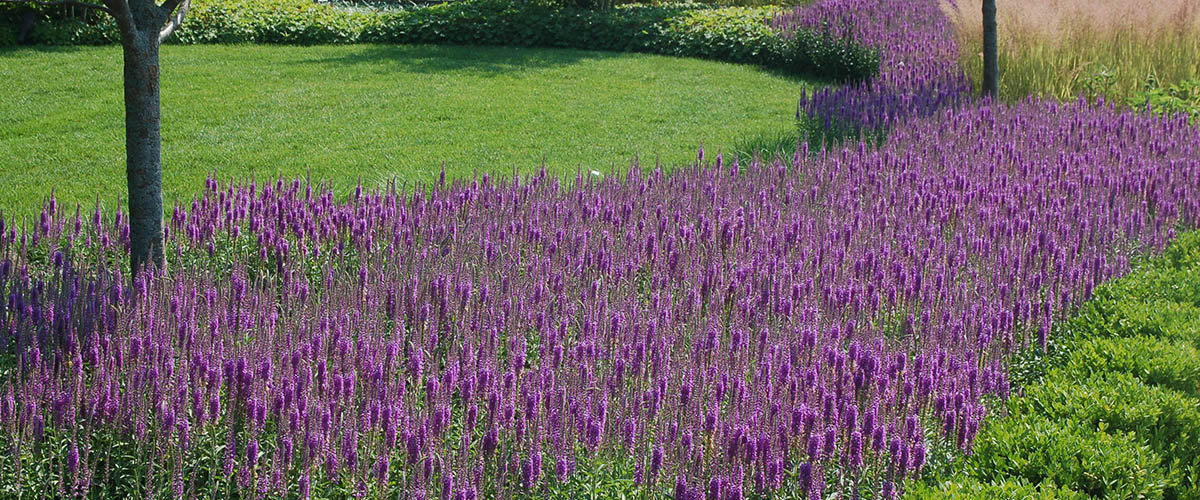
Perennials in Focus is a plant evaluation program that examines new and underused plants for Chicagoland, the third largest metropolitan area in the country. A group of horticultural experts trials and evaluates plants at numerous locations across the region. Results help consumers, public gardens, growers, landscape designers, breeders, and other industry professionals make informed plant choices.
Chelone obliqua and the moisture needs of pond edges
Chelone obliqua, usually sold as white turtlehead, is a clumping perennial with upright stems and white to blush-pink late flowers. Its association with streams and wet woodland explains its pond-plant reputation, but steady growth depends on how constantly the root zone stays moist and how much oxygen remains in the soil. Learn more about 242602 Why A Premium Domain Can Boost Your Startup S Credibility.
Perennials in Focus evaluates new and underused perennials across multiple Chicagoland gardens and seasons, recording bloom period, flower colour, height and spread. For a moisture-sensitive plant such as Chelone obliqua, those observations need an additional variable: how wet the soil became, for how long, and at what depth. Learn more about The Effects Of Late Fall Cutting On The Next Season S Growth Of Echinacea Notes.
A pond edge complicates that measurement. Runoff, shade, reflected heat and changing water levels can produce saturated soil beside a drought-prone bank. The useful question is therefore not simply whether a plant likes wet soil, but which balance of moisture, drainage and temperature produces reliable growth and flowering. Learn more about Testing The Heat Tolerance Of Coreopsis In Urban Heat Islands Checklist.
Australian growers need this distinction because local conditions and terminology vary. A water-wise garden in Perth faces a different challenge from a damp courtyard in Melbourne, while Sydney and Brisbane experience prolonged summer humidity. Clear trial evidence can translate Chicagiland results without pretending every climate behaves the same.
Reading the site before judging the plant
Begin with hydrology rather than the plant label. Note whether the proposed site remains damp, dries between storms or sits in stagnant water, and whether water flows across the bank. Chelone obliqua generally suits moist, aerated soil; continuously submerged crowns and oxygen-poor mud create a different situation.
Soil structure helps explain what will happen. Coarse soil may drain quickly, while heavy clay can hold water but restrict oxygen. Check infiltration after rain, inspect the roots of nearby perennials and take a moisture reading at root-zone depth rather than judging only the surface.
Four moisture regimes provide a practical comparison:
| Planting condition | Likely plant response | Trial measurements | Management response |
|---|---|---|---|
| Moist, oxygen-rich bank | Steady growth, upright stems and reliable flowering | Height, spread, bloom density and scorch | Maintain even moisture; irrigate during dry spells |
| Wet, then dry for extended periods | Strong initial growth followed by wilting or leaf scorch | Recovery after rain, browning and flower count | Add mulch, improve organic matter and schedule irrigation |
| Continuously saturated soil | Weak growth, yellowing and possible crown decline | Stem softness, root condition and survival | Improve drainage or move plants to a higher bank |
| Dry soil under shade | Sparse growth, leaning stems and reduced flowering | Light level, lean and spread | Increase irrigation or choose a wetter, brighter position |
Designing a useful moisture trial
Use replicated planting positions to make the comparison credible. Place several plants from the same nursery lot in each moisture regime, randomise their positions where practical, and keep cultivar, pot size, planting date and initial exposure consistent. A single plant at a pond inlet cannot show whether the site or the species caused the result.
Measure the root zone at regular intervals with a suitable probe or gravimetric samples, and log rainfall and irrigation in millimetres. Record the date, depth and duration of each wetting rather than using only a daily average. Surface dryness can conceal moist soil lower down, particularly in pots and amended clay.
Pair the moisture record with the programme’s standard observations: bloom period, flower colour, height and spread. Add stem count, flowering density, lodging, leaf scorch, crown condition and survival. Several seasons reveal whether a short flush after planting reflects lasting suitability or simply favourable weather.
Translating Chicagiland results for Australian gardens
Chicagoland offers a humid continental baseline: hot, humid summers, cold winters and saturated spring soils. Australian conditions range much further. Melbourne has cool, wet winters and often dry summers; Sydney has humid summers; Perth is dry and Mediterranean; Brisbane combines subtropical growth with intense downpours. A robust result should identify the moisture pattern behind its appearance.
The calendar also changes. A Chicago trial recording late-summer flowering may correspond to late summer in Melbourne, autumn in Sydney and a compressed flowering period in Perth during the hottest part of the year. The programme’s [heat-island testing checklist] for Coreopsis demonstrates a useful principle: pair environmental exposure with consistent growth and bloom measurements, then repeat the comparison across sites.
Australian labels commonly use “full sun”, “part shade” and “moist soil”, and gardeners may call a saturated planting a “bog garden”, although a true bog has specialised peat and water conditions. Irrigation is discussed in litres, rainfall in millimetres and soil moisture as a percentage of available water. Translating those terms into an irrigation frequency helps avoid drought stress and water waste, especially under Perth and Adelaide restrictions.
Shade and runoff require local judgement. Part shade can reduce stress on hot, exposed banks, while a cool, reliably moist position may support more flowers. Apply organic mulch to conserve water, but keep it away from the crown and do not bury the stem base. Use drip irrigation during dry weather and suspend scheduled watering when storms have already recharged the soil.
Turning observations into useful plant information
Publish findings in language buyers can use. A useful label distinguishes consistently moist soil from merely seasonal dampness, names the acceptable light level, and gives expected height and spread without implying that every plant will reach the maximum. Australian nurseries range from wholesale growers and independent perennial specialists to garden centres and online plant retailers, so regional evidence can support both retail tags and landscape specifications.
Digital presentation matters when nurseries, breeders and public gardens share trial results. A clear business identity can reassure customers that the information has a real source, a point developed in [premium domain credibility] for startup brands. Applied to plant publishing, that trust comes from traceable trials, named gardens, consistent records and transparent limits rather than polished sales claims.
Local review is equally important. Before recommending Chelone obliqua beside a natural waterway, check council guidance on stormwater planting, local flora and biosecurity, and avoid implying that an introduced species is native. Where ecological sensitivity is high, a locally native wetland perennial may be the responsible choice even if Chelone performs well in the trial.
Making cultural practices fit the climate
Management decisions can change the apparent moisture preference, so record them alongside soil readings. Perennials in Focus notes on [late-fall cutting notes] show how cutback timing affected the next season’s growth of Echinacea. Chicago’s autumn corresponds to Australia’s spring, and a date copied between hemispheres can leave stems too short when plants are ready to resume growth.
In cool Australian districts, leaving healthy stems through winter can protect the crown and provide structure, followed by cutting back as new growth starts. In warmer areas, remove collapsed material when growth is active. Divide established clumps in cool, moist conditions, keep roots out of hot dry soil, and note every cutback or division beside the moisture record.
Feeding should support the site rather than compensate for it. A soil test can guide compost or nutrient changes, while an excessively rich programme may produce lush stems and weaker flowering. The aim is a durable crown and proportionate growth supported by the correct moisture regime, not maximum height regardless of location.
Start with a moisture-led planting plan
Classify the planting site using the same moisture categories applied in the trial: moist and aerated, wet then dry, continuously saturated, or dry and shaded. Test the soil before purchase, select a nursery label that describes the plant rather than the generic category “pond plant”, and position the first plant where drainage can be checked after substantial rain.
Keep a simple record for each plant, noting irrigation, rainfall, flowering, height, spread and signs of stress across at least two growing seasons. Compare those observations with regional trial results, share the completed record with the nursery or landscape supplier, and move plants when the evidence points to a wetter or better-drained position. Begin with one clearly measured site and let each season add evidence.
In the Garden
Evaluator gardens are located across the Chicagoland area, representing a range of growing conditions. Visit our retail and wholesale partners to find trialled perennials for your own garden.
Retail & Wholesale: Hinsdale Nurseries (Willowbrook, IL), Mariani Nurseries (Kenosha, WI & Garden Prairie, IL), Northwind Perennials (Burlington, WI), The Growing Place (Aurora, IL).
Wholesale Only: Hinsdale Nurseries (Plano, IL), Intrinsic Perennial Gardens (Hebron, IL).
Our Evaluation Program
The 2017–2020 evaluation cycle included Agastache 'Blue Boa', Allium senescens 'Blue Eddy', Amsonia ciliata var. filifolia 'Georgia Pancake', Astilbe 'Chocolate Shogun', Boltonia astroides 'James Crocket', Brunnera 'Alexander's Great', and Geranium cinereum 'Jolly Jewel Purple'. Completed evaluations include Amsonia 'Blue Ice' (2004–07).
On April 10, 2020, the program published snapshot profiles for Vernonia lettermanii 'Iron Butterfly', Stokesia laevis 'Elf', Stachys officinalis 'Pink Cotton Candy', Lobelia 'Monet Moment', Helleborus 'Winter Thrillers', Geum 'Mai Tai', Geranium soboliferum 'Butterfly Kisses', Gentiana x intermedia 'True Blue', Eurybia divaricata, Asparagus 'Purple Passion', and Agastache 'Bolero'.
Browse the full collection of snapshots organized alphabetically — from A–D, E–H, I–Q, and R–Z — to find detailed performance data on perennials trialled across Chicagoland.