Evaluating Perennials for Chicagoland Gardens
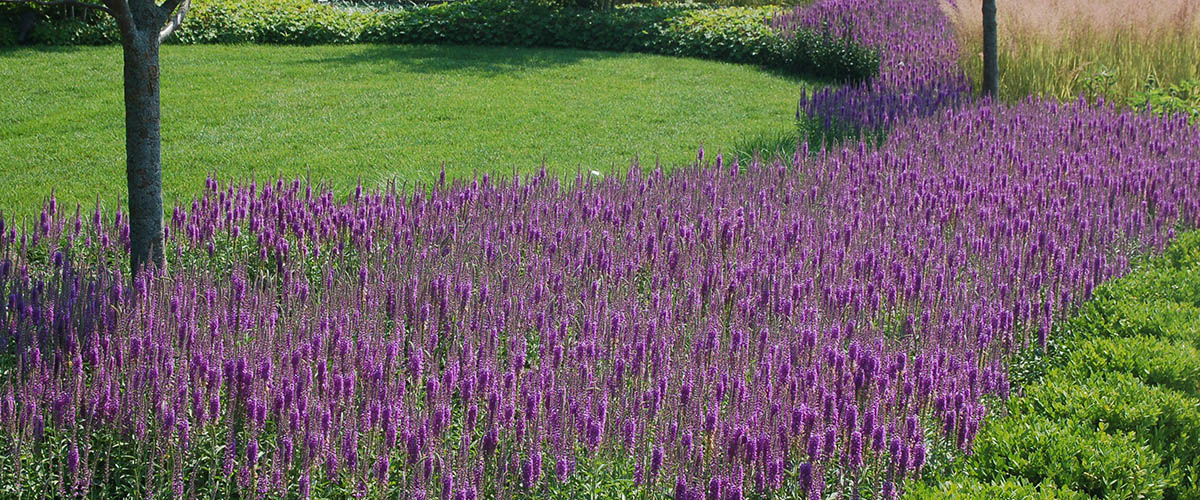
Perennials in Focus is a plant evaluation program that examines new and underused plants for Chicagoland, the third largest metropolitan area in the country. A group of horticultural experts trials and evaluates plants at numerous locations across the region. Results help consumers, public gardens, growers, landscape designers, breeders, and other industry professionals make informed plant choices.
How Late Fall Cutting Shapes Echinacea Growth Next Season
Echinacea is a dependable perennial in Chicagoland gardens, valued for its long summer bloom, sturdy stems, and seedheads that remain attractive well after flowering ends. When autumn arrives, gardeners often wonder whether cutting the plant to the ground will improve its performance or interfere with the growth cycle that begins below the soil.
The answer depends on timing, plant health, site conditions, and the goal of the planting. Removing dormant stems in late fall usually has little direct effect on the following season’s vigor because established Echinacea stores energy in its crown and roots. Cutting too early, however, can reduce the plant’s ability to replenish those reserves and can remove useful winter structure.
Regional observations are especially helpful because a late autumn in the Chicago area may bring alternating warm days, hard freezes, wet soil, and sudden snow. A practice that works in a dry northern garden may produce different results in a heavy, poorly drained site. That is why the Perennials in Focus mission emphasizes repeated evaluation across gardens and seasons.
What Happens After Echinacea Finishes Blooming
Once flowering slows, Echinacea does not immediately stop functioning. Its leaves can remain active into fall, using available sunlight to produce carbohydrates that move into the crown and roots. These stored resources support winter survival, crown maintenance, and the first stages of spring growth.
A late fall cut made after leaves have yellowed or after several hard frosts generally removes tissue that has already completed most of its seasonal work. In a healthy, established plant, this timing is unlikely to reduce the number of shoots or flowers the following year. The plant’s underground structures remain intact, and new growth emerges from dormant buds near the crown.
The situation changes when stems are cut while foliage is still green and productive. Early removal shortens the period of carbohydrate storage and may be more consequential for young divisions, recently transplanted plants, or specimens recovering from drought. The later the cut can reasonably be made, the less likely it is to interfere with natural senescence.
Timing Matters More Than The Cut Itself
For most Chicagoland gardens, the safest window for a hard cleanup is late fall, after repeated frost has browned the foliage and flowering has clearly ended. Some gardeners wait until the stems become brittle or until early winter weather makes the plant’s dormancy obvious. A clean cut several inches above the crown is sufficient; there is no need to disturb the soil or expose the crown.
Cutting at this stage can make spring maintenance easier and reduce the amount of old material that collapses over emerging shoots. It may also help gardeners inspect the planting for weeds, volunteer seedlings, and drainage problems before the new season begins. Sharp, clean pruners are preferable to tearing stems by hand.
Very wet conditions call for restraint. Walking repeatedly through saturated beds can compact soil around the crown and neighboring perennials, creating a greater risk than leaving Echinacea stems standing until a dry day. In exposed sites, standing stems may also catch snow and help protect the crown from rapid temperature changes.
How Fall Cleanup Influences Spring Growth
The most visible effect of late fall cutting is often indirect. A tidy bed warms more evenly in spring, and emerging shoots are easier to see without a layer of flattened stems. This can improve weed control and prevent gardeners from accidentally stepping on new growth. It does not necessarily make Echinacea grow taller or flower earlier.
Leaving stems in place through winter may provide modest protection from wind and temperature fluctuations, particularly for small plants or newly divided crowns. The stems also slow the movement of leaves across the bed and offer perches for birds. Their benefit is usually structural rather than nutritional, since the dead stems do not feed the roots.
There is no universal growth advantage to either method. In a sheltered, well-drained perennial border, late fall cutting is generally neutral to beneficial for maintenance. In a windy site or a planting designed for winter interest, delaying cleanup can be the better choice. The condition of the plant and the character of the garden should guide the decision.
Cut Or Leave: Practical Tradeoffs
| Management choice | Likely spring effect | Main advantages | Points to watch |
|---|---|---|---|
| Cut after hard frost | Little effect on established plants | Clean appearance and easy spring access | Removes winter structure and seedheads |
| Cut while foliage is green | May reduce stored reserves | Fast cleanup and fewer overwintering stems | Less suitable for young or stressed plants |
| Leave stems until spring | Usually supports normal regrowth | Wildlife value, winter texture, added shelter | Can hide weeds and delay bed cleanup |
| Remove only damaged material | Preserves most structure | Balances habitat and appearance | Requires a second cleanup visit |
| Cut in late winter | Usually safe before new shoots expand | Keeps structure through winter | Timing can be difficult during wet weather |
For gardeners growing Echinacea primarily for pollinators and birds, leaving seedheads standing can extend the planting’s value beyond the bloom period. Finches and other birds may use the seeds, while hollow or rough stems add habitat in a mixed perennial border. This approach works especially well when the surrounding plants provide a deliberate winter composition.
A compromise is to remove only diseased, broken, or dangerously leaning stems in fall. The remaining seedheads can stand until late winter, when they are cut back before new shoots emerge. This preserves much of the wildlife and visual benefit without allowing old material to smother spring growth.
Disease, Moisture, And Site Conditions
Fall cutting can be useful when Echinacea has shown persistent leaf spotting, powdery mildew, or other foliar problems. Removing infected debris reduces the amount of material left in the bed where pathogens may survive. Cut stems should be taken out of the planting rather than added to a slow backyard compost pile unless the compost reaches temperatures sufficient to break down diseased tissue.
Good air circulation remains important the following season. Echinacea performs best in full sun and well-drained soil, where foliage dries quickly after rain. A late cleanup cannot correct a crowded planting, excessive irrigation, or compacted soil. If recurring disease is present, spacing and site conditions deserve as much attention as pruning time.
Mulch should be kept away from the crown. A thick, wet layer piled around the base can encourage crown rot during winter and spring thaw. Whether stems are removed in November or left until March, the crown should remain visible and the planting should drain freely.
Fitting Echinacea Into A Year-Round Border
The decision to cut Echinacea is also a design question. Standing seedheads can echo the texture of ornamental grasses, sedges, and other late-season perennials, creating a border that remains composed after frost. Gardeners planning for continuous seasonal interest can use the principles in this guide to design a perennial bed rather than treating fall cleanup as an isolated task.
Echinacea often looks strongest when its upright stems contrast with lower mounds and fine-textured foliage. If neighboring plants collapse early, leaving Echinacea standing may preserve height and rhythm. If the bed is already dense and tangled, cutting it back can clarify paths, reveal evergreen groundcovers, and make spring maintenance more efficient.
Cultivar behavior also matters. Compact selections may disappear beneath snow, while taller forms can remain prominent into winter. Some plants produce abundant seedheads, and others are selected for floral display with less persistent structure. Observing how a particular cultivar performs over several years is more useful than applying a single rule to every Echinacea in the garden.
A Practical Cleanup Routine
- Wait until repeated frosts have ended active growth and most foliage has naturally declined.
- Cut healthy stems near the crown, but avoid scraping or injuring the crown itself.
- Remove diseased foliage and stems from the bed rather than leaving them in place.
- Keep mulch and wet organic debris from accumulating around the plant base.
- Delay cutting when the stems provide valuable winter structure or when the soil is too wet to walk on safely.
The main lesson is simple: late fall cutting is usually a maintenance choice, not a growth stimulant. For established Echinacea, cutting after dormancy has begun should have minimal impact on next year’s height, spread, or bloom. Earlier cutting carries more risk because it interrupts the final stage of seasonal energy storage.
Track bloom time, stem strength, winter survival, and spring emergence in your own garden. Share those observations with local horticultural networks and regional evaluation programs so that plant recommendations continue to reflect real Chicagoland conditions. When cleanup is timed to the plant’s natural cycle and the garden’s purpose, Echinacea can return with strong growth while still supporting a lively, attractive winter landscape.
In the Garden
Evaluator gardens are located across the Chicagoland area, representing a range of growing conditions. Visit our retail and wholesale partners to find trialled perennials for your own garden.
Retail & Wholesale: Hinsdale Nurseries (Willowbrook, IL), Mariani Nurseries (Kenosha, WI & Garden Prairie, IL), Northwind Perennials (Burlington, WI), The Growing Place (Aurora, IL).
Wholesale Only: Hinsdale Nurseries (Plano, IL), Intrinsic Perennial Gardens (Hebron, IL).
Our Evaluation Program
The 2017–2020 evaluation cycle included Agastache 'Blue Boa', Allium senescens 'Blue Eddy', Amsonia ciliata var. filifolia 'Georgia Pancake', Astilbe 'Chocolate Shogun', Boltonia astroides 'James Crocket', Brunnera 'Alexander's Great', and Geranium cinereum 'Jolly Jewel Purple'. Completed evaluations include Amsonia 'Blue Ice' (2004–07).
On April 10, 2020, the program published snapshot profiles for Vernonia lettermanii 'Iron Butterfly', Stokesia laevis 'Elf', Stachys officinalis 'Pink Cotton Candy', Lobelia 'Monet Moment', Helleborus 'Winter Thrillers', Geum 'Mai Tai', Geranium soboliferum 'Butterfly Kisses', Gentiana x intermedia 'True Blue', Eurybia divaricata, Asparagus 'Purple Passion', and Agastache 'Bolero'.
Browse the full collection of snapshots organized alphabetically — from A–D, E–H, I–Q, and R–Z — to find detailed performance data on perennials trialled across Chicagoland.