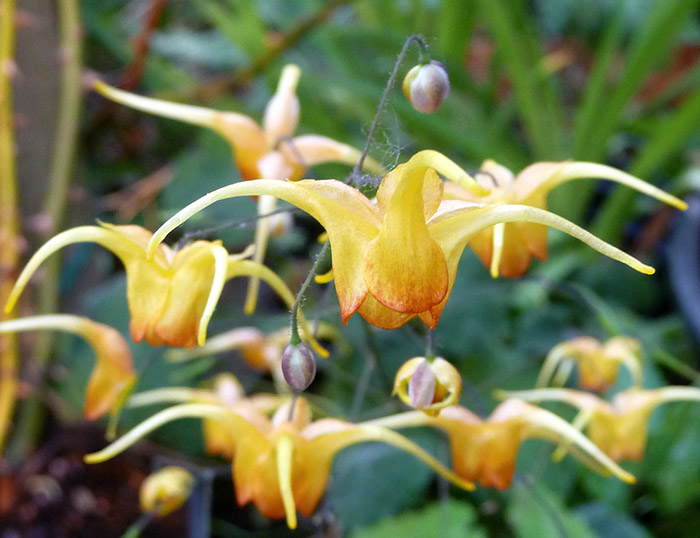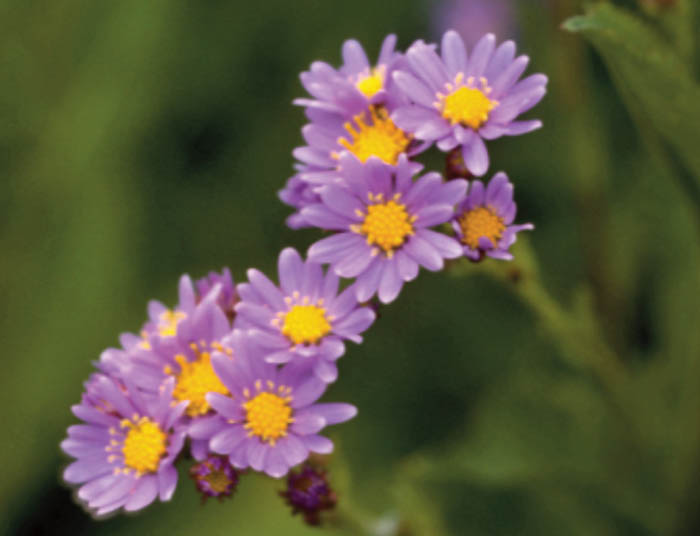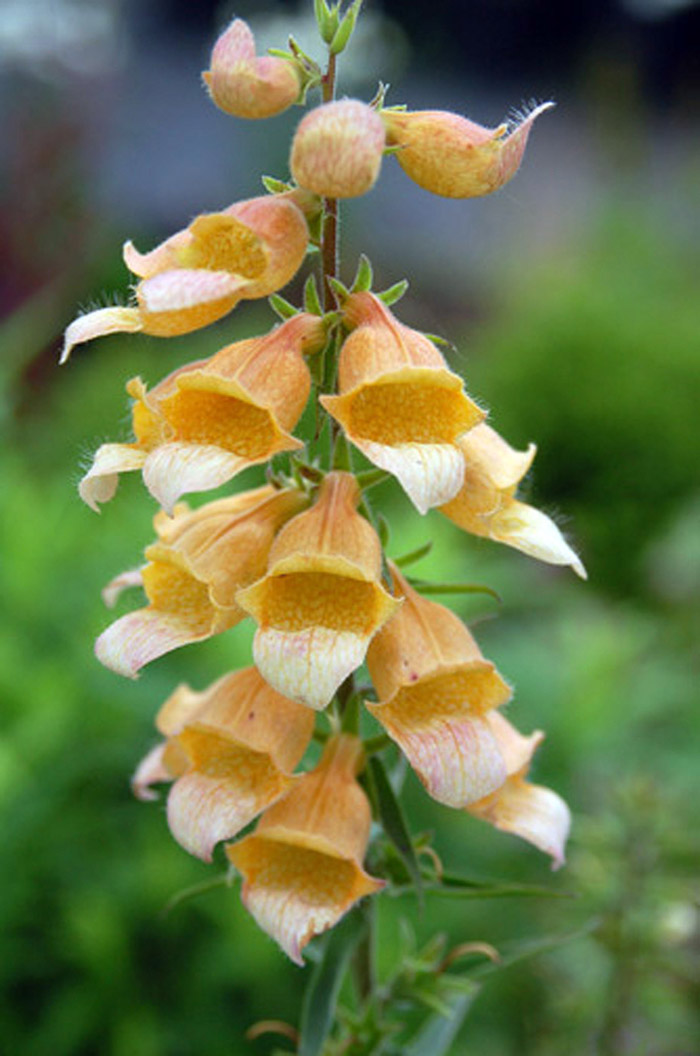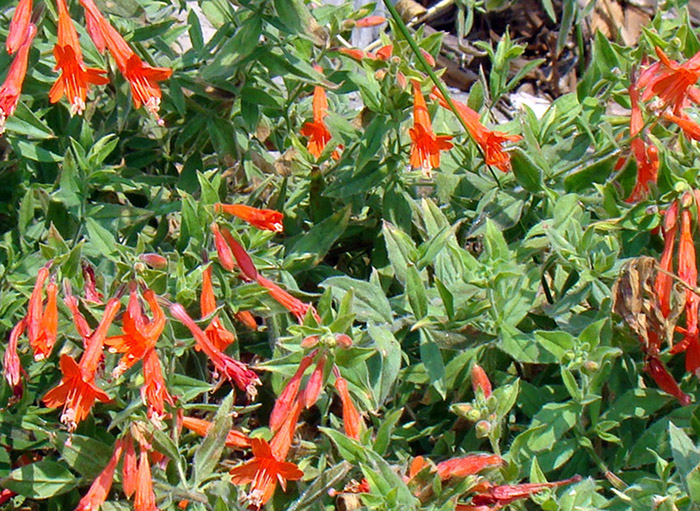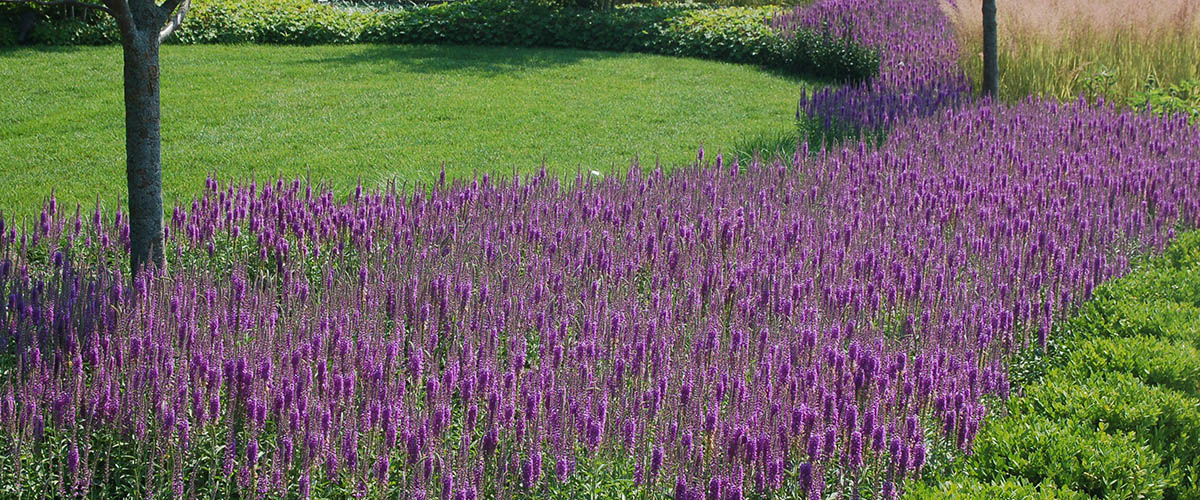
Evaluating Perennials for Chicagoland Gardens
Perennials in Focus is a plant evaluation program that examines new and underused plants for Chicagoland, the third largest metropolitan area in the country. A group of horticultural experts trials and evaluates plants at numerous locations across the region. Results help consumers, public gardens, growers, landscape designers, breeders, and other industry professionals make informed plant choices.
Slug and snail browsing on hosta cultivars in shady beds
Hostas have earned a loyal following among Australian shade gardeners, particularly in the cooler pockets of Tasmania, the Dandenong Ranges, and the leafy suburbs of Melbourne. Their bold sculptural foliage fills the dim corners where sun-loving plants refuse to settle, and their late-summer flower spikes provide a welcome lift when many other perennials are winding down. Yet anyone who has grown hostas through a humid Adelaide Hills summer or a damp Tasmanian winter knows the frustration of waking to a lacework of holes across a once-pristine leaf.
That frustration drives formal evaluation work. By observing which cultivars consistently emerge from the season with their foliage intact, growers can steer fellow gardeners toward resilient choices and away from the ones that simply act as a mollusc buffet. The findings become especially valuable in regions where damp shaded beds, fallen leaf litter, and regular rainfall create ideal conditions for both slugs and the introduced common garden snail to thrive.
Why shaded beds magnify mollusc pressure
Shade is a gift to plants that would otherwise scorch in an Australian summer, but it is also an open invitation to gastropods. Soil stays cooler, evaporation slows, and dew lingers on leaf surfaces well into the morning. In a north-facing courtyard in suburban Sydney, for instance, the afternoon shade cast by a boundary fence keeps soil moisture high even through January, which is precisely the combination slugs and snails seek out.
Gardeners in southern Australia face an additional wrinkle: the seasons run opposite to the northern hemisphere, so the mollusc breeding window lines up neatly with active hosta growth from October through March. Add the widespread presence of the European brown garden snail, an established pest across southern Australia, and the population pressure in any shaded bed with good ground cover can be relentless. The damp mulch that helps hostas retain root moisture also offers daytime shelter for these pests.
How cultivar evaluation trials are run
A useful evaluation tracks more than a single season. Trial beds are typically established in replicated plots across several sites, with at least a dozen cultivars grown side by side under the same soil, light, and watering regime. Damage is scored on a consistent rubric, often weekly during peak mollusc activity, using either percentage leaf area lost or a photographic reference scale.
The most informative trials include both popular commercial varieties and some of the newer or less common cultivars that Australian mail-order nurseries, such as the well-known Diggers Club and Garden Express, sometimes list in small quantities. Recording flower timing alongside foliage condition matters too, and findings often sit neatly alongside research into staggering bloom times so gardeners can plan a full season of interest in a difficult shaded corner.
Cultivar traits that reduce leaf damage
Across multiple evaluation cycles, clear patterns emerge about which hostas hold up best. Cultivars with thick, corrugated, or heavily waxed leaves consistently score lower damage ratings than those with thin, smooth, or pale-green foliage. The classic observation that blue-leaved hostas suffer less than their golden or chartreuse counterparts holds up in trial data, though the reason is more about leaf surface and cuticle thickness than the colour itself.
Equally telling is the performance of cultivars with cupped, upright, or vertically held leaves. When foliage rises off the soil surface, slugs and snails lose easy access to the tender underside and have to travel further across dry surfaces to feed. Gardeners in cooler parts of Victoria often report that varieties such as 'Sum and Substance', 'Halcyon', and 'Big Daddy' emerge from a wet winter with markedly less damage than softer-leaved types like 'Francee' or the beloved 'Patriot'.
Leaf wax, ribbing, and surface texture
The mechanics of resistance deserve a closer look. A waxy bloom on the leaf surface acts almost like a non-stick coating, making it harder for a snail's radula to grip. Ribbing and deep veining create micro-crevices that interrupt the smooth glide a mollusc prefers, while thicker leaves require more feeding effort for the same mouthful of nutrition.
Evaluators have noted that some of the newer tissue-cultured cultivars bred for ornamental variegation have lost some of the tough leaf characteristics of their parent species. A variegated sport with paper-thin leaves may look spectacular on the Bunnings Warehouse shelf but rarely survives its first Australian summer unscathed. Conversely, plain-green species types, including Hosta sieboldiana selections and many of the tardiana group hybrids, tend to outperform their flashier relatives once mollusc numbers build up.
Seasonal patterns of mollusc activity in Australia
Damage in trial plots rarely appears evenly across the year. In southern Australia, the heaviest feeding typically happens from late spring through mid-autumn, peaking after warm rains when humidity rises and soil temperatures sit in the comfortable mid-teens. Winter damage continues in the milder parts of coastal New South Wales, where snails remain active through much of the year, but slows sharply in frost-prone inland areas.
These patterns matter for interpreting trial data. A cultivar that looks ravaged in March may have been untouched in November, and an early assessment can mislead gardeners who expect trouble to look the same in every season. Comparing notes with evaluations of reblooming daylily capacity helps build a fuller picture of how flowering perennials cope with the same seasonal stresses.
Bed microclimate and garden design choices
A shaded bed is not one uniform environment, and trial plots have shown that damage levels can differ markedly within just a few metres. A hosta planted beneath a dense evergreen canopy stays drier on the leaf surface than one beside a dripping tap, and slugs respond accordingly. Air movement matters as much as soil moisture, which is why hostas in open, breezy shade usually outperform those tucked into still corners.
Design choices in an Australian garden can shift the odds. Replacing heavy bark mulch with a coarser gravel topping dries out the surface between waterings and reduces the daytime hiding places snails need. Grouping resistant cultivars together, and avoiding the temptation to plant the most vulnerable specimens nearest to compost bins or dense groundcovers, helps concentrate any remaining damage into a manageable area rather than letting it spread across the whole border.
Practical strategies worth carrying forward
The simplest message from years of evaluation is that no hosta is truly slug-proof, but the gap between the most damaged and the most resistant cultivars is wide enough to plan around. Choosing thicker-leaved blues and greens, planting them in spots with good airflow, and being deliberate about mulch type together remove a large share of the problem before any pellets, beer traps, or iron-based controls come into play.
For gardeners in Hobart, the Adelaide Hills, or any of the other cooler corners of the country, that combination of plant choice and site preparation is usually enough to keep hostas looking respectable through their main growing months. Anyone keen to give one of the tougher cultivars a fair go can use the trial findings as a starting point, then fine-tune the selection based on the specific microclimates of their own patch. Perennials in Focus will keep publishing updated results as new cultivars become available through local suppliers, giving gardeners reliable, region-tested guidance for every shaded corner.
In the Garden
Evaluator gardens are located across the Chicagoland area, representing a range of growing conditions. Visit our retail and wholesale partners to find trialled perennials for your own garden.
Retail & Wholesale: Hinsdale Nurseries (Willowbrook, IL), Mariani Nurseries (Kenosha, WI & Garden Prairie, IL), Northwind Perennials (Burlington, WI), The Growing Place (Aurora, IL).
Wholesale Only: Hinsdale Nurseries (Plano, IL), Intrinsic Perennial Gardens (Hebron, IL).
Our Evaluation Program
The 2017–2020 evaluation cycle included Agastache 'Blue Boa', Allium senescens 'Blue Eddy', Amsonia ciliata var. filifolia 'Georgia Pancake', Astilbe 'Chocolate Shogun', Boltonia astroides 'James Crocket', Brunnera 'Alexander's Great', and Geranium cinereum 'Jolly Jewel Purple'. Completed evaluations include Amsonia 'Blue Ice' (2004–07).
On April 10, 2020, the program published snapshot profiles for Vernonia lettermanii 'Iron Butterfly', Stokesia laevis 'Elf', Stachys officinalis 'Pink Cotton Candy', Lobelia 'Monet Moment', Helleborus 'Winter Thrillers', Geum 'Mai Tai', Geranium soboliferum 'Butterfly Kisses', Gentiana x intermedia 'True Blue', Eurybia divaricata, Asparagus 'Purple Passion', and Agastache 'Bolero'.
Browse the full collection of snapshots organized alphabetically — from A–D, E–H, I–Q, and R–Z — to find detailed performance data on perennials trialled across Chicagoland.