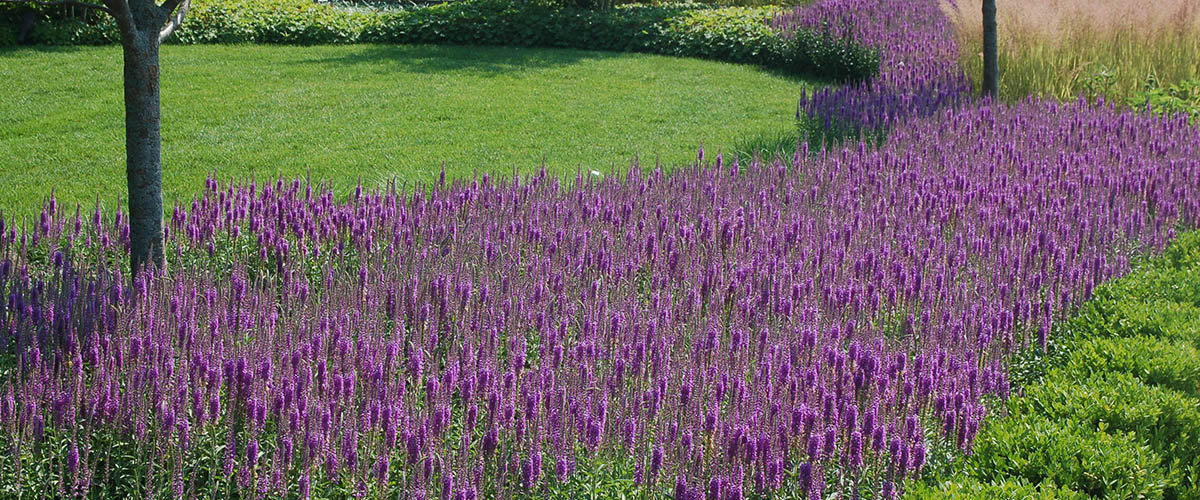
Evaluating Perennials for Chicagoland Gardens
Perennials in Focus is a plant evaluation program that examines new and underused plants for Chicagoland, the third largest metropolitan area in the country. A group of horticultural experts trials and evaluates plants at numerous locations across the region. Results help consumers, public gardens, growers, landscape designers, breeders, and other industry professionals make informed plant choices.
Edible perennials for Australian gardens
Gardeners searching for the best perennials for edible landscaping with culinary uses like Monarda and Echinacea need more than a flower list. A useful plant returns each year, supplies a harvest and fits local soil and seasons. Perennials in Focus evaluates plants across Chicagoland gardens, recording bloom period, flower colour, height and spread; the evidence can sharpen choices without pretending one climate fits every garden.
Australian conditions change the equation. Melbourne has cool, changeable springs and wet winters; Sydney and Brisbane bring humid summers; Adelaide and Perth face heat, drought and intense sun. A perennial that thrives in a Chicago trial may need shade, extra water or a container in an Australian suburb.
At Australian garden centres and specialist nurseries, cooler-season plugs of Monarda and Echinacea may be easier to find than tropical-adapted plants. Check botanical names and confirm each plant’s intended edible or herbal use, then build a border that supplies herbs, flowers and pollinator nectar.
Match plants to climate and soil
Full sun and free drainage are the first filters. Monarda didyma, or bee balm, performs well in a sunny, sheltered Melbourne bed with root-zone moisture. In Sydney and Brisbane, raise the planting area, space plants for airflow and avoid wetting foliage at night. Echinacea purpurea, or coneflower, handles open sun and short dry spells once established, but its crown should never sit in saturated soil.
A soil test saves guesswork. pH affects nutrient availability, growth and flowering, so do not add lime or heavy manure simply because a plant is called hardy. Use local soil-test results and a site trial rather than importing Chicago conditions wholesale.
Where dry summers make irrigation important, a low-pressure Ecoflex system may help deliver water along a planting row. Mulch reduces evaporation, and a hose or drip line at the root zone is better than frequent shallow sprinkling. Containers suit balconies, rented soil and reflected heat.
Grow Monarda for flavour and pollinators
Monarda brings a bergamot scent and citrus-oregano flavour to the edible garden. Young leaves can be bruised into tea, chopped into salads or used as garnish; open flowers suit salads, desserts and herb butter. Pick clean leaves in the morning, remove the tough green flower base, and taste first, because the flavour is distinctive rather than sweet.
The plant forms a clump of square stems and may reach 60–90 centimetres. Trim it after flowering for a tidy clump, or divide established plants every few years. Melbourne’s sheltered sun often gives reliable returns; in Sydney or Brisbane, airflow and a container can help through wet summers. Remove diseased foliage instead of composting it.
Monarda’s tubular blooms feed bees and butterflies, while its aromatic foliage adds scent and texture. For a model of extending nectar across many weeks, the guide to season-long butterfly planting is useful, but translate its sequence to the Australian calendar and choose local plants that bloom when insects need them. Keep pesticides away and leave healthy stems for habitat.
Use Echinacea with culinary care
Echinacea needs more explanation than a typical kitchen herb. Echinacea purpurea, or purple coneflower, is cultivated for its petals, leaves and roots; petals may decorate salads, while roots and aerial parts appear in traditional herbal infusions. Conflower tea is not automatically a medicinal treatment, and evidence for treating illness varies, so culinary use should not be confused with a clinical claim.
Purple coneflower prefers full sun, average fertility and freely draining soil. Perennials in Focus’s alkaline soil evaluation records how alkaline conditions affected a perennial in Chicago, reinforcing the need to observe how local soil and rainfall affect a different plant. In heavy clay, create a raised area rather than creating a wet ring around the crown.
Harvest only confidently identified plants from a reputable nursery, confirm the species and edible part, and avoid roadsides and persistent sprays. Wash petals and leaves, dry stored material thoroughly, and take roots only from a healthy mature clump you can divide. Anyone with allergies, pregnancy or medication needs should seek qualified advice before using concentrated herbal preparations.
Build a productive mixed border
A mixed border balances Monarda and Echinacea rather than isolating them in a formal herb bed. Put tall flowering perennials at the back, medium anise hyssop or catmint through the middle, and chives or salad burnet along the edge. Repeated groups create rhythm, while open spacing supports airflow and harvesting.
| Perennial | Main harvest | Culinary character | Australian growing note |
|---|---|---|---|
| Monarda didyma | Leaves and flowers | Citrus-oregano flavour for tea, salads and garnish | Sunny, moist, well-drained soil; protect from humid summers |
| Echinacea purpurea | Petals; roots and leaves in herbal preparations | Aromatic petals; herbal infusion rather than vegetable use | Full sun and sharp drainage around the crown |
| Anise hyssop (Agastache foeniculum) | Leaves and flowers | Sweet anise flavour for tea and salads | Cooler, well-drained sites; avoid hot, wet districts |
| Catmint (Nepeta x faassenii) | Leaves | Minty flavour for soups, sauces and drinks | Sunny, dry border; drought tolerant once established |
| Chives (Allium schoenoprasum) | Leaves and flowers | Onion flavour for salads, eggs and garnishes | Sun or light shade; may die back in severe heat |
| Salad burnet (Poterium sanguisorba) | Leaves | Lemony freshness for salads | Moist, drained soil; remove flowers to limit spread |
This layering staggers the work: anise hyssop and catmint supply aromatic leaves, coneflower petals decorate a plate, and salad burnet adds a lemony green edge. Label each group when species have similar names, and harvest small amounts regularly so the border remains productive.
For an Australian accent, add nursery-propagated lemon myrtle or finger lime where climate and space allow. They are woody plants rather than border perennials, but their leaves or fruit broaden the design. Australian bush-food nurseries and garden centres can supply suitable stock; never collect edible plants from the wild without permission and reliable identification.
Choose plants that earn repeated harvests
Monarda and Echinacea offer memorable flowers, but an edible landscape also needs dependable herbs. Catmint suits a sunny border, chives reward regular cutting, and salad burnet provides a lemony leaf when salad greens are scarce. Rosemary and thyme can fill this role in Adelaide and Perth when drainage and sun suit them.
Australia’s planting calendar differs from Chicago’s. In cooler districts, plant or divide many perennials in autumn or early spring; warmer areas often benefit from a cooler, drier window rather than a mid-summer planting. Local garden-centre staff can advise on humidity and heat, while specialist herb growers may offer Australian-selected stock.
Treat the border as a living kitchen garden, not a chemical-free promise. Compost healthy growth, water according to soil moisture, and watch for aphids, caterpillars and fungal disease. A survivor without a useful harvest may still provide pollinator habitat, but a productive plant should earn its space with flavour, flowers or reliable cover.
Trial plants, then harvest with confidence
The Perennials in Focus method is easy to adapt: grow a few candidates in more than one representative garden, record flowering dates, colour, height, spread, survival and harvest quality, and compare results over several seasons. At home, three plants of each candidate provide a baseline. Note rainfall, irrigation, soil changes, heat waves and picking dates.
Choose nursery-propagated plants with a botanical name, ask about treatments, and keep food plants separate from ornamentals that may carry different sprays. Test a Monarda leaf or Echinacea petal before making it a regular ingredient, and use only the part known to be suitable for consumption. This checking protects the gardener and the crop.
Plant a trial group at the next suitable planting window, add a few edible-flower options, and keep a harvest log beside your observations. Harvest with clean scissors, leave enough foliage to regrow, and let each season determine the next order. Start with three plants and let your own Australian garden decide which deserve a permanent place.
In the Garden
Evaluator gardens are located across the Chicagoland area, representing a range of growing conditions. Visit our retail and wholesale partners to find trialled perennials for your own garden.
Retail & Wholesale: Hinsdale Nurseries (Willowbrook, IL), Mariani Nurseries (Kenosha, WI & Garden Prairie, IL), Northwind Perennials (Burlington, WI), The Growing Place (Aurora, IL).
Wholesale Only: Hinsdale Nurseries (Plano, IL), Intrinsic Perennial Gardens (Hebron, IL).
Our Evaluation Program
The 2017–2020 evaluation cycle included Agastache 'Blue Boa', Allium senescens 'Blue Eddy', Amsonia ciliata var. filifolia 'Georgia Pancake', Astilbe 'Chocolate Shogun', Boltonia astroides 'James Crocket', Brunnera 'Alexander's Great', and Geranium cinereum 'Jolly Jewel Purple'. Completed evaluations include Amsonia 'Blue Ice' (2004–07).
On April 10, 2020, the program published snapshot profiles for Vernonia lettermanii 'Iron Butterfly', Stokesia laevis 'Elf', Stachys officinalis 'Pink Cotton Candy', Lobelia 'Monet Moment', Helleborus 'Winter Thrillers', Geum 'Mai Tai', Geranium soboliferum 'Butterfly Kisses', Gentiana x intermedia 'True Blue', Eurybia divaricata, Asparagus 'Purple Passion', and Agastache 'Bolero'.
Browse the full collection of snapshots organized alphabetically — from A–D, E–H, I–Q, and R–Z — to find detailed performance data on perennials trialled across Chicagoland.