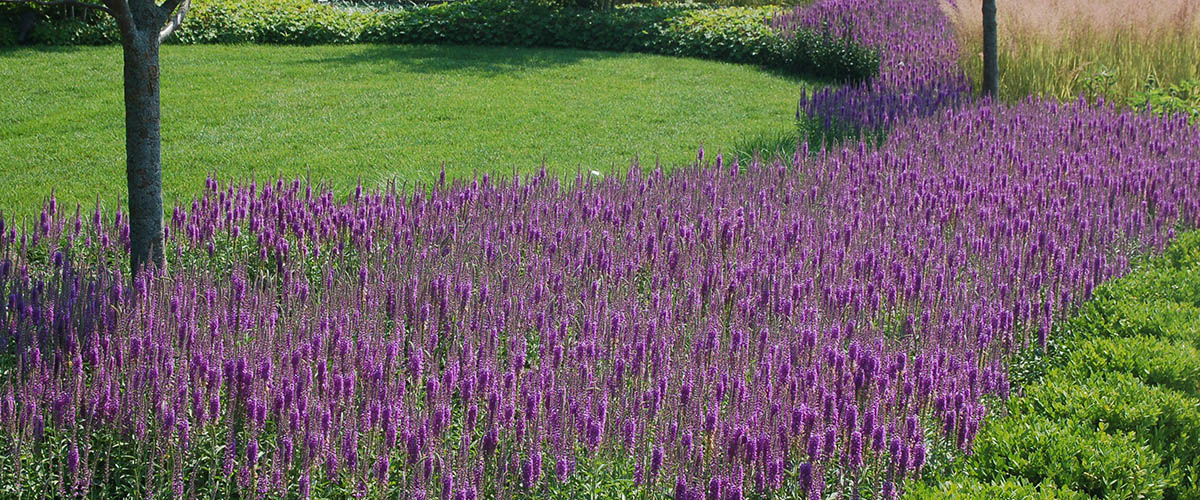
Evaluating Perennials for Chicagoland Gardens
Perennials in Focus is a plant evaluation program that examines new and underused plants for Chicagoland, the third largest metropolitan area in the country. A group of horticultural experts trials and evaluates plants at numerous locations across the region. Results help consumers, public gardens, growers, landscape designers, breeders, and other industry professionals make informed plant choices.
Butterfly-Friendly Perennials For Every Season In Cook County
A garden in Cook County can support butterflies from the first warm days of spring until frost, provided its planting plan offers a steady succession of nectar and host plants. The most effective landscape is rarely built around one spectacular bloomer. Instead, it combines early flowers, summer abundance, late-season resources, shelter, and foliage that caterpillars can eat.
Perennials that attract butterflies through the entire season in Cook County must also handle local growing conditions. Clay soil, hot urban sites, winter moisture, lake-influenced weather, and periods of drought can all affect performance. Plants that thrive in one Chicago-area garden may struggle in another, so regional trial information is especially useful.
A strong butterfly border can be colorful and ornamental while still serving several life stages. Flowering plants feed adult butterflies, host plants support developing caterpillars, and dense stems or leaf litter provide places for insects to shelter. Choosing proven performers helps gardeners create habitat without sacrificing reliability.
Start With Early Nectar Sources
Spring butterflies often appear before the perennial border reaches full growth. Mourning cloaks may be active on warm afternoons, while eastern commas, spring azures, and red admirals seek early nectar. Since relatively few plants are blooming at this time, even a small group of dependable spring flowers can make a meaningful difference.
Pasque flower, prairie smoke, and woodland phlox can provide early color in suitable locations. Wild columbine is especially valuable for gardens with part shade, while golden Alexander supports early-season pollinators and serves as a host plant for black swallowtail caterpillars. Woodland species usually prefer consistent moisture and filtered light, whereas prairie plants need sharper drainage and more sun.
Spring cleanup should be restrained in butterfly areas. Some adult insects overwinter in fallen leaves, hollow stems, or protected plant debris. Leaving selected stems standing until temperatures remain consistently mild gives both butterflies and other beneficial insects a better chance to emerge.
Build A Summer Nectar Wave
Summer is the peak feeding period for many butterflies in Cook County. Coneflowers, bee balm, mountain mint, blazing star, catmint, and coreopsis can provide abundant nectar while creating a layered display of different flower shapes. Clusters of the same plant are easier for butterflies to find than isolated specimens scattered throughout a bed.
Purple coneflower and lanceleaf coreopsis tolerate heat once established, making them useful for sunny borders and boulevard plantings. Bee balm brings strong color and fragrance, though good air circulation helps reduce powdery mildew. Mountain mint can spread with energy, so it is best placed where its expansion can be managed or welcomed.
Deadheading can extend flowering, but it should be selective. Removing spent flowers from plants that readily rebloom may keep nectar available longer. At the same time, leaving some seed heads provides food for birds and winter structure. A mixed approach usually serves the garden better than cutting every plant back at the same time.
Keep Late-Season Butterflies Fed
Late summer and autumn are critical for monarchs, painted ladies, swallowtails, and many skipper species. New England aster, aromatic aster, stiff goldenrod, showy goldenrod, and sneezeweed can carry nectar production into September and October. These plants are particularly important when many early and midseason flowers have finished.
Goldenrod is often blamed for seasonal allergies, although ragweed is the more common source of airborne pollen. Well-chosen goldenrod cultivars can bring rich yellow color and support a wide range of insects without overwhelming a designed planting. Asters add cool purple and blue tones that combine naturally with grasses and late-blooming perennials.
Avoid treating autumn as the end of the habitat season. Seed-bearing stems and standing grasses offer cover during cold weather, while some butterfly species overwinter as eggs, caterpillars, or chrysalises. Cutting everything to the ground in October can remove that shelter before it is needed.
Match Plants To Site Conditions
Plant selection should begin with sunlight, drainage, and mature size rather than flower color alone. A moisture-loving plant placed in dry compacted soil will decline, while a prairie perennial in persistent shade may become weak and floppy. Matching each species to the site improves flowering and reduces the need for irrigation or chemical intervention.
The chart below compares useful perennial choices for a Cook County butterfly garden. Bloom periods vary with weather, exposure, cultivar, and establishment, so the seasons should be treated as practical planning windows rather than fixed dates.
| Perennial | Typical Bloom Window | Light And Soil Preference | Butterfly Habitat Value |
|---|---|---|---|
| Wild columbine | April–June | Part shade; average, well-drained soil | Early nectar; supports early pollinators |
| Golden Alexander | May–June | Sun to part shade; average moisture | Nectar and black swallowtail host plant |
| Bee balm | June–August | Sun to part shade; moist, rich soil | Strong summer nectar source |
| Purple coneflower | June–September | Full sun; average to dry soil | Long bloom period and dependable nectar |
| Mountain mint | July–September | Full sun; dry to average soil | Highly attractive to butterflies and other insects |
| New England aster | August–October | Full sun; average to moist soil | Important late-season nectar |
| Goldenrod | August–October | Full sun; average to dry soil | Abundant autumn nectar and insect diversity |
Regional evaluation can reveal differences that catalog descriptions do not always capture, including winter survival, stem strength, bloom duration, and actual spread. The regional plant snapshots offer a useful way to review tested plants and compare their observed garden performance before committing space to a large planting.
Include Caterpillar Host Plants
Adult butterflies need nectar, but a garden designed only for adult feeding will support fewer generations. Host plants give females places to lay eggs and provide caterpillars with the foliage they require. These plants may show chewing, discoloration, or partial defoliation, which is a normal sign of functioning habitat rather than poor maintenance.
Native grasses support several skipper species, while violets are important host plants for fritillaries. Parsley, dill, and fennel can support black swallowtails, although gardeners may need to plant extra stems for both harvest and caterpillar feeding. Milkweeds are essential monarch host plants, with swamp milkweed suited to wetter soil and butterfly weed better adapted to sunny, well-drained conditions.
Place host plants among ornamental perennials instead of isolating them in a separate “wild” corner. This creates continuity between feeding and shelter areas. It also makes it easier to notice caterpillars and protect them from accidental removal during routine garden work.
Use Layers For Shelter And Movement
Butterflies benefit from more than flowers. Flat stones placed in sunny positions provide basking sites, while shrubs, grasses, and dense perennial clumps offer protection from wind. A varied planting height creates warm pockets near the ground and sheltered routes between nectar sources.
Avoid broad-spectrum insecticides in butterfly beds, especially during active flowering. Even products marketed for common garden pests can harm caterpillars or visiting adults. Hand-picking, targeted pruning, and improving plant vigor are often better first responses to limited pest damage.
Water can be supplied through shallow dishes or damp sand, refreshed regularly to prevent stagnation. Butterflies also obtain minerals from moist soil, mud, and decomposing organic material. These small features occupy little space but make an urban or suburban garden more useful to wildlife.
Plan A Continuous Blooming Sequence
A practical planting plan might begin with columbine and golden Alexander, move into catmint, coreopsis, and bee balm, then transition to coneflowers, mountain mint, blazing star, asters, and goldenrods. Repeating several reliable species creates visual rhythm and reduces the risk of a gap if one plant blooms early or performs poorly in a particular year.
Use these recommendations when developing or revising a butterfly border:
- Combine early, midsummer, and late-blooming perennials rather than concentrating flowers in July.
- Grow native host plants alongside nectar-rich cultivars and ornamental selections.
- Group plants by moisture and sunlight needs before arranging them by color.
- Leave some stems, seed heads, and leaf litter through winter for shelter and overwintering insects.
- Observe bloom timing, height, spread, and pest pressure each season so future choices reflect local results.
Give new plants time to establish before judging their full value. A perennial may flower modestly in its first year but become a major nectar source after its root system develops. Recording what blooms in May, July, and September will reveal where the garden still has shortages.
Turn Regional Trials Into Garden Decisions
The most useful plant list is one grounded in the conditions gardeners actually face. Trial observations from multiple Chicagoland gardens can help distinguish a plant that merely survives from one that produces strong stems, sustained bloom, and a manageable habit. Those details matter when designing home landscapes, public gardens, retail offerings, and professional planting plans.
For Cook County gardeners, the goal is a durable sequence rather than a perfect specimen collection. Select plants that fit the site, provide both nectar and host value, and preserve habitat beyond the flowering season. Then track how the planting performs through heat, storms, drought, and winter.
Begin with a few dependable early, summer, and autumn species, add host plants, and expand as you learn the conditions of your garden. Use regional performance records to guide each new addition, and create a living succession of flowers that keeps butterflies moving through the landscape from spring emergence to fall.
In the Garden
Evaluator gardens are located across the Chicagoland area, representing a range of growing conditions. Visit our retail and wholesale partners to find trialled perennials for your own garden.
Retail & Wholesale: Hinsdale Nurseries (Willowbrook, IL), Mariani Nurseries (Kenosha, WI & Garden Prairie, IL), Northwind Perennials (Burlington, WI), The Growing Place (Aurora, IL).
Wholesale Only: Hinsdale Nurseries (Plano, IL), Intrinsic Perennial Gardens (Hebron, IL).
Our Evaluation Program
The 2017–2020 evaluation cycle included Agastache 'Blue Boa', Allium senescens 'Blue Eddy', Amsonia ciliata var. filifolia 'Georgia Pancake', Astilbe 'Chocolate Shogun', Boltonia astroides 'James Crocket', Brunnera 'Alexander's Great', and Geranium cinereum 'Jolly Jewel Purple'. Completed evaluations include Amsonia 'Blue Ice' (2004–07).
On April 10, 2020, the program published snapshot profiles for Vernonia lettermanii 'Iron Butterfly', Stokesia laevis 'Elf', Stachys officinalis 'Pink Cotton Candy', Lobelia 'Monet Moment', Helleborus 'Winter Thrillers', Geum 'Mai Tai', Geranium soboliferum 'Butterfly Kisses', Gentiana x intermedia 'True Blue', Eurybia divaricata, Asparagus 'Purple Passion', and Agastache 'Bolero'.
Browse the full collection of snapshots organized alphabetically — from A–D, E–H, I–Q, and R–Z — to find detailed performance data on perennials trialled across Chicagoland.