Evaluating Perennials for Chicagoland Gardens
Perennials in Focus is a plant evaluation program that examines new and underused plants for Chicagoland, the third largest metropolitan area in the country. A group of horticultural experts trials and evaluates plants at numerous locations across the region. Results help consumers, public gardens, growers, landscape designers, breeders, and other industry professionals make informed plant choices.
How long does Aster novae-angliae bloom in late summer gardens?
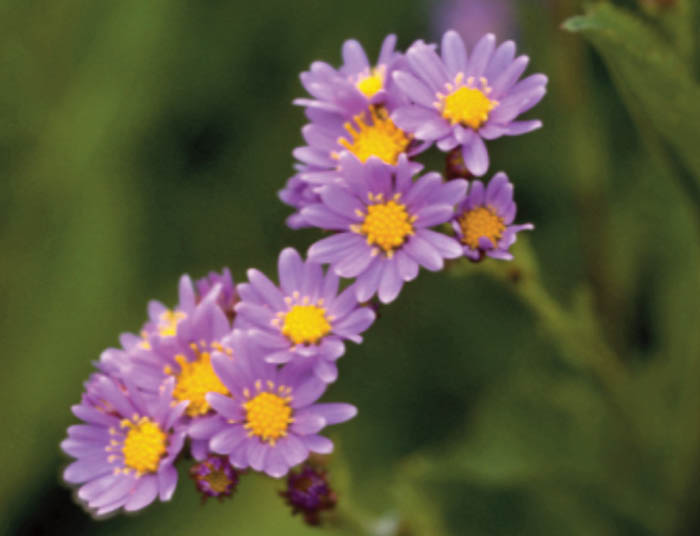
Assessing the bloom period length of Aster novae-angliae in late summer gardens starts with a distinction: a plant may carry colourful flowers for weeks, while individual flower heads often fade much sooner. Commonly called New England daisy, this perennial is valued for extending colour from late summer into autumn. Its effect can be substantial when a clump is healthy and established, yet flowering dates shift with location, weather and maintenance.
For Australian gardeners, the useful comparison is climatic rather than calendar alone. Late summer here means February and March, whereas late summer in Chicagoland falls in August and September. The same plant can perform differently around Melbourne, Canberra and Sydney because winter cold, summer humidity and rainfall are not interchangeable. Local records, tracking the first flowers, peak display and final blooms, provide a more dependable basis for planning.
| Garden setting | Broad flowering pattern | Main influence | Helpful planting response |
|---|---|---|---|
| Chicagoland benchmark | Late July into early autumn | Heat and heavy rain may shorten the display; cooler nights can prolong it | Allow room for its upright growth and maintain moisture during dry spells |
| Melbourne | February into early autumn | Dry summer heat can shorten flowering, while cool autumn nights help extend it | Protect clumps from wind and irrigate deeply during extended rain-free periods |
| Canberra | February into autumn | Cold winters support dormancy, but frost can end flowering quickly | Use moisture-retentive soil and shelter from severe afternoon heat |
| Sydney | Late summer into autumn in favourable sites | Humidity and mild winters can encourage weak stems and foliar disease | Prioritise drainage, airflow and morning sun |
Reading the Chicago trial evidence
The value of the regional trial records lies in comparing plants across several gardens and seasons rather than judging them from one favourable location. Observations of flowering dates, colour, height and spread reveal whether a perennial performs consistently or merely responds to an unusually warm season.
A flowering period should be measured from the first clearly open flowers to the point when only a few remain. That differs from the lifespan of an individual flower head, which can lose its petals within days. Repeated visits throughout the season are therefore more informative than a single date recorded when the plant looks its best.
New England daisy can maintain a useful display for roughly six to eight weeks under favourable conditions. In Chicagoland, that performance may begin in August and continue into early autumn, interrupted by heat, storms or an early frost. Regional trial findings should take priority over a general estimate because establishment, soil and local weather can shorten or extend the observable window.
What changes the flowering window
Temperature has a strong effect on bud development and flower longevity. Warm nights can encourage rapid opening but use up stored energy sooner, while a sharp cold snap may terminate the display. Drought reduces flower size and encourages premature fading; prolonged wet weather places stress on the foliage and can lead to problems that shorten the flowering period even if buds remain.
Management changes the result without altering the plant’s genetic potential. Removing spent flowers before seed develops can redirect energy and encourage further buds. Leaving every seed head in place gives the plant a stronger reason to stop producing flowers, although those heads can provide useful structure after flowering. Gardeners seeking a long display should also water during dry weather rather than allowing the clump to wilt.
Age and spacing matter as well. A recently divided or container-grown specimen may spend its first season establishing roots rather than producing a full display. Crowded clumps compete for light and moisture, while a plant in a poorly drained position may lose leaves before flowering. An open site with steady moisture usually produces a taller, more generous display than a cramped one.
Matching the plant to Australian conditions
Melbourne offers a useful starting point for many Chicagoland comparisons because it also experiences cold winters and warm summers. February and March flowering is plausible, but dry winds and prolonged summer heat can restrict the display. Canberra provides colder winter rest and predictable spring growth, although late frosts can cut the season short. Sydney requires more caution because mild winters, high humidity and heavy summer rain may produce weak growth unless drainage and airflow are excellent.
Australian buying and sharing practices also affect what gardeners can evaluate. Specialist perennial nurseries, mail-order growers, local plant societies and community swaps are all familiar parts of the market for unusual plants in Australia. At a plant swap, Aussie gardeners may trade labelled clumps without knowing the exact cultivar, making flower colour and mature size especially important. Retail descriptions can also confuse the plant with similar daisy-flowered perennials.
The botanical name should be checked carefully. Some nurseries still use the familiar Aster novae-angliae, while newer references may list the plant as Symphyotrichum novae-angliae. It remains an introduced species in Australia, so buyers should consult state and local council weed information before propagating it and should avoid moving seed into areas where restrictions apply.
Supporting a long, healthy display
Choose a sunny position with reasonably rich, moisture-retentive but drained soil. Six hours of direct light supports sturdy stems and abundant buds, while shelter from intense afternoon heat is valuable in Melbourne, Canberra and western Sydney. Allow enough space for the plant’s upright form, as repeated crowding reduces both airflow and the visible spread of the flowers.
The late-season cut-back guidance is written for Chicagoland, but its underlying principle transfers well to Australian gardens. Leave the old stems standing after flowering, then remove them when the plant is ready to resume growth in spring. In southern Australia, that may occur later than in Chicago, and local weather should determine the timing rather than the calendar alone.
During active growth, water deeply when the upper soil begins to dry. Support tall stems before they lean or break, and divide mature clumps if their centres become sparse. Light deadheading can extend the display, while keeping some seed heads provides winter interest. The best balance depends on whether the priority is continuous colour, healthy growth or seed for propagation.
Make the next flowering record useful
Begin with clear dates for first bloom, peak flowering and the end of the display. Record rainfall, unusually hot days, frosts, soil moisture and any maintenance performed, because these details explain why two nearby plants flowered for different lengths of time. Photographs taken from the same position make changes in colour, height and spread easier to compare across seasons.
Regional observations become more valuable when they are shared. Local plant societies, nursery growers and public gardens can compare notes, while Telegram garden circles can provide a convenient place for quick updates between first flowers and the final display. Consistent observations help distinguish a genuine regional pattern from an exceptional season.
Choose one clump or trial site this season. Mark the three flowering dates, note the growing conditions and share the results with a local nursery, plant society or regional trial programme. That small record will give the next flowering assessment a practical starting point and turn a general flowering estimate into evidence that can guide future planting.
In the Garden
Evaluator gardens are located across the Chicagoland area, representing a range of growing conditions. Visit our retail and wholesale partners to find trialled perennials for your own garden.
Retail & Wholesale: Hinsdale Nurseries (Willowbrook, IL), Mariani Nurseries (Kenosha, WI & Garden Prairie, IL), Northwind Perennials (Burlington, WI), The Growing Place (Aurora, IL).
Wholesale Only: Hinsdale Nurseries (Plano, IL), Intrinsic Perennial Gardens (Hebron, IL).
Our Evaluation Program
The 2017–2020 evaluation cycle included Agastache 'Blue Boa', Allium senescens 'Blue Eddy', Amsonia ciliata var. filifolia 'Georgia Pancake', Astilbe 'Chocolate Shogun', Boltonia astroides 'James Crocket', Brunnera 'Alexander's Great', and Geranium cinereum 'Jolly Jewel Purple'. Completed evaluations include Amsonia 'Blue Ice' (2004–07).
On April 10, 2020, the program published snapshot profiles for Vernonia lettermanii 'Iron Butterfly', Stokesia laevis 'Elf', Stachys officinalis 'Pink Cotton Candy', Lobelia 'Monet Moment', Helleborus 'Winter Thrillers', Geum 'Mai Tai', Geranium soboliferum 'Butterfly Kisses', Gentiana x intermedia 'True Blue', Eurybia divaricata, Asparagus 'Purple Passion', and Agastache 'Bolero'.
Browse the full collection of snapshots organized alphabetically — from A–D, E–H, I–Q, and R–Z — to find detailed performance data on perennials trialled across Chicagoland.