Evaluating Perennials for Chicagoland Gardens
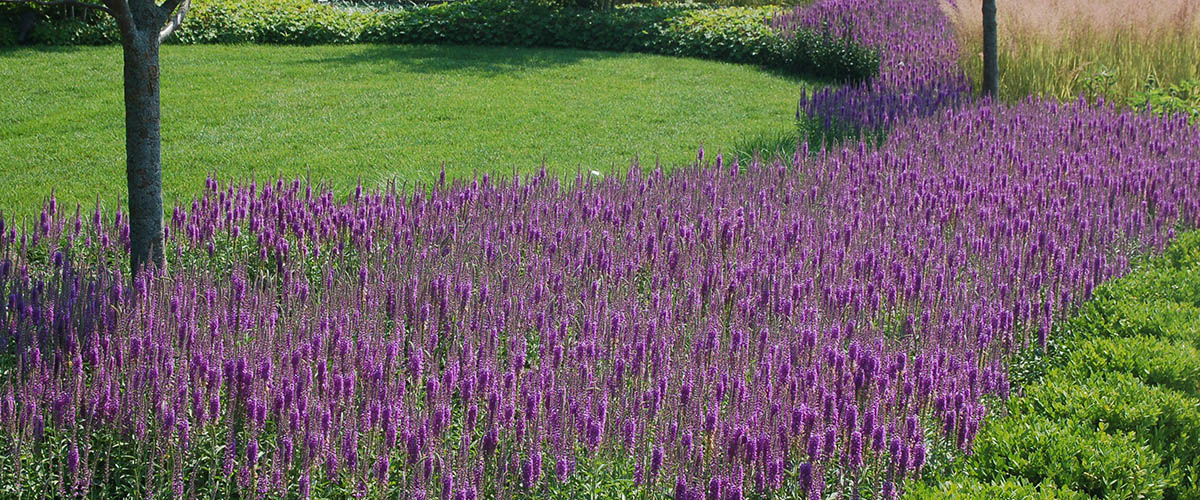
Perennials in Focus is a plant evaluation program that examines new and underused plants for Chicagoland, the third largest metropolitan area in the country. A group of horticultural experts trials and evaluates plants at numerous locations across the region. Results help consumers, public gardens, growers, landscape designers, breeders, and other industry professionals make informed plant choices.
When to Cut Back Perennials in Chicagoland Gardens
Cutting back perennials is less about following a single calendar date than reading the garden. In Chicagoland, autumn can bring an early freeze, a long mild stretch, or repeated temperature swings before winter settles in. The right timing depends on the plant, its health, its wildlife value, and whether its stems provide useful winter structure.
For many herbaceous perennials, the best approach is to wait until frost has blackened or collapsed the foliage, then remove only what is necessary. Leaving sturdy stems and seedheads in place can protect crowns, slow erosion, feed birds, and give snow a framework to rest against. Other plants, especially those with diseased foliage or weak, soggy stems, are better cleared in fall.
A thoughtful cleanup routine also supports the long-term evaluation of plants in regional gardens. Traits such as winter form, stem strength, bloom persistence, and spring emergence all matter when choosing reliable perennials for Northern Illinois landscapes.
Why Timing Matters In Chicagoland
Chicagoland gardens commonly experience winter lows within USDA Zones 5a and 5b, although conditions vary between exposed suburban sites, urban heat islands, and sheltered gardens near Lake Michigan. A perennial that remains upright in a protected city courtyard may collapse early in an open western-suburban bed. Soil moisture, wind, snow cover, and drainage further affect how plants finish the season.
Cutting foliage too soon can remove carbohydrates that the plant is still moving into its crown and roots. Green leaves continue photosynthesis after the first light frost, so waiting until foliage has naturally faded is generally kinder to the plant. This is especially important for late-season bloomers that remain active well into October.
Timing also affects garden appearance. A bed cut to the ground in September may look tidy for a short time, then become empty and exposed through the most visually interesting part of autumn. Allowing ornamental grasses, coneflowers, sedums, and other durable perennials to stand creates texture while supporting insects and birds.
What To Cut Back In Fall
Remove foliage promptly when it shows signs of serious disease. Powdery mildew, leaf spot, rust, and blackened or rotting tissue should not be left to overwinter on the plant or litter the soil. Cut infected material near the base, collect it, and place it in the trash rather than adding it to a home compost pile that may not reach temperatures high enough to destroy pathogens.
Perennials with soft stems that collapse into a wet mat are also good candidates for autumn cleanup. Peonies are commonly cut after frost kills the foliage, and hostas can be removed once their leaves become mushy. Iris foliage may be shortened after it yellows, while plants with persistent basal foliage can be treated more selectively.
Use clean, sharp pruners and avoid shredding stems. Disinfecting blades between visibly diseased plants reduces the risk of spreading infection. Leave a short stub where practical so emerging shoots are not damaged in spring, but avoid creating tall, ragged stalks that can collect water and decay.
Plants Worth Leaving Through Winter
Many perennials are more valuable in winter than their fall appearance suggests. Coneflower, black-eyed Susan, ornamental allium, rudbeckia, and other seed-producing plants offer food for finches and other birds. Hollow stems can shelter overwintering insects, while upright stalks help mark plant locations before spring growth begins.
Sedums are particularly useful for winter structure because their thick stems and dried flower heads often remain upright under snow. In exposed Chicagoland gardens, snow load can reveal meaningful differences among cultivars; gardeners comparing options can review sedums for winter strength before replacing a floppy selection.
Ornamental grasses usually benefit from being left intact until late winter or early spring. Their foliage protects the crown, catches snow, and provides movement during dormant months. Cut grasses back before new shoots emerge, since waiting too long can force pruners through fresh growth.
The Spring Cleanup Window
For most Chicagoland perennial beds, late March through mid-April is a practical spring cleanup period. The exact window shifts with snow cover and soil temperature. Begin when the ground is workable and before new shoots become tall enough to be caught by shears. In a cold, wet spring, waiting a little longer is preferable to compacting saturated soil.
Spring cutting is especially useful for plants with wildlife value or strong winter silhouettes. Instead of removing everything in autumn, cut last year’s stems into short sections and leave them among the bed or in a discreet garden corner. This retains habitat while making room for fresh growth.
Take care around early-emerging plants such as ornamental onions, bleeding heart, peonies, and many native perennials. Their shoots can appear before the rest of the bed is ready for a major cleanup. Hand-pull loose debris around them, then use pruners only where old stems are clearly visible.
A Seasonal Guide For Common Perennials
The following timing provides a starting point rather than a rigid rule. A plant’s condition should always take priority over the calendar, particularly after disease, storm damage, or an unusually warm autumn.
| Perennial type | Fall approach | Spring timing | Main reason |
|---|---|---|---|
| Peony | Cut to the ground after frost | Remove leftover debris before growth | Reduce disease carryover |
| Hostas | Remove when foliage collapses | Clear remaining leaves carefully | Prevent slimy decay |
| Coneflower and rudbeckia | Leave seedheads if healthy | Cut before new growth expands | Support birds and insects |
| Sedum | Leave upright flower heads | Cut old stems near the crown | Preserve winter structure |
| Ornamental grasses | Leave standing | Cut before fresh blades appear | Protect crowns and wildlife |
| Bearded iris | Remove yellowing foliage selectively | Finish cleanup before spring growth | Improve airflow and appearance |
| Bee balm and phlox | Cut diseased stems in fall | Remove remaining stalks | Limit mildew and leaf disease |
| Ferns and woodland plants | Usually leave fronds intact | Trim only damaged material | Protect crowns and habitat |
This seasonal guide also helps when assessing plants for a new border. Regional trial information can reveal which perennials retain form, resist common problems, and return reliably after a Chicagoland winter. For gardeners comparing possibilities, the Northern Illinois perennial candidates offer useful context beyond a catalog photograph.
How To Make Fall Cleanup More Selective
Start by dividing the garden into three categories: diseased or damaged plants, plants that provide winter habitat and structure, and plants that become unattractive or hazardous when left standing. This simple sorting method prevents the common mistake of treating every perennial in the same way.
Cut plants on a dry day when possible. Damp stems and wet soil make cleanup messy and increase the risk of spreading disease or compacting the bed. Place removed foliage directly into a bin or tarp, and rake only as much as needed. A thin layer of healthy leaf litter can protect soil and feed organisms, while thick mats around crowns may encourage rot.
Avoid using a string trimmer close to crowns unless the planting is clearly marked and the operator can see dormant growth. Hand pruners offer better control in mixed borders. Leave labels or small stakes near plants that disappear completely in winter, especially newly planted cultivars being evaluated for their first season.
A Practical Cutting Back Checklist
Use these recommendations when planning the final autumn pass and the first spring visit:
- Wait for natural senescence on healthy perennials instead of cutting green foliage prematurely.
- Remove diseased, slimy, or storm-damaged material and dispose of it away from the compost pile.
- Leave sturdy seedheads and stems that provide food, shelter, or winter interest.
- Cut ornamental grasses and remaining perennial stalks in early spring before new shoots lengthen.
- Check plant crowns for emerging growth before raking, edging, or using power equipment.
The best time to cut back perennials in Chicagoland gardens is therefore a flexible window: after healthy foliage fades in fall for selected plants, or in early spring for plants that offer habitat and winter structure. Walk the beds regularly, record what survives snow and cold, and adjust the schedule to each plant’s behavior. A measured cleanup preserves the garden’s ecological value while keeping perennial borders healthy, attractive, and ready for another season. Use regional trial findings to choose plants that earn their place in the landscape, then let their seasonal performance guide your pruning decisions.
In the Garden
Evaluator gardens are located across the Chicagoland area, representing a range of growing conditions. Visit our retail and wholesale partners to find trialled perennials for your own garden.
Retail & Wholesale: Hinsdale Nurseries (Willowbrook, IL), Mariani Nurseries (Kenosha, WI & Garden Prairie, IL), Northwind Perennials (Burlington, WI), The Growing Place (Aurora, IL).
Wholesale Only: Hinsdale Nurseries (Plano, IL), Intrinsic Perennial Gardens (Hebron, IL).
Our Evaluation Program
The 2017–2020 evaluation cycle included Agastache 'Blue Boa', Allium senescens 'Blue Eddy', Amsonia ciliata var. filifolia 'Georgia Pancake', Astilbe 'Chocolate Shogun', Boltonia astroides 'James Crocket', Brunnera 'Alexander's Great', and Geranium cinereum 'Jolly Jewel Purple'. Completed evaluations include Amsonia 'Blue Ice' (2004–07).
On April 10, 2020, the program published snapshot profiles for Vernonia lettermanii 'Iron Butterfly', Stokesia laevis 'Elf', Stachys officinalis 'Pink Cotton Candy', Lobelia 'Monet Moment', Helleborus 'Winter Thrillers', Geum 'Mai Tai', Geranium soboliferum 'Butterfly Kisses', Gentiana x intermedia 'True Blue', Eurybia divaricata, Asparagus 'Purple Passion', and Agastache 'Bolero'.
Browse the full collection of snapshots organized alphabetically — from A–D, E–H, I–Q, and R–Z — to find detailed performance data on perennials trialled across Chicagoland.