Evaluating Perennials for Chicagoland Gardens
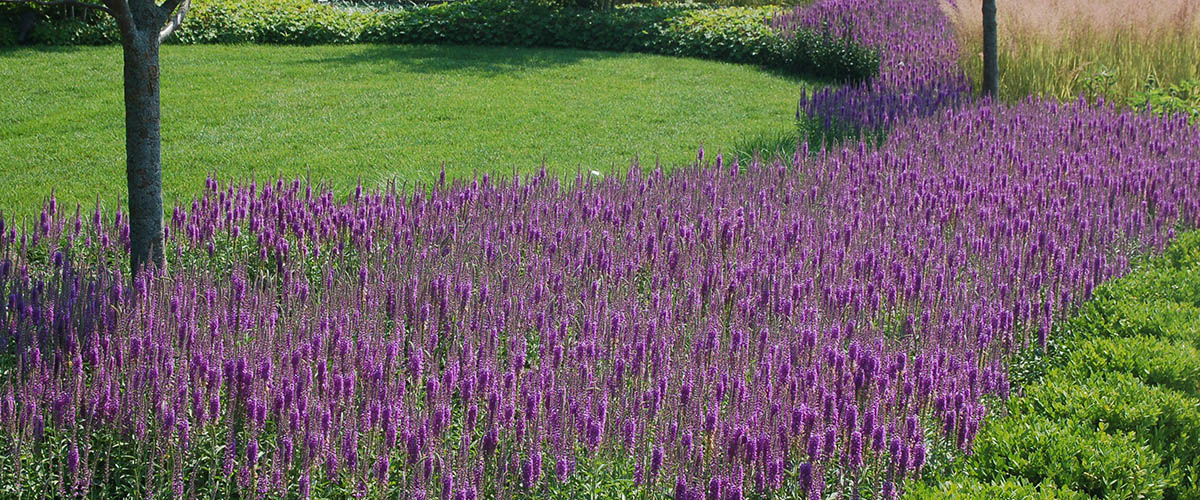
Perennials in Focus is a plant evaluation program that examines new and underused plants for Chicagoland, the third largest metropolitan area in the country. A group of horticultural experts trials and evaluates plants at numerous locations across the region. Results help consumers, public gardens, growers, landscape designers, breeders, and other industry professionals make informed plant choices.
How Mulches Hold Moisture Around New Perennials
Trialing the moisture retention of different mulches around newly planted perennials can reveal why some beds establish quickly while others need frequent irrigation. A mulch layer changes how rapidly water evaporates, how deeply rainfall enters the soil, and how evenly moisture remains available around young roots.
For Australian gardeners, the subject has immediate practical value. A new perennial planted in Melbourne may face hot, drying northerly winds, while a garden in Perth can lose water rapidly through sandy soil. In Sydney, Brisbane or Adelaide, summer rainfall may arrive in intense bursts rather than at a steady rate, making mulch selection part of sensible water management.
The Perennials in Focus program evaluates plants across multiple gardens and seasons in the Chicagoland region. Its findings are shaped by cold winters, spring moisture and summer heat, so Australian users should treat the results as a useful framework rather than a direct planting prescription. A carefully designed mulch trial can help translate regional observations to local conditions.
Why Moisture Retention Matters
Newly planted perennials have a small root system and limited contact with surrounding soil. Until roots expand, the plant can wilt even when the bed appears damp a few centimetres below the surface. Mulch reduces direct exposure to sun and wind, slowing evaporation from the soil surface and moderating temperature swings.
Moisture retention is only one part of establishment. A dense or waterlogged layer can reduce air movement at the crown, encourage stem rot and create hiding places for pests. The most useful mulch is therefore the one that keeps moisture reasonably consistent without sealing the surface or touching the plant’s crown.
A trial should track plant response as well as soil moisture. Record wilting, new leaf growth, flowering, crown health and the time between irrigation events. These observations show whether a mulch is helping the perennial use water effectively, rather than simply keeping the upper soil layer wet.
Build A Fair Mulch Trial
Begin with plants of similar size, planted on the same day in comparable soil. Divide the bed into replicated treatment areas, leaving one section uncovered as a control. Suitable treatments might include shredded bark, composted green waste, sugarcane mulch, straw, leaf mould and a mineral option such as gravel.
Apply each material at a measured depth, usually around 50 to 75 millimetres for organic mulch. Keep a clear ring around each crown, especially for plants with fleshy stems or winter-dormant growth. Note the material’s texture, moisture content and source because products sold under the same broad label can behave very differently.
Water every plot equally at the beginning, then use a consistent irrigation rule. For example, water when a soil probe or finger test shows that the root zone has begun to dry, recording the date and volume used. The evaluation team model is valuable here because consistent observations across sites make plant comparisons more reliable.
Compare Materials By More Than Appearance
Organic mulches differ in how quickly they settle, decompose and absorb water. Fine compost may hold moisture effectively but can compact if spread too thickly. Coarse bark allows better airflow and can last through several seasons, although it may initially draw moisture from the surface as it begins to break down. Sugarcane mulch is widely available in Australian garden centres and is light to handle, but it can blow away before becoming wet.
Mineral mulches, including gravel and scoria, do not decompose and can suit dry-climate gardens. They may reduce soil splash and reflect heat, yet dark stone can raise surface temperatures in exposed sites. Straw and leaf mould can provide good insulation, though their performance depends on particle size, wind exposure and how rapidly they decompose.
| Mulch material | Likely moisture behaviour | Main advantages | Points to monitor |
|---|---|---|---|
| Coarse bark | Slows evaporation and remains moderately open | Long-lasting, tidy appearance | Settling, fungal growth in poorly drained beds |
| Composted green waste | Holds water well when evenly applied | Adds organic matter over time | Compaction, salt or nutrient variation |
| Sugarcane mulch | Absorbs water after wetting and shades soil | Accessible in Australia, easy to spread | Wind loss, rapid breakdown |
| Straw | Provides loose insulation and surface shade | Useful for temporary trials | Blowing, decomposition and pest shelter |
| Leaf mould | Retains moisture while improving soil texture | Gentle, natural appearance | Variable consistency and weed seed risk |
| Gravel or scoria | Limits evaporation without decomposing | Durable and suitable for some dry gardens | Heat build-up, difficult later planting |
Measure Moisture And Plant Performance
A moisture meter can support a trial, but readings should be taken at the same depth and distance from the plant each time. Compare readings in the upper root zone rather than at the surface alone. Soil probes, weighing samples or simple timed hand watering can supplement meter readings, especially where inexpensive meters are inconsistent.
Record rainfall, irrigation, air temperature and mulch depth during each inspection. A layer that performs well after a cool week may lose its advantage during a hot spell. In Chicagoland, freeze-thaw cycles and snow cover will affect mulch persistence; in Australia, intense sun, dry winds and sudden downpours may be more influential.
Watch for uneven results caused by bed position. A plot beside a wall may receive reflected heat, while one beneath a tree may intercept rainfall and compete for water. Rotate treatment positions where possible, or repeat the trial in several parts of the garden. Replication is more informative than a single impressive-looking bed.
Translate Regional Findings For Australian Gardens
Chicagoland trials can provide strong information about plant habit, flowering period, spread and seasonal resilience, but moisture results need local interpretation. A mulch that performs well through humid summer conditions in Illinois may behave differently in a Perth garden with free-draining sand. Likewise, a material that stays damp in a shaded Melbourne border may remain wet for too long in a poorly drained Brisbane site.
Local water rules should shape the trial. During restrictions, gardeners may rely on drip irrigation, rainwater tanks or recycled household water where permitted. Mulch can extend the interval between watering, but it does not replace deep establishment watering after planting. Apply water slowly enough to penetrate below the mulch and reach the developing root ball.
Purchase conditions matter as well. Australian nurseries, garden centres and hardware chains often stock sugarcane mulch, pine bark, composted organics and decorative stone in different grades. Check labels for recycled content, maturity and recommended use. Fresh organic material can heat as it decomposes, while poorly screened products may contain weed seeds or contaminants.
Use Results To Guide Planting Decisions
The best treatment will depend on the perennial and the site. A moisture-loving plant may benefit from a water-holding organic mulch, while a drought-tolerant species from a Mediterranean-style bed may prefer a thin, airy layer combined with excellent drainage. Keep mulch away from crowns and stems, and top up gradually as organic materials settle.
Use the records to create practical recommendations: irrigation intervals, suitable mulch depth, seasonal reapplication and warning signs of excess moisture. Share observations with growers, landscape teams and local gardening groups so that plant performance can be assessed across different Australian climates rather than in one garden alone.
Start a small replicated trial with three or four mulch types, a bare-soil control and several comparable perennial plants. Measure soil moisture, watering frequency and plant condition through one full growing season, then choose the material that supports steady establishment with the least waste of water and labour.
In the Garden
Evaluator gardens are located across the Chicagoland area, representing a range of growing conditions. Visit our retail and wholesale partners to find trialled perennials for your own garden.
Retail & Wholesale: Hinsdale Nurseries (Willowbrook, IL), Mariani Nurseries (Kenosha, WI & Garden Prairie, IL), Northwind Perennials (Burlington, WI), The Growing Place (Aurora, IL).
Wholesale Only: Hinsdale Nurseries (Plano, IL), Intrinsic Perennial Gardens (Hebron, IL).
Our Evaluation Program
The 2017–2020 evaluation cycle included Agastache 'Blue Boa', Allium senescens 'Blue Eddy', Amsonia ciliata var. filifolia 'Georgia Pancake', Astilbe 'Chocolate Shogun', Boltonia astroides 'James Crocket', Brunnera 'Alexander's Great', and Geranium cinereum 'Jolly Jewel Purple'. Completed evaluations include Amsonia 'Blue Ice' (2004–07).
On April 10, 2020, the program published snapshot profiles for Vernonia lettermanii 'Iron Butterfly', Stokesia laevis 'Elf', Stachys officinalis 'Pink Cotton Candy', Lobelia 'Monet Moment', Helleborus 'Winter Thrillers', Geum 'Mai Tai', Geranium soboliferum 'Butterfly Kisses', Gentiana x intermedia 'True Blue', Eurybia divaricata, Asparagus 'Purple Passion', and Agastache 'Bolero'.
Browse the full collection of snapshots organized alphabetically — from A–D, E–H, I–Q, and R–Z — to find detailed performance data on perennials trialled across Chicagoland.