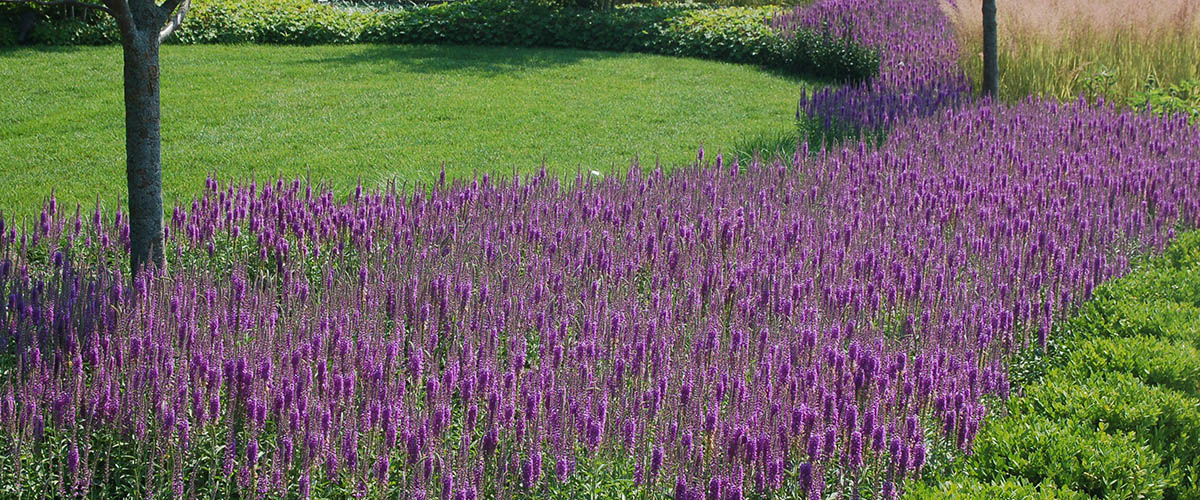
Evaluating Perennials for Chicagoland Gardens
Perennials in Focus is a plant evaluation program that examines new and underused plants for Chicagoland, the third largest metropolitan area in the country. A group of horticultural experts trials and evaluates plants at numerous locations across the region. Results help consumers, public gardens, growers, landscape designers, breeders, and other industry professionals make informed plant choices.
Trialing Monarda Didyma Across Sun And Part Shade
Monarda didyma, commonly called scarlet bee balm or red bergamot, is a familiar midsummer perennial in Chicagoland gardens. Its vivid flowers attract hummingbirds, bumblebees, and other pollinators, while its aromatic foliage adds interest before and after bloom. Yet the length and quality of its flowering season can vary considerably with light, moisture, cultivar, and weather.
A plant grown in full sun may receive the light needed for abundant flower production, but it can also face hotter soil and faster moisture loss. Part shade may protect foliage from afternoon stress and extend flower freshness, although reduced light can produce taller stems, fewer blooms, or a less concentrated display. A regional trial can clarify how these competing effects influence the flowering duration of Monarda didyma.
For the Perennials in Focus program, the most useful result is not a simple winner. The goal is to document how scarlet bee balm behaves in realistic Chicagoland conditions and to identify where each light exposure supports the strongest garden performance.
Defining flowering duration in a regional trial
Flowering duration should be recorded as more than the date when the first flower opens. A complete evaluation can include the first visible bloom, the point when half of the plants are flowering, peak display, the final meaningful flush, and the date when only scattered flowers remain. This approach distinguishes a brief but spectacular peak from a longer season with moderate, consistent color.
Individual plants should be observed at regular intervals throughout summer. Notes can include the number of flowering stems, the percentage of open florets, flower color retention, stem strength, and whether spent heads continue to contribute ornamental value. A plant that technically flowers for six weeks but becomes unattractive after two may have less landscape value than one that holds a clean display for four weeks.
Weather records are equally important. Heat waves, thunderstorms, drought, and unusually cool periods can alter bloom timing in every garden. Recording these conditions alongside observations helps evaluators separate the effect of light exposure from the effect of a challenging season.
Comparing full sun and part shade
Full sun generally means at least six hours of direct light, while part shade may provide approximately three to six hours, often with protection from intense afternoon rays. For Monarda didyma, full sun commonly encourages compact growth, sturdy stems, and a strong initial bloom. It may also improve air movement around the foliage when plants are spaced properly.
Part shade can create a cooler, less demanding environment, especially when plants receive morning sun and afternoon shade. Flowers may remain fresh longer during hot weather, and leaves may show less midday wilting when soil moisture is adequate. However, insufficient light can lead to lanky stems and a thinner flower display, particularly in dense shade or beneath competitive tree roots.
The trial should therefore compare sites with similar soil preparation, irrigation, fertility, and plant spacing. If full-sun plants grow in rich, consistently moist soil while part-shade plants compete with established trees, the results will describe those site conditions rather than light exposure alone.
What to measure from first bloom to final color
The first bloom date provides a useful seasonal marker, but the interval between first bloom and peak flowering often reveals more about garden impact. Evaluators can also record how quickly flowers open along each stem and whether secondary shoots produce a later flush after the original display fades.
Deadheading should be documented rather than treated as an invisible maintenance detail. Removing spent flower heads may encourage additional branching and improve appearance, while leaving them in place can provide seedheads and late-season structure. A fair comparison can include both a maintenance-managed observation and a note on how the plants look with minimal intervention.
Leaf health belongs in the flowering assessment because disease can shorten the effective bloom season. Powdery mildew, a common concern for bee balm, may cover leaves late in summer and reduce the plant’s visual value even when flowers remain. Cultivar differences, adequate spacing, resistant genetics, and steady moisture all deserve attention in the final evaluation.
| Performance measure | Full sun expectation | Part shade expectation | Useful trial note |
|---|---|---|---|
| First bloom | Often earlier or more concentrated | May begin slightly later | Record weather and cultivar |
| Peak flower display | Usually dense and abundant | Can be lighter but prolonged | Count flowering stems |
| Flower freshness | May decline faster during heat | May hold longer in afternoon shade | Check during hot spells |
| Stem strength | Often shorter and sturdier | May become taller or lean | Note staking or flopping |
| Foliage quality | Good with airflow and moisture | Can remain cooler but may be damper | Track mildew and wilting |
| Late-season color | May fade quickly under drought | May retain scattered blooms | Record secondary flushes |
Interpreting the role of moisture
Light and water are closely connected in this trial. Monarda didyma performs best in fertile soil that remains evenly moist but drains well. Full-sun plants may need supplemental irrigation during dry periods, while part-shade plants may use water more slowly. Without monitoring, a longer bloom period in shade could simply reflect reduced drought stress.
Irrigation should be applied deeply and consistently rather than in frequent shallow doses. Mulch can moderate root-zone temperatures and reduce evaporation, but it should be kept away from the crowns and stems. Moisture readings or standardized hand checks at each garden help evaluators recognize whether plants experienced comparable growing conditions.
Chicagoland’s summer weather can shift quickly from heavy rain to intense heat. A plant’s ability to recover from these changes is part of its regional value. Observations should include whether stems rebound after storms, whether flowers discolor in prolonged rain, and whether foliage stays attractive through humid periods.
Reading bloom quality alongside pollinator value
A longer flowering season is valuable, but flower quantity and accessibility matter as well. Monarda didyma has tubular flowers that are especially attractive to hummingbirds and long-tongued bees. A part-shade plant with fewer flower heads may still support regular pollinator visits if its blooms remain fresh during a period when other garden plants are fading.
Evaluators can record pollinator activity during consistent observation windows, noting visitor types without treating the counts as a complete measure of ecological value. Flowering duration, flower density, and visibility all influence how useful a planting is in a home landscape or public garden.
Color stability should also be included. Red, scarlet, pink, lavender, and white cultivars can respond differently to heat and rain, and some flowers may bleach or collapse sooner than others. Recording cultivar name and flower color makes the findings more useful to growers, retailers, designers, and gardeners choosing plants for a particular visual effect.
Placing the results in a broader garden sequence
Monarda didyma rarely functions as an isolated specimen. Its flowering period can bridge early-summer perennials and late-summer plants such as rudbeckia, phlox, and ornamental grasses. When evaluating the plant, note whether full sun or part shade places its strongest display in a useful position within the garden’s overall succession.
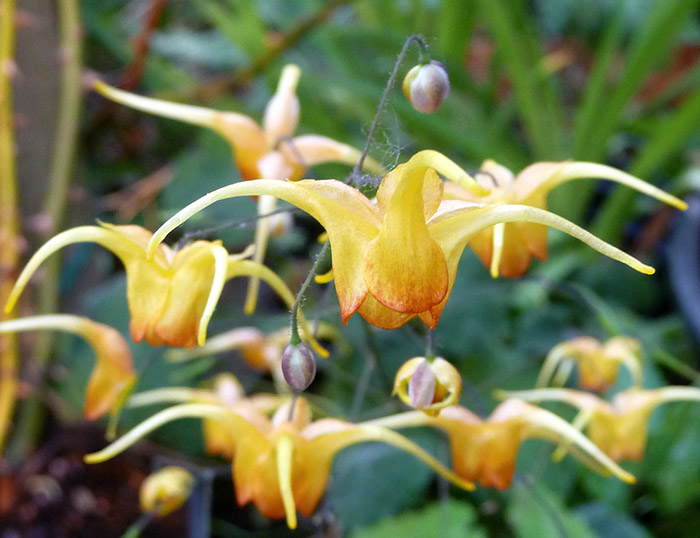
Site comparison can also benefit from looking at other plants that respond to changing light and seasonal conditions. For example, gardeners studying how shade influences perennial appearance may find the early foliage comparison between Epimedium and Helleborus hybrids useful when thinking about observation methods and ornamental timing.
The final report should describe flowering duration in practical terms: when the display begins, how long it remains visually strong, what maintenance extends its appeal, and which site conditions support healthy foliage. Clear observations are more valuable than broad claims that one exposure is always superior.
Practical recommendations for planting and evaluation
Gardeners can use trial findings to select a location that matches their maintenance capacity and desired effect. Full sun may suit a bold, concentrated display where irrigation and airflow are reliable. Part shade may be preferable for afternoon protection, especially when the soil holds moisture without becoming waterlogged.
For the most informative planting, use several plants of the same cultivar in each light condition and repeat the comparison across more than one garden when possible. A single specimen can be affected by disease, root competition, or an unusual pocket of soil, while replicated plants reveal a more dependable pattern.
- Choose a site with consistent moisture and good drainage.
- Record cultivar, planting date, soil conditions, and hours of direct light.
- Space plants to encourage airflow around stems and leaves.
- Track first bloom, peak display, final meaningful color, and disease symptoms.
- Compare deadheaded and minimally managed plants when practical.
The value of this trial lies in translating seasonal observations into better plant choices. By documenting Monarda didyma in both full sun and part shade, Perennials in Focus can help Chicagoland gardeners match bee balm to the right site, anticipate its flowering window, and create resilient plantings with dependable summer color. Share observations from local gardens, consult regional trial findings, and use the evidence to guide the next perennial selection.
In the Garden
Evaluator gardens are located across the Chicagoland area, representing a range of growing conditions. Visit our retail and wholesale partners to find trialled perennials for your own garden.
Retail & Wholesale: Hinsdale Nurseries (Willowbrook, IL), Mariani Nurseries (Kenosha, WI & Garden Prairie, IL), Northwind Perennials (Burlington, WI), The Growing Place (Aurora, IL).
Wholesale Only: Hinsdale Nurseries (Plano, IL), Intrinsic Perennial Gardens (Hebron, IL).
Our Evaluation Program
The 2017–2020 evaluation cycle included Agastache 'Blue Boa', Allium senescens 'Blue Eddy', Amsonia ciliata var. filifolia 'Georgia Pancake', Astilbe 'Chocolate Shogun', Boltonia astroides 'James Crocket', Brunnera 'Alexander's Great', and Geranium cinereum 'Jolly Jewel Purple'. Completed evaluations include Amsonia 'Blue Ice' (2004–07).
On April 10, 2020, the program published snapshot profiles for Vernonia lettermanii 'Iron Butterfly', Stokesia laevis 'Elf', Stachys officinalis 'Pink Cotton Candy', Lobelia 'Monet Moment', Helleborus 'Winter Thrillers', Geum 'Mai Tai', Geranium soboliferum 'Butterfly Kisses', Gentiana x intermedia 'True Blue', Eurybia divaricata, Asparagus 'Purple Passion', and Agastache 'Bolero'.
Browse the full collection of snapshots organized alphabetically — from A–D, E–H, I–Q, and R–Z — to find detailed performance data on perennials trialled across Chicagoland.