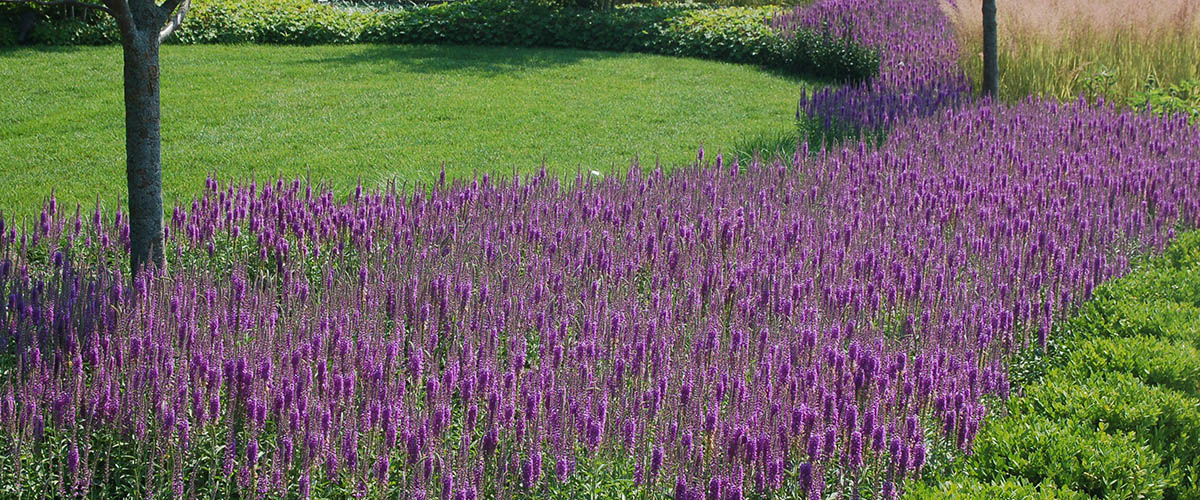
Evaluating Perennials for Chicagoland Gardens
Perennials in Focus is a plant evaluation program that examines new and underused plants for Chicagoland, the third largest metropolitan area in the country. A group of horticultural experts trials and evaluates plants at numerous locations across the region. Results help consumers, public gardens, growers, landscape designers, breeders, and other industry professionals make informed plant choices.
Trialing New Agastache Varieties for Hummingbirds
Agastache has become a favorite in pollinator gardens because its upright flower spikes offer vivid color, long bloom, and abundant nectar. Hummingbirds are especially drawn to the tubular flowers, while bees and butterflies often use the same plants throughout the growing season. For Chicagoland gardeners, however, attractive catalog descriptions are only a starting point.
A variety must handle heat, humidity, winter exposure, heavy rain, and the variable soils found across the region. It also needs to produce flowers reliably rather than simply survive. Trialing new agastache selections under local conditions helps reveal which plants deliver strong ornamental performance and meaningful wildlife value.
Perennials in Focus evaluates plants through repeated observation across gardens and seasons. That regional approach gives gardeners, growers, retailers, and landscape professionals useful information about bloom timing, mature size, vigor, and garden presence before a plant becomes widely available.
Why Agastache Belongs In Hummingbird Gardens
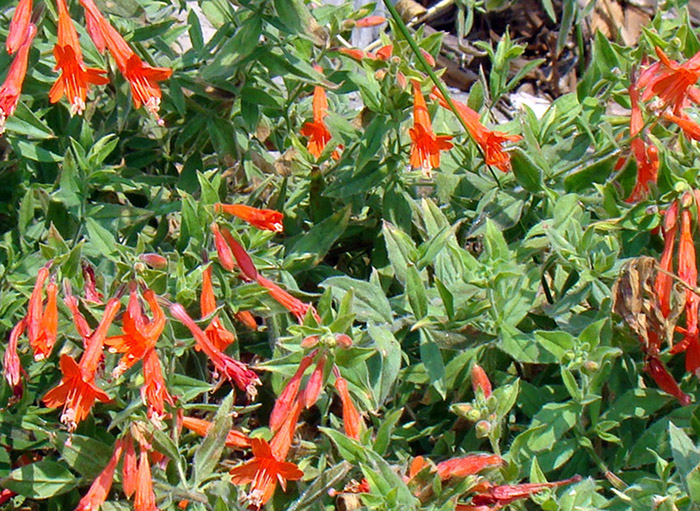
Hummingbirds locate flowers through color, shape, and nectar availability. Agastache varieties with red, coral, orange, pink, or purple flower spikes can become highly visible feeding stations, particularly when planted in sunny borders or near patios. Their vertical form also creates a clear landing and feeding profile for birds that hover while visiting individual blooms.
Flower color alone does not determine garden value. A productive selection should offer a long succession of open flowers, sturdy stems, and enough foliage to maintain a healthy appearance between bloom flushes. Plants that collapse after summer storms or stop flowering during hot weather may attract attention briefly but provide less consistent habitat.
Fragrance, branching, and flower density add further interest. Some selections form compact clumps suited to residential beds, while others create taller accents for prairie-style plantings. Comparing these traits helps identify agastache plants that support hummingbirds while fitting real landscape designs.
Designing A Regional Plant Trial
A useful trial begins with consistent growing conditions. New agastache varieties should receive full sun, sharp drainage, and enough room to develop without excessive competition. Replicated plantings across more than one garden can show whether a promising selection performs broadly or depends on unusually favorable soil and maintenance.
Observations should begin when plants emerge in spring and continue through dormancy. Evaluators can record winter survival, the date of first bloom, peak flowering, rebloom, plant height, spread, stem strength, and foliage quality. Notes on powdery mildew, crown problems, lodging, and insect damage are equally important because a hummingbird garden must remain attractive for people as well as pollinators.
Weather records add valuable context. A cool, wet spring may delay flowering, while a hot, humid summer can expose weaknesses in disease resistance or water management. Multi-season evaluation separates temporary weather responses from dependable genetic performance.
Traits That Matter Most In Chicagoland
The strongest candidates balance bloom production with resilience. Early flowering can provide nectar when few other perennials are in full color, while late-season performance helps hummingbirds fuel migration. A variety that carries fresh flower spikes for many weeks may be more useful than one with a dramatic but short display.
Height and spread affect placement. Compact plants can fill containers, front borders, and smaller urban gardens, whereas taller varieties work well among ornamental grasses or behind lower perennials. Recording mature dimensions rather than relying only on nursery tags makes spacing recommendations more realistic.
Winter hardiness deserves careful attention. Agastache species and hybrids vary considerably, and survival may depend on drainage as much as minimum temperature. Gardeners seeking additional regional planting ideas can explore underused perennials for Zone 5b, especially when building a diverse planting around trialed agastache selections.
| Evaluation Trait | What To Record | Why It Matters |
|---|---|---|
| Bloom period | First flower, peak display, final bloom, rebloom | Indicates how long nectar is available |
| Flower color | Hue, saturation, fading, consistency | Affects visibility and ornamental value |
| Plant structure | Height, spread, branching, stem strength | Guides spacing and reduces lodging problems |
| Hummingbird activity | Visit frequency and timing | Connects plant performance with wildlife use |
| Foliage health | Mildew, discoloration, insect damage | Shows durability through summer stress |
| Winter survival | Spring emergence and crown condition | Helps assess regional reliability |
| Maintenance response | Deadheading, watering, division needs | Supports practical landscape recommendations |
Reading Hummingbird Activity Carefully
Wildlife observations should be collected alongside horticultural data rather than treated as a simple popularity contest. A plant may receive fewer visits because it blooms beside a more concentrated nectar source, sits in a less visible location, or flowers during a period when hummingbirds are less active. Repeated observations across multiple sites create a more useful picture.
Evaluators can note the number of visits during fixed observation periods, the time of day, and whether birds return to the same plants. It is also helpful to record nearby flowers, weather conditions, and planting density. These details help explain whether a variety attracts hummingbirds because of its own flower traits or because of the larger garden context.
Color preferences may shift as more cultivars enter the trial. Red and orange flowers often receive immediate attention, but pink, lavender, and purple selections can perform well when they produce abundant nectar over an extended period. A diverse planting of complementary colors may create a steadier resource than a bed devoted to one cultivar.
Recommendations For Trial And Garden Use
A thoughtful evaluation process turns observations into practical decisions. The following recommendations can guide new agastache trials and hummingbird-focused plantings:
- Compare at least three varieties under the same sun, soil, irrigation, and spacing conditions.
- Record flowering from first bloom through the final flush instead of rating plants only at peak season.
- Include both compact and tall selections to test different landscape applications.
- Pair agastache with other nectar-rich perennials that flower before and after its main display.
- Track winter survival for multiple years before making broad hardiness claims.
The best trial notes combine measurements with clear visual descriptions. “Plants reached 30 inches and remained upright after heavy rain” is more useful than “excellent habit.” Photographs taken at the same points in the season can document changes in density, bloom coverage, and foliage health.
Results should also acknowledge maintenance. Deadheading may encourage fresh flower production in some selections, while others continue blooming without intervention. Irrigation during establishment can improve early growth, but mature plants should be assessed under sustainable watering practices that reflect typical regional landscapes.
Sharing Findings Across The Horticulture Community
Regional trials become more valuable when information reaches the people who choose, grow, sell, and specify plants. Home gardeners need realistic expectations about size and care. Retailers benefit from stronger plant descriptions. Landscape professionals can select varieties that fit exposure, scale, and maintenance goals, while breeders gain insight into traits that matter in a demanding climate.
The people gathering these observations bring different forms of expertise, from plant production and landscape design to public horticulture and garden management. Learn more about the evaluation team and the collaborative perspective behind regional plant testing.
Published findings can also encourage broader use of underrepresented perennials. When a new agastache proves floriferous, upright, winter-resilient, and attractive to hummingbirds, it offers a valuable alternative to familiar annuals and overused bedding plants. That diversity strengthens gardens by extending bloom and reducing dependence on a narrow list of standard selections.
Put Regional Evidence To Work
Trialing new agastache varieties for attracting hummingbirds is ultimately about matching plant genetics with place, weather, and purpose. Careful observations reveal which selections sustain flowers through summer, maintain healthy structure, and return reliably after winter. Those findings give gardeners a practical foundation for creating colorful, resilient habitat.
Explore the regional evaluations from Perennials in Focus, apply the recorded traits to your own site, and share performance observations from Chicagoland gardens. Each well-documented planting adds useful evidence for better perennial choices and more dependable hummingbird resources.
In the Garden
Evaluator gardens are located across the Chicagoland area, representing a range of growing conditions. Visit our retail and wholesale partners to find trialled perennials for your own garden.
Retail & Wholesale: Hinsdale Nurseries (Willowbrook, IL), Mariani Nurseries (Kenosha, WI & Garden Prairie, IL), Northwind Perennials (Burlington, WI), The Growing Place (Aurora, IL).
Wholesale Only: Hinsdale Nurseries (Plano, IL), Intrinsic Perennial Gardens (Hebron, IL).
Our Evaluation Program
The 2017–2020 evaluation cycle included Agastache 'Blue Boa', Allium senescens 'Blue Eddy', Amsonia ciliata var. filifolia 'Georgia Pancake', Astilbe 'Chocolate Shogun', Boltonia astroides 'James Crocket', Brunnera 'Alexander's Great', and Geranium cinereum 'Jolly Jewel Purple'. Completed evaluations include Amsonia 'Blue Ice' (2004–07).
On April 10, 2020, the program published snapshot profiles for Vernonia lettermanii 'Iron Butterfly', Stokesia laevis 'Elf', Stachys officinalis 'Pink Cotton Candy', Lobelia 'Monet Moment', Helleborus 'Winter Thrillers', Geum 'Mai Tai', Geranium soboliferum 'Butterfly Kisses', Gentiana x intermedia 'True Blue', Eurybia divaricata, Asparagus 'Purple Passion', and Agastache 'Bolero'.
Browse the full collection of snapshots organized alphabetically — from A–D, E–H, I–Q, and R–Z — to find detailed performance data on perennials trialled across Chicagoland.