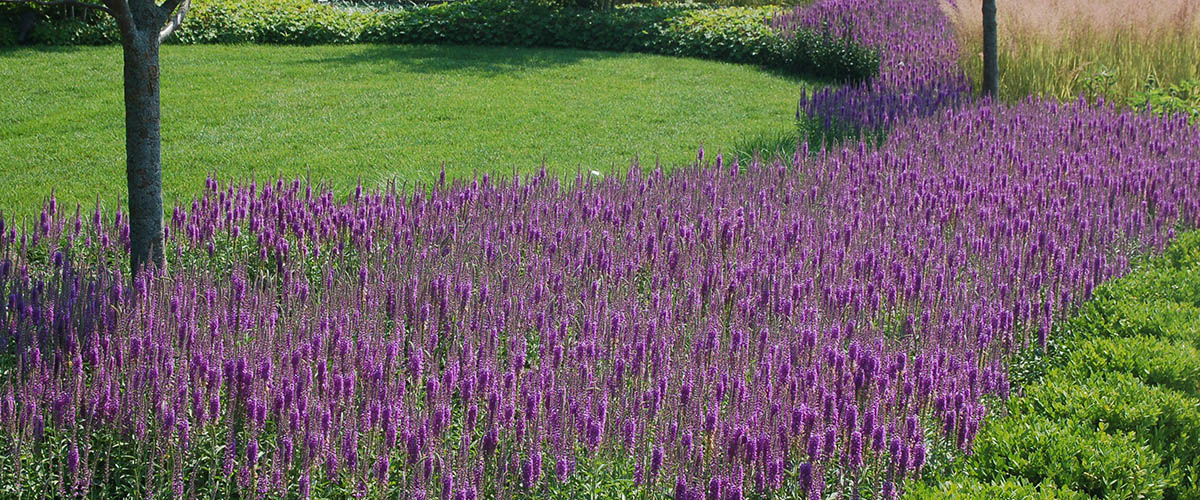
Evaluating Perennials for Chicagoland Gardens
Perennials in Focus is a plant evaluation program that examines new and underused plants for Chicagoland, the third largest metropolitan area in the country. A group of horticultural experts trials and evaluates plants at numerous locations across the region. Results help consumers, public gardens, growers, landscape designers, breeders, and other industry professionals make informed plant choices.
Growing butterfly weed successfully in Chicagoland gardens
Butterfly weed, or Asclepias tuberosa, earns its place in Midwestern gardens with vivid orange flower clusters, strong drought tolerance, and exceptional value for pollinators. It is a long-lived North American perennial that supports monarch caterpillars while supplying nectar to butterflies, bees, and other beneficial insects. Learn more about How To Combine Perennials And Ornamental Grasses For Winter Interest.
Its reputation as an easy native plant is deserved, but “easy” does not mean suitable for every garden bed. In Chicagoland, success depends on matching this prairie and savanna plant with sharp drainage, abundant sun, and patience during its first seasons. The plant often spends more energy establishing its deep root system than producing a large display right away.
Regional trials are especially useful for separating dependable performance from broad claims made for a species across many climates. Perennials in Focus evaluates plants through multiple gardens and seasons, giving local gardeners a more practical basis for choosing native perennials.
What makes butterfly weed distinctive
Butterfly weed forms an upright clump of narrow, lance-shaped leaves. Depending on soil, moisture, and cultivar, mature plants commonly reach about 18 to 30 inches in height and spread roughly 12 to 24 inches. Flat-topped flower clusters appear from early to midsummer, generally in shades of bright orange, though yellow- and orange-red selections are also available.
Unlike some milkweeds, it does not spread aggressively by underground runners. Its thick, woody taproot anchors the plant and helps it withstand summer dryness once established. That root also explains why mature specimens dislike being moved. A container-grown plant is usually easier to establish than a field-dug or frequently transplanted one.
The flowers are rich in nectar, and the seed pods add late-season texture. The foliage is a food source for monarch larvae, although butterfly weed may attract fewer caterpillars than milkweed species with softer, broader leaves. A pollinator garden benefits from including several milkweed types rather than relying on one species.
Finding the right place locally
Full sun is the most important starting point. Choose a location receiving at least six hours of direct light, with more sun preferred for strong stems and abundant flowering. Plants grown in partial shade may survive, but they often become less floriferous and can lean toward neighboring plants.
Drainage matters just as much as sunlight. Sandy, gravelly, or lean soil suits butterfly weed better than heavy clay that stays wet in spring and winter. In a typical Chicagoland clay garden, improve the planting site by incorporating organic matter across a broad area, avoiding a small pocket of rich soil surrounded by compacted ground. A slightly raised bed or a slope can be more helpful than frequent amendments.
Do not position it where roof runoff collects or where irrigation keeps the soil constantly moist. The plant tolerates summer heat once rooted, but saturated winter soil can cause crown and root problems. A thin mulch layer helps moderate temperature and weeds; keep mulch away from the crown to maintain air circulation.
Establishment, flowering, and winter behavior
New plants can appear slow in spring. Butterfly weed is often late to emerge, especially after a cold Chicagoland winter, so mark its location before garden cleanup. Digging or replacing a dormant plant too early is an easy way to mistake delayed growth for winter injury.
Water transplants deeply during their first growing season, allowing the soil to dry somewhat between applications. Regular shallow watering encourages weaker surface roots. After establishment, supplemental irrigation is mainly useful during prolonged drought, flowering, or unusually hot periods.
The upright stems usually remain attractive after bloom, particularly when narrow seed pods mature and split open to release silky seeds. Leave some stems standing through winter for structure and wildlife value. Butterfly weed can contribute to a four-season planting alongside grasses; ideas for combining perennials with ornamental grasses can help integrate its seed heads into a winter display.
How it compares with other milkweeds
Butterfly weed is one member of a larger group of milkweeds, and each species fits a different garden situation. Swamp milkweed prefers consistently moist soil, while common milkweed can become tall and spread more freely. Whorled milkweed is slimmer and better suited to lean, dry sites, though it may be less visually bold in a mixed border.
The comparison below highlights practical distinctions for local planting decisions.
| Milkweed | Typical garden setting | Height and habit | Flower color | Main consideration |
|---|---|---|---|---|
| Butterfly weed (A. tuberosa) | Full sun, dry to average, well-drained soil | 18–30 in., clumping | Orange, sometimes yellow or red-orange | Strong taproot; dislikes moving |
| Swamp milkweed (A. incarnata) | Moist to average soil, rain gardens | 3–5 ft., upright | Pink to mauve, sometimes white | Needs more moisture than butterfly weed |
| Common milkweed (A. syriaca) | Open naturalized areas, average soil | 3–6 ft., spreading | Pink to lavender | Can spread by rhizomes and seed |
| Whorled milkweed (A. verticillata) | Dry prairie or gravelly soil | 1–3 ft., airy | White to greenish white | Delicate form and narrower foliage |
Bloom timing can overlap among species, giving pollinators a longer period of nectar availability. A layered planting may combine butterfly weed near the front, taller swamp milkweed toward the back, and late-blooming companion plants around both. Select based on soil moisture and mature spread rather than flower color alone.
Handling common problems
The most frequent issue is poor drainage, not a lack of fertilizer. Excess nutrients can produce lush foliage and floppy stems without improving flowering. Avoid routine high-nitrogen feeding, and test the soil before adding lime, compost, or other amendments.
Aphids may gather on stems and flower clusters, especially during warm weather. Small populations usually do little lasting harm and provide food for beneficial insects. Strong sprays can damage predators and pollinators, so begin with a water rinse or leave the colony alone if the plant remains vigorous. Remove heavily infested stems only when necessary.
Leaf spot, rust, and occasional crown rot are more likely in crowded or persistently wet conditions. Give plants adequate spacing, water at the soil line, and remove diseased foliage after the season. Wear gloves when handling damaged stems because milkweed sap can irritate skin and is toxic if ingested.
Choosing plants with regional evidence
A local evaluation can reveal details that a species description cannot: whether a plant emerges reliably after winter, how long flowers persist, whether stems remain upright during summer storms, and how much room the mature clump actually needs. These observations are valuable for homeowners as well as growers, designers, retailers, and public gardens.
Perennials in Focus developed around collaborative observation by horticultural professionals across the region. Its program history shows why repeated, local testing matters when gardeners are selecting plants for Chicagoland conditions rather than relying solely on national descriptions.
When buying butterfly weed, choose compact, healthy plants with well-developed roots and no signs of crown rot. Avoid disturbing the root ball during planting. If starting from seed, remember that fresh seed may need a period of cold, moist stratification, and seedlings may take two or more years to flower. Cultivars can offer useful differences in flower color or habit, but confirm their mature size and performance for the intended site.
Practical steps for a stronger planting
Use these guidelines to give Asclepias tuberosa the conditions it prefers:
- Plant in full sun with excellent drainage and enough space for the mature clump.
- Water deeply through the first season, then reduce irrigation as the root system develops.
- Keep fertilizer modest and avoid planting in rich, wet soil.
- Leave some stems and seed pods standing through winter, removing them in late winter or early spring.
- Pair butterfly weed with other native nectar plants and milkweed species to extend resources for pollinators.
A thoughtfully selected companion group might include prairie dropseed, little bluestem, coneflowers, blazing star, asters, and mountain mint. Choose plants with similar light and moisture needs so the bed does not require constant correction. Repeated bloom periods and varied plant heights will make the planting useful to wildlife and attractive to people.
Butterfly weed is most successful when treated as a deep-rooted prairie perennial rather than a thirsty border plant. Give it sun, drainage, time, and room to settle, then evaluate its performance over several seasons. Gardeners can document bloom dates, height, spread, and pollinator activity in their own plots, helping build a clearer picture of which selections thrive locally.
Add Asclepias tuberosa to a suitable Chicagoland site, observe it through the seasons, and use regional trial information to refine the rest of the planting. Its brilliant flowers and durable habit can become a reliable part of a pollinator garden when the plant’s natural preferences guide every decision.
In the Garden
Evaluator gardens are located across the Chicagoland area, representing a range of growing conditions. Visit our retail and wholesale partners to find trialled perennials for your own garden.
Retail & Wholesale: Hinsdale Nurseries (Willowbrook, IL), Mariani Nurseries (Kenosha, WI & Garden Prairie, IL), Northwind Perennials (Burlington, WI), The Growing Place (Aurora, IL).
Wholesale Only: Hinsdale Nurseries (Plano, IL), Intrinsic Perennial Gardens (Hebron, IL).
Our Evaluation Program
The 2017–2020 evaluation cycle included Agastache 'Blue Boa', Allium senescens 'Blue Eddy', Amsonia ciliata var. filifolia 'Georgia Pancake', Astilbe 'Chocolate Shogun', Boltonia astroides 'James Crocket', Brunnera 'Alexander's Great', and Geranium cinereum 'Jolly Jewel Purple'. Completed evaluations include Amsonia 'Blue Ice' (2004–07).
On April 10, 2020, the program published snapshot profiles for Vernonia lettermanii 'Iron Butterfly', Stokesia laevis 'Elf', Stachys officinalis 'Pink Cotton Candy', Lobelia 'Monet Moment', Helleborus 'Winter Thrillers', Geum 'Mai Tai', Geranium soboliferum 'Butterfly Kisses', Gentiana x intermedia 'True Blue', Eurybia divaricata, Asparagus 'Purple Passion', and Agastache 'Bolero'.
Browse the full collection of snapshots organized alphabetically — from A–D, E–H, I–Q, and R–Z — to find detailed performance data on perennials trialled across Chicagoland.