Evaluating Perennials for Chicagoland Gardens
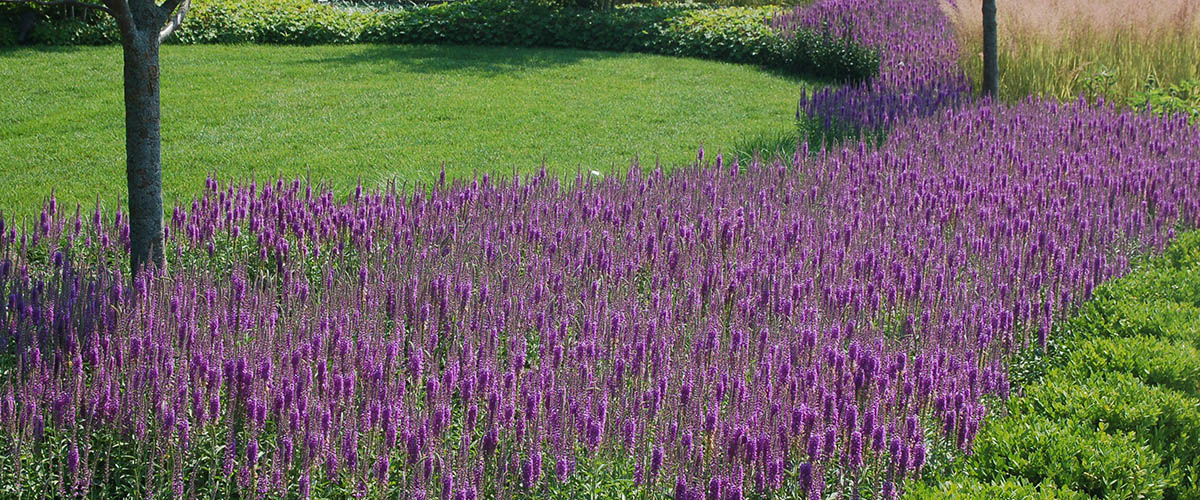
Perennials in Focus is a plant evaluation program that examines new and underused plants for Chicagoland, the third largest metropolitan area in the country. A group of horticultural experts trials and evaluates plants at numerous locations across the region. Results help consumers, public gardens, growers, landscape designers, breeders, and other industry professionals make informed plant choices.
Best Pulmonaria Varieties for Early Spring Color in Chicago
When Chicago gardens are still gray and many perennials remain dormant, lungwort brings a welcome display of flowers and fresh foliage. Pulmonaria is especially valuable in spring borders because it blooms close to the ground, tolerates shade, and continues to provide attractive leaves after the flowers fade.
The genus includes both species and garden hybrids commonly sold as lungwort. Their funnel-shaped flowers may open pink, shift toward blue or violet, or remain white, often appearing in clusters above low mounds of spotted or silver-marked foliage. In the Chicagoland region, these plants are most useful beneath deciduous trees, along north-facing foundations, and at the edge of woodland-style beds.
Cultivar performance can vary with soil, moisture, winter exposure, and the amount of morning or afternoon sun. The strongest choices combine dependable spring flowering with foliage that stays clean and ornamental through summer. The following varieties are useful starting points for gardeners comparing early-season color and long-term garden value.
Why Lungwort Earns A Place In Chicago Gardens
Pulmonaria begins growing early, often forming flower buds before hostas and many other shade perennials have fully emerged. Its flowers provide color during a short seasonal window when pollinators are becoming active and garden beds can look bare. Depending on the cultivar, blossoms range from rosy pink and magenta to lavender-blue, cobalt, and clear white.
The foliage is just as important as the flowers. Many selections produce leaves covered with silver spots, broad silver panels, or a nearly frosted surface. These markings brighten shady planting areas and create contrast with ferns, heucheras, brunnera, hostas, and dark-leaved ground covers.
Lungwort prefers evenly moist, well-drained soil enriched with organic matter. It generally handles clay better when the soil has been improved and excess water can escape. Avoid hot, dry locations beside pavement and avoid saturated winter soil, which can damage crowns and encourage rot.
Standout Cultivars For Early Color
‘Trevi Fountain’ is one of the most recognizable modern lungworts, valued for long, narrow silver leaves and flowers that open pink before developing blue tones. The foliage creates a strong reflective effect in deep shade, while the flower stems provide a cool-toned spring display. It is a practical choice when both bloom and leaf pattern matter.
‘Raspberry Splash’ offers vivid magenta-pink flowers that stand out against green and silver foliage. Its color is warmer and more immediately noticeable than that of blue-flowering cultivars, making it useful near paths or in a mixed spring border. The plant forms a substantial clump over time without becoming an aggressive spreader.
‘Sissinghurst White’ is a fine selection for gardeners who want a crisp, luminous effect. White flowers brighten darker beds and combine well with blue-flowering bulbs, yellow corydalis, and burgundy heucheras. Because white blossoms can be especially visible in shade, this cultivar works well near seating areas and entrances.
‘Opal’ is known for soft, pale blue flowers and silvery foliage. Its restrained coloring suits woodland gardens and pastel combinations, particularly with white narcissus or lavender woodland phlox. ‘Mrs. Moon’ remains a dependable classic, with pink-to-blue flowers and heavily spotted leaves that provide interest after flowering.
How The Main Choices Compare
The following comparison emphasizes traits that matter in a Chicagoland perennial border. Flower timing is generally early spring, though exposure and spring temperatures can shift the display by several weeks. Mature size also depends on soil moisture and the age of the clump.
| Variety | Flower Color | Notable Foliage | Approximate Height | Best Use |
|---|---|---|---|---|
| ‘Trevi Fountain’ | Pink aging to blue | Long, strongly silvered leaves | 10–14 in. | Deep shade and foliage contrast |
| ‘Raspberry Splash’ | Bright raspberry pink | Green leaves with silver markings | 10–14 in. | Vivid spring accents |
| ‘Sissinghurst White’ | Clear white | Green leaves with light spotting | 10–14 in. | Dark shade and refined combinations |
| ‘Opal’ | Pale blue to lilac | Broad silvery leaves | 10–14 in. | Soft woodland palettes |
| ‘Mrs. Moon’ | Pink, blue, and violet | Green leaves with distinct silver spots | 12–16 in. | Traditional shade borders |
| ‘Silver Bouquet’ | Pink, blue, and purple tones | Predominantly silver foliage | 12–16 in. | Brightening low-light beds |
Names and characteristics can differ slightly among nurseries, and some plants are sold under similar descriptions. When purchasing, inspect the plant label and choose a reputable source. A strong specimen should have healthy leaves, a firm crown, and no signs of collapse at the base.
Choosing A Site And Companion Plants
Morning sun or filtered light is usually ideal. Pulmonaria can tolerate more sun when the soil remains consistently moist, but intense afternoon exposure may scorch leaves during Chicago’s hotter summer weather. Under deciduous trees, the plants receive light early in the season and increasing shade as the canopy develops.
Good companions include spring bulbs, epimedium, foamflower, barrenwort, woodland phlox, ferns, hostas, and heucheras. Pairing a silver-leaved lungwort with dark foliage creates definition, while white-flowered selections can visually open a shaded corner. Leave enough space for air circulation rather than placing crowns tightly against one another.
Lungwort is frequently chosen for gardens where deer browse is a concern, although no perennial should be treated as completely deer-proof. Removing tired flower stems after bloom helps keep the clump tidy. If older leaves become ragged later in the season, trim them back selectively or refresh the entire plant after new growth begins.
Planting And Seasonal Care In Northern Illinois
Plant lungwort in spring or early fall, setting the crown at the same depth it occupied in its container. Water deeply after planting and maintain regular moisture during the first growing season. A thin layer of compost or leaf mold can improve soil structure, but keep mulch away from the crown to reduce the risk of rot.
Established plants are generally hardy in the Chicago area, especially when placed in well-drained soil and protected from severe winter exposure. Pulmonaria does not need the same treatment as a tender perennial, but gardeners caring for mixed containers or borderline plants may find this guide to overwintering tender perennials useful when planning the wider garden.
In late winter or very early spring, remove damaged leaves before flower stems rise. This exposes the new growth and reduces the chance that old foliage will conceal emerging buds. During dry stretches, water deeply at the root zone rather than wetting the leaves repeatedly.
A Practical Shortlist For Different Garden Goals
No single lungwort is best for every planting. The right selection depends on whether the priority is strong flower color, bright foliage, a traditional form, or a white-flowered accent. Consider these pairings when narrowing the choices:
- Choose ‘Trevi Fountain’ for a cool blue display and highly reflective foliage in deep shade.
- Choose ‘Raspberry Splash’ when vivid pink flowers need to carry attention in an early spring border.
- Choose ‘Sissinghurst White’ for a clean, bright accent beneath trees or beside a shaded entry.
- Choose ‘Mrs. Moon’ for a proven-looking classic with traditional spotted leaves and changing flower color.
- Choose ‘Silver Bouquet’ when silver foliage is more important than a single dominant flower shade.
For a larger bed, combine two cultivars with different flower colors but similar mature heights. Repeating a selection in several small groups usually creates a stronger visual effect than placing one plant in each corner. Allow clumps to expand naturally, then divide them in spring after flowering or in early fall if they become crowded.
Making Pulmonaria Part Of A Long-Season Border
Lungwort is most effective when treated as the first layer of a succession of seasonal interest. Its flowers lead into the displays of columbine, geranium, iris, and woodland perennials, while its silver or spotted leaves continue to anchor the composition after spring bloom. This extended foliage value makes it more useful than a short-lived bulb display alone.
For Chicago gardeners, evaluate a cultivar across more than its first flush of flowers. Look for a plant that emerges reliably, holds its foliage without severe scorch, and remains proportionate beside its companions. Regional observations from multiple gardens can help identify which selections maintain these qualities under differing soil and exposure conditions.
Start with one or two varieties that match the conditions already present in the garden, then repeat the strongest performer in nearby shade beds. With suitable moisture, thoughtful spacing, and a companion planting plan, lungwort can turn the earliest weeks of the Chicago gardening season into a period of deliberate, dependable color.
In the Garden
Evaluator gardens are located across the Chicagoland area, representing a range of growing conditions. Visit our retail and wholesale partners to find trialled perennials for your own garden.
Retail & Wholesale: Hinsdale Nurseries (Willowbrook, IL), Mariani Nurseries (Kenosha, WI & Garden Prairie, IL), Northwind Perennials (Burlington, WI), The Growing Place (Aurora, IL).
Wholesale Only: Hinsdale Nurseries (Plano, IL), Intrinsic Perennial Gardens (Hebron, IL).
Our Evaluation Program
The 2017–2020 evaluation cycle included Agastache 'Blue Boa', Allium senescens 'Blue Eddy', Amsonia ciliata var. filifolia 'Georgia Pancake', Astilbe 'Chocolate Shogun', Boltonia astroides 'James Crocket', Brunnera 'Alexander's Great', and Geranium cinereum 'Jolly Jewel Purple'. Completed evaluations include Amsonia 'Blue Ice' (2004–07).
On April 10, 2020, the program published snapshot profiles for Vernonia lettermanii 'Iron Butterfly', Stokesia laevis 'Elf', Stachys officinalis 'Pink Cotton Candy', Lobelia 'Monet Moment', Helleborus 'Winter Thrillers', Geum 'Mai Tai', Geranium soboliferum 'Butterfly Kisses', Gentiana x intermedia 'True Blue', Eurybia divaricata, Asparagus 'Purple Passion', and Agastache 'Bolero'.
Browse the full collection of snapshots organized alphabetically — from A–D, E–H, I–Q, and R–Z — to find detailed performance data on perennials trialled across Chicagoland.