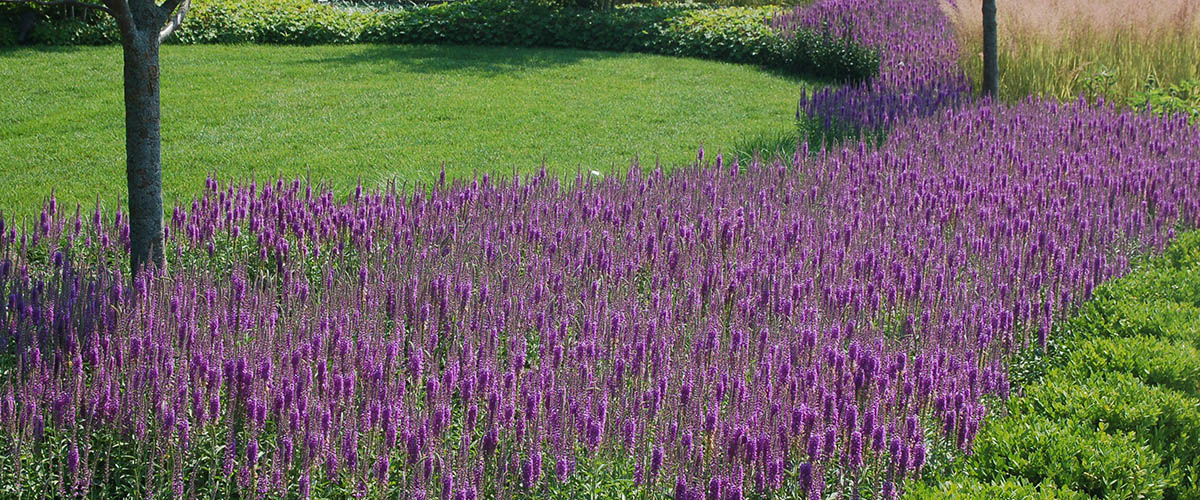
Evaluating Perennials for Chicagoland Gardens
Perennials in Focus is a plant evaluation program that examines new and underused plants for Chicagoland, the third largest metropolitan area in the country. A group of horticultural experts trials and evaluates plants at numerous locations across the region. Results help consumers, public gardens, growers, landscape designers, breeders, and other industry professionals make informed plant choices.
Testing perennial longevity in Chicago community gardens
Community gardens are living laboratories for perennial plants. A successful planting must survive winter, recover from temperature swings, compete with neighboring plants, and still look attractive after several growing seasons. In Chicago, that test is especially demanding because beds may experience frozen soil, rapid thaws, summer heat, drought, heavy rain, and compacted urban ground within the same year.
Longevity means more than a plant returning after winter. A durable perennial maintains a healthy crown, produces reliable foliage and flowers, holds its intended height and spread, and remains manageable in a shared space. These qualities matter to gardeners working with limited budgets, volunteers, and small plots where replacing failed plants is difficult.
A structured evaluation can turn observations into useful regional knowledge. By tracking plant survival and performance across multiple community gardens, growers can distinguish a genuinely persistent perennial from one that simply makes an impressive first-season display.
What longevity means in an urban garden
The first measure is persistence: whether a plant survives from one growing season to the next. Yet survival alone can be misleading. A perennial may technically return while producing fewer stems, a smaller canopy, or little bloom. Evaluators should record both winter survival and the vigor of regrowth in spring.
A long-lived planting should also retain a useful form. Plants that flop into paths, spread aggressively into neighboring plots, or develop bare centers may create maintenance problems even when they remain alive. In a community setting, dependable structure is as important as flower color.
Longevity can be assessed through several connected observations:
- Survival after winter and late spring freezes
- Speed and strength of spring emergence
- Consistency of bloom period and flower production
- Resistance to drought, flooding, pests, and disease
- Stability of height, spread, and habit over time
- Ease of division, cleanup, and seasonal maintenance
Chicago conditions that shape perennial performance
Urban soil is rarely uniform. A community garden may contain amended loam in one bed, compacted clay in another, and rubble-filled soil near a former building site. Drainage can change dramatically over only a few feet. Before judging a plant, evaluators should document soil texture, organic matter, moisture patterns, sun exposure, and whether irrigation is reliable.
Microclimates also influence results. A south-facing wall can increase heat and drought stress, while shade from mature trees may delay spring growth and reduce flowering. Snow cover, wind exposure, salt from nearby sidewalks, and reflected heat from pavement can all affect overwintering. Recording these conditions helps separate plant genetics from site-specific stress.
Chicago community gardens often depend on volunteers who cannot water every bed at the same frequency. For that reason, drought tolerance and recovery deserve special attention. A plant that wilts during a short dry period but rebounds quickly may be more useful than one requiring constant irrigation to maintain a perfect appearance.
Building a useful multi-year trial
A credible trial begins with consistent planting information. Each entry should include cultivar or species name, planting date, source, bed location, spacing, soil preparation, and neighboring plants. Photographs taken from the same angle several times each season can reveal gradual decline that casual notes may miss.
The first year should be treated as an establishment period rather than a final verdict. Many perennials invest energy in roots before producing their strongest display. In the second and third years, evaluators can compare crown size, flowering reliability, disease pressure, and the amount of maintenance required.
The following framework keeps records practical for gardeners and useful to professionals:
| Measure | What to record | Why it matters |
|---|---|---|
| Winter survival | Dead, partial, or full return | Shows regional hardiness and recovery |
| Spring vigor | Emergence date and stem strength | Indicates establishment and crown health |
| Flowering | Start, duration, abundance, and color | Reveals ornamental reliability |
| Plant form | Height, spread, lodging, and bare centers | Predicts fit for shared beds |
| Stress response | Drought, flooding, pests, and disease | Shows resilience under variable care |
| Maintenance | Staking, deadheading, dividing, and cleanup | Reflects long-term labor needs |
To make comparisons fair, use a simple rating scale and define each score in advance. A rating of five for winter survival, for example, might mean full emergence with no visible injury, while a rating of two could indicate weak regrowth requiring replacement consideration. Consistency matters more than complicated scoring.
Reading survival data across seasons
One harsh winter can reveal useful information, but it should not determine a plant’s entire reputation. Weather varies considerably from year to year, and snow cover may protect crowns during one winter while an exposed freeze damages them during another. Multi-season observations provide a stronger basis for selecting plants for Chicago gardens.
Patterns are often more informative than individual failures. If a plant survives in several gardens with different soils and exposure, it has stronger evidence of regional adaptability. If it performs well only in irrigated, well-drained beds, that limitation should be recorded rather than hidden.
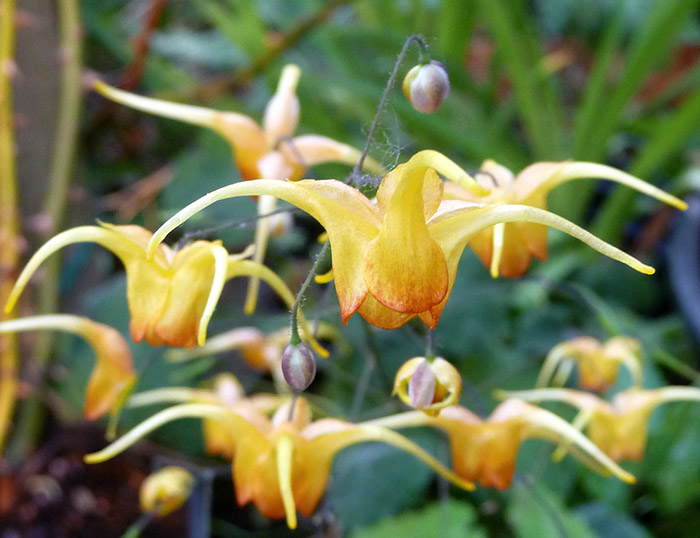
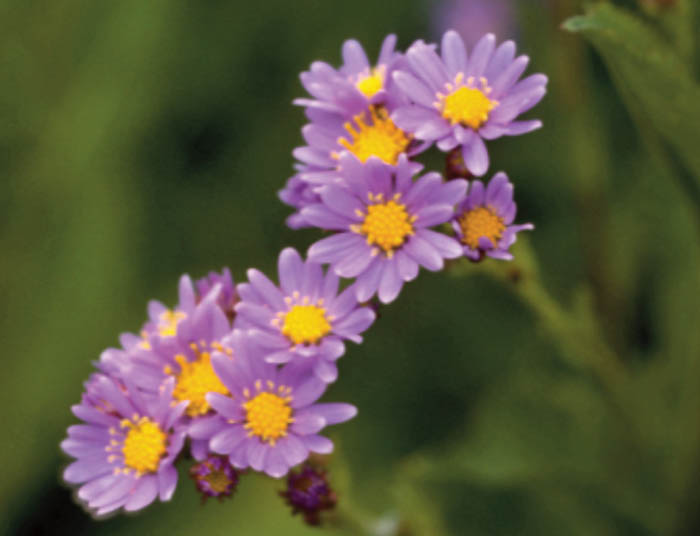
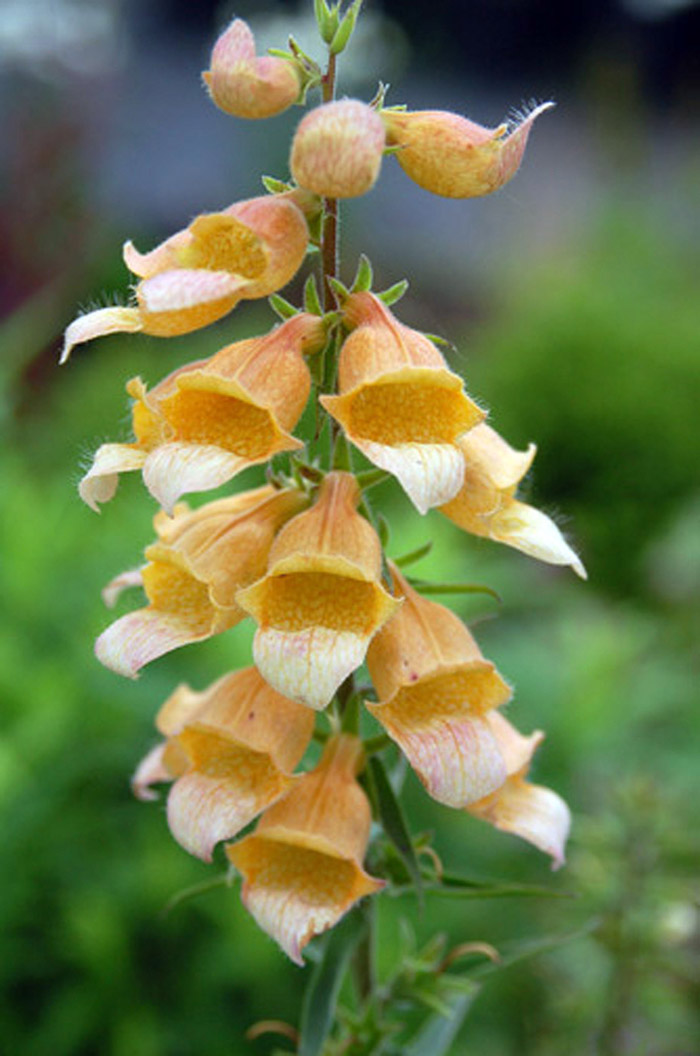
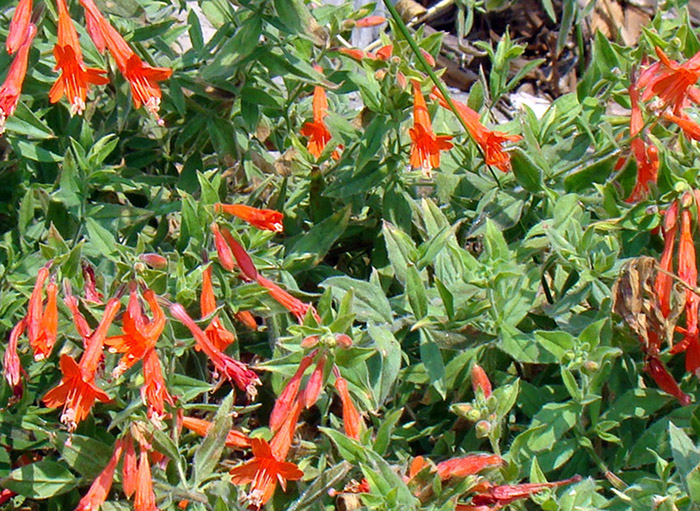
The timing of decline is also valuable. A perennial that looks strong in spring but collapses during midsummer may need more moisture than expected. Another may flower beautifully in June and then develop disease in humid weather. Garden notes should capture these changes instead of relying on a single peak-season photograph. A searchable collection of plant snapshots can complement local trial records by helping evaluators compare identifying traits and seasonal appearance.
Separating plant quality from garden management
Management has a major effect on apparent longevity. Mulch depth, watering frequency, division practices, weed competition, and the timing of spring cleanup can all change results. Trial sites should use broadly similar care where possible, while still documenting unavoidable differences.
Overwatering can be as damaging as drought, particularly for crowns planted in heavy soil. Poor air circulation may increase foliar disease, while excessive fertilizer can encourage weak growth. A plant that fails under one management style may perform well when matched with better drainage or a more suitable spacing plan.
Community gardens also introduce social and operational factors. Beds may be weeded by different people, paths may be widened, or plants may be moved to accommodate annual crops. Records should note these events. A perennial that tolerates occasional disturbance may be a better community-garden choice than one that requires a carefully controlled border.
Using trial results for better plant choices
The most useful outcome is not a universal winner but a clear description of where each perennial succeeds. A compact, long-lived plant may suit a narrow border, while a spreading species could be valuable for erosion control or a large pollinator bed. Evaluators should connect plant behavior to a specific landscape role.
Results can guide purchasing decisions for gardeners, retailers, public gardens, and landscape professionals. They can also help breeders identify traits worth advancing, such as strong crown survival, extended flowering, disease resistance, or a stable habit under low-input care. Region-specific evidence is especially valuable when catalog descriptions offer only broad hardiness information.
When reviewing perennial trial results, prioritize these practices:
- Compare plants across at least three growing seasons when possible.
- Record site conditions alongside survival and flowering observations.
- Judge mature spread before placing plants in narrow community plots.
- Track labor needs, including staking, division, deadheading, and cleanup.
- Share failures as carefully as successes so future selections improve.
A planting that remains attractive and manageable over time provides greater value than one that delivers a spectacular first season and declines soon afterward. Long-term records also make replacement decisions more deliberate. Instead of choosing whatever is available at the garden center, organizers can select plants with evidence of performance in comparable Chicago conditions.
Testing perennial longevity in community gardens turns routine observation into practical horticultural knowledge. Each spring emergence, summer stress response, and autumn cleanup adds to a regional picture of what truly lasts. Garden teams can strengthen that picture by documenting their beds, comparing results, and contributing observations to collaborative perennial evaluation efforts. Start with a small group of well-labeled plants this season, then continue the records long enough for survival, vigor, and maintenance patterns to become clear.
In the Garden
Evaluator gardens are located across the Chicagoland area, representing a range of growing conditions. Visit our retail and wholesale partners to find trialled perennials for your own garden.
Retail & Wholesale: Hinsdale Nurseries (Willowbrook, IL), Mariani Nurseries (Kenosha, WI & Garden Prairie, IL), Northwind Perennials (Burlington, WI), The Growing Place (Aurora, IL).
Wholesale Only: Hinsdale Nurseries (Plano, IL), Intrinsic Perennial Gardens (Hebron, IL).
Our Evaluation Program
The 2017–2020 evaluation cycle included Agastache 'Blue Boa', Allium senescens 'Blue Eddy', Amsonia ciliata var. filifolia 'Georgia Pancake', Astilbe 'Chocolate Shogun', Boltonia astroides 'James Crocket', Brunnera 'Alexander's Great', and Geranium cinereum 'Jolly Jewel Purple'. Completed evaluations include Amsonia 'Blue Ice' (2004–07).
On April 10, 2020, the program published snapshot profiles for Vernonia lettermanii 'Iron Butterfly', Stokesia laevis 'Elf', Stachys officinalis 'Pink Cotton Candy', Lobelia 'Monet Moment', Helleborus 'Winter Thrillers', Geum 'Mai Tai', Geranium soboliferum 'Butterfly Kisses', Gentiana x intermedia 'True Blue', Eurybia divaricata, Asparagus 'Purple Passion', and Agastache 'Bolero'.
Browse the full collection of snapshots organized alphabetically — from A–D, E–H, I–Q, and R–Z — to find detailed performance data on perennials trialled across Chicagoland.