Evaluating Perennials for Chicagoland Gardens
Perennials in Focus is a plant evaluation program that examines new and underused plants for Chicagoland, the third largest metropolitan area in the country. A group of horticultural experts trials and evaluates plants at numerous locations across the region. Results help consumers, public gardens, growers, landscape designers, breeders, and other industry professionals make informed plant choices.
Perennials That Handle Humid Chicago Summers
Choosing perennials that resist powdery mildew in humid Chicago summers starts with recognizing the conditions that favor the disease. Warm days, humid nights, crowded borders, and poor air movement can leave foliage damp long enough for white fungal growth to develop. A plant may perform well in one garden and struggle in another because exposure, spacing, and irrigation all influence disease pressure.
For home gardeners and landscape professionals, the best choices are not necessarily plants that can never develop mildew. They are dependable perennials with clean foliage, strong growth, and a record of tolerating the region’s hot, unsettled summer weather. Local evaluation is especially useful because nursery descriptions often reflect performance in a different climate.
Plant trials across the Chicagoland region can reveal which selections maintain attractive foliage through July and August, when disease symptoms become most noticeable. Bloom duration, mature spread, and recovery after stress matter just as much as a plant’s initial spring appearance.
Why summer conditions encourage mildew
Powdery mildew is favored by warm temperatures and humid air, particularly when nights are muggy and leaves remain shaded from morning until afternoon. Unlike many leaf diseases, the fungi responsible do not require standing water on the foliage. A dense canopy with limited air circulation may be enough.
Chicago’s weather can create repeated cycles of stress. Plants may experience dry soil during a hot spell, followed by heavy rain and high humidity. Crowded stems, excessive nitrogen, and frequent overhead watering can produce soft, lush growth that is especially vulnerable.
Site design is therefore part of disease prevention. A mildew-tolerant cultivar planted in a cramped bed may perform worse than a moderately resistant plant placed where breezes can pass through. Correct spacing, morning irrigation, and selective thinning often make a visible difference.
Dependable choices for sunny borders
Several sun-loving perennials are naturally good candidates for low-mildew plantings. Catmint, Russian sage, yarrow, threadleaf coreopsis, blanket flower, and many ornamental grasses generally maintain healthy foliage when grown in well-drained soil. Their open forms also allow air to move between stems.
Garden phlox and bee balm deserve closer attention because the species can be associated with powdery mildew, yet improved selections vary widely in performance. Look for cultivars specifically described as mildew resistant, such as ‘Jeana’ phlox or compact bee balm from breeding lines selected for cleaner foliage. Even resistant plants benefit from full sun and adequate spacing.
Daylilies are another practical choice for summer color, especially where gardeners want a broad range of flower forms and repeat bloom. For a closer look at how regional evaluators assess repeat flowering, explore these reblooming daylily trials. Healthy daylily foliage is usually a lower-risk background for mixed borders, although poor drainage and dense planting can still create other problems.
Strong performers for partial shade
Part-shade gardens require a different strategy because reduced sunlight can increase humidity around leaves. Lungwort, also called Pulmonaria, is a useful early-season perennial with patterned foliage and spring flowers. It typically finishes its main display before the hottest part of summer, and many selections remain attractive when cut back after flowering.
Certain heucheras, brunnera, and woodland sedges can provide dependable foliage without creating the dense, mildew-prone canopy associated with some tall summer bloomers. Their performance depends on good drainage and moderate moisture. Plants sitting in wet soil may decline even if their leaves remain free of powdery mildew.
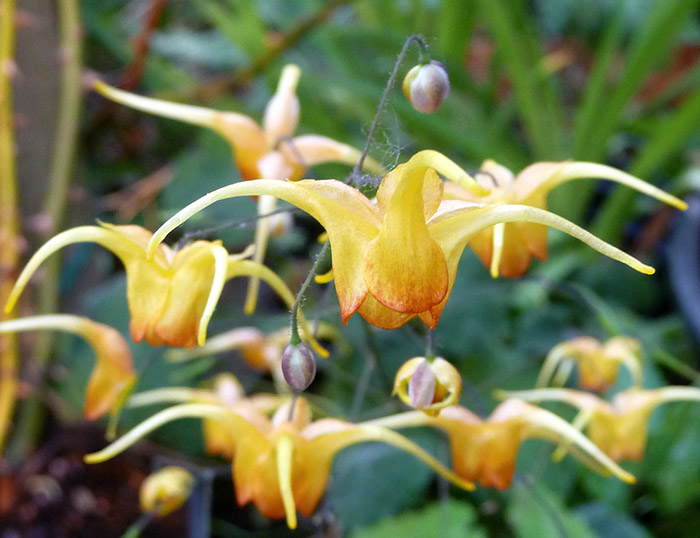
Where a taller flowering plant is needed, consider Baptisia, barrenwort, or selected woodland phlox for appropriate sites. These plants bring structure or seasonal color without requiring the consistently moist, crowded conditions that can make disease management difficult. A little morning sun is often helpful in a Chicago garden with afternoon shade.
How to read regional plant evaluations
A regional trial offers more useful information than a generic hardiness rating. Hardiness indicates whether a plant can survive winter; it does not explain how the foliage looks after a wet June, a heat wave, or several humid nights. Evaluation notes can reveal whether a cultivar flowers reliably, flops, rebounds after pruning, or develops disease late in the season.
Look for repeated observations across more than one garden or year. A plant that stays clean in a sunny, breezy trial bed may still need extra attention in a sheltered courtyard. Conversely, a selection that performs well across different exposures is more likely to be a reliable recommendation for varied landscapes.
The regional plant snapshots can help gardeners compare characteristics such as mature height, spread, bloom timing, and overall garden value. Those details make it easier to select plants that will fit a border without becoming overcrowded after two or three growing seasons.
Comparing lower-risk perennial options
The following plants are useful starting points for a Chicago landscape where powdery mildew is a concern. “Lower risk” does not mean immune, and cultivar, site, and weather can change results.
| Perennial or plant group | Best exposure | Seasonal interest | Mildew considerations | Useful landscape role |
|---|---|---|---|---|
| Catmint | Full sun | Late spring through summer | Usually clean in airy, dry conditions | Edging, pollinator beds |
| Yarrow | Full sun | Summer flowers and seed heads | Low concern when soil drains well | Massing, cut flowers |
| Daylily | Sun to light shade | Summer flowers, some repeat bloom | Generally dependable foliage | Large borders, slopes |
| Garden phlox selections | Full sun | Mid- to late-summer flowers | Choose tested resistant cultivars | Cottage gardens, screens |
| Bee balm selections | Full sun to light shade | Summer flowers for pollinators | Resistance varies greatly by cultivar | Informal masses |
| Pulmonaria | Part shade | Spring flowers and foliage | Usually past peak before humid summer | Woodland edges |
| Heuchera selections | Part shade | Foliage from spring to fall | Avoid dense, poorly ventilated planting | Front-of-border texture |
| Ornamental grasses | Sun to part shade | Foliage, seed heads, winter structure | Typically low foliar disease concern | Contrast and screening |
Planting several of these groups together can create a more resilient border than relying on one highly susceptible favorite. The mix also spreads bloom time, so the garden does not depend on a single species to carry the display through summer.
Design habits that keep foliage cleaner
Even resistant perennials benefit from basic cultural care. Begin with healthy plants and avoid installing them too closely according to their mature width. A bed that looks sparse in the first year may develop excellent coverage later, while an overplanted bed can become difficult to manage by midsummer.
- Give sun-loving plants at least the light they need to dry foliage quickly.
- Water at the soil line in the morning rather than wetting leaves overnight.
- Avoid excessive nitrogen, which can produce soft, crowded growth.
- Thin or divide congested clumps to improve air circulation.
- Remove heavily infected leaves and clean up fallen debris at the end of the season.
Pruning can also be useful, but timing matters. Cutting back bee balm or phlox after an early flush may encourage fresh growth, yet severe pruning during hot, dry weather can stress the plant. Monitor moisture at the root zone and use a modest organic mulch layer without burying crowns or stems.
A low-disease planting should still support the broader goals of the garden. Flowers for bees, seed heads for birds, winter structure, and varied textures all contribute to performance. The strongest regional recommendations balance clean foliage with ornamental value rather than treating disease resistance as the only selection criterion.
Use Chicagoland trial findings to narrow the field, then match each perennial to its site, mature dimensions, and seasonal role. Explore evaluated plant profiles, compare cultivars at local nurseries, and record how your own garden performs through the next humid summer.
In the Garden
Evaluator gardens are located across the Chicagoland area, representing a range of growing conditions. Visit our retail and wholesale partners to find trialled perennials for your own garden.
Retail & Wholesale: Hinsdale Nurseries (Willowbrook, IL), Mariani Nurseries (Kenosha, WI & Garden Prairie, IL), Northwind Perennials (Burlington, WI), The Growing Place (Aurora, IL).
Wholesale Only: Hinsdale Nurseries (Plano, IL), Intrinsic Perennial Gardens (Hebron, IL).
Our Evaluation Program
The 2017–2020 evaluation cycle included Agastache 'Blue Boa', Allium senescens 'Blue Eddy', Amsonia ciliata var. filifolia 'Georgia Pancake', Astilbe 'Chocolate Shogun', Boltonia astroides 'James Crocket', Brunnera 'Alexander's Great', and Geranium cinereum 'Jolly Jewel Purple'. Completed evaluations include Amsonia 'Blue Ice' (2004–07).
On April 10, 2020, the program published snapshot profiles for Vernonia lettermanii 'Iron Butterfly', Stokesia laevis 'Elf', Stachys officinalis 'Pink Cotton Candy', Lobelia 'Monet Moment', Helleborus 'Winter Thrillers', Geum 'Mai Tai', Geranium soboliferum 'Butterfly Kisses', Gentiana x intermedia 'True Blue', Eurybia divaricata, Asparagus 'Purple Passion', and Agastache 'Bolero'.
Browse the full collection of snapshots organized alphabetically — from A–D, E–H, I–Q, and R–Z — to find detailed performance data on perennials trialled across Chicagoland.