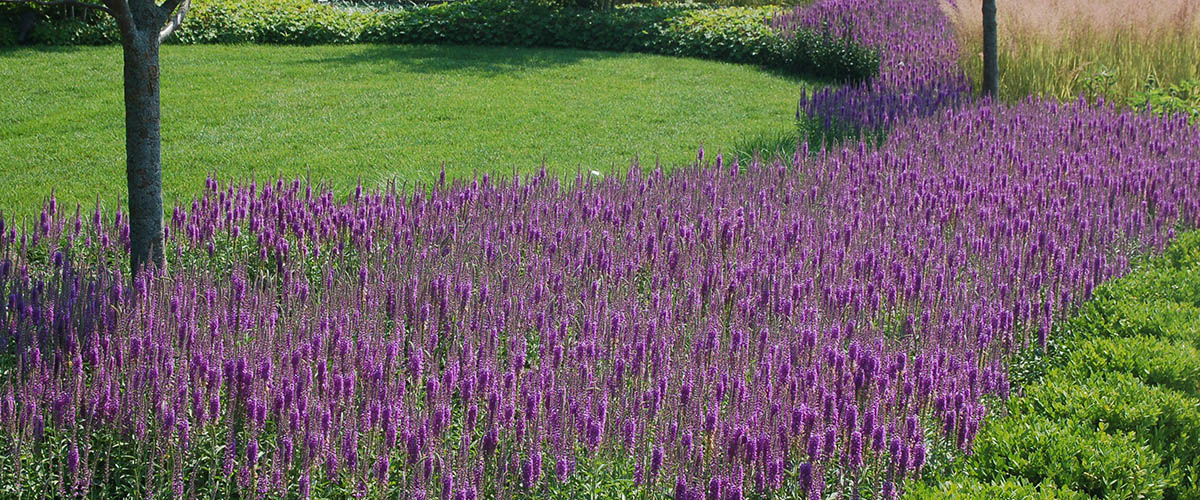
Evaluating Perennials for Chicagoland Gardens
Perennials in Focus is a plant evaluation program that examines new and underused plants for Chicagoland, the third largest metropolitan area in the country. A group of horticultural experts trials and evaluates plants at numerous locations across the region. Results help consumers, public gardens, growers, landscape designers, breeders, and other industry professionals make informed plant choices.
Perennials That Feed Winter Birds In Urban Gardens
Perennials that provide winter food for birds in urban settings can turn a small garden into a dependable cold-season feeding ground. While many birds rely on insects during warmer months, seeds and persistent fruits become especially important after frost, snowfall, and the disappearance of annual weeds.
A productive bird garden does not need to look untidy or occupy a large naturalistic meadow. Thoughtfully selected coneflowers, asters, ornamental grasses, goldenrods, and other long-lived plants can offer food, cover, and landing places while still fitting into a residential border or shared public landscape.
Regional performance matters in the Chicago area. Plants must withstand fluctuating temperatures, heavy snow, summer heat, compacted soil, and occasional winter salt exposure. Observations from the evaluation team can help identify plants that provide lasting structure and reliable seed production under local conditions.
Why Seedheads Matter After Frost
Many birds feed on the mature seeds held in dried flower heads. American goldfinches often visit coneflowers and black-eyed Susans, while house finches, dark-eyed juncos, native sparrows, and chickadees may forage among grasses and composite flowers. The value of a perennial therefore extends beyond its bloom period.
Leaving stems standing through winter allows seeds to ripen naturally and gives birds access during periods when the ground is frozen. Upright stalks also catch windblown snow, creating sheltered pockets near the soil surface. Insects overwintering inside hollow stems provide an additional food source for birds that glean rather than crack seeds.
A strong planting combines plants with different seed sizes and heights. Dense grasses support ground-feeding sparrows, while tall seedheads give finches elevated perches. Broad, sturdy stems can remain visible above snow, helping birds locate food when low vegetation is buried.
Reliable Perennials For Chicagoland Gardens
Purple coneflower, black-eyed Susan, and stiff sunflower are familiar choices because their seedheads remain useful long after petals fade. Their coarse forms hold seeds into fall and winter, especially when gardeners delay cutting them back. Coneflowers also tolerate sun and periodic dryness once established.
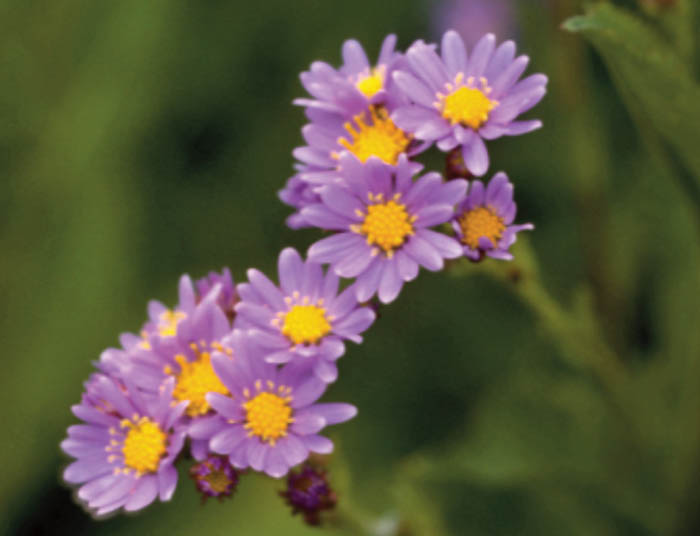
Native asters and goldenrods extend the seasonal food supply. Their numerous small seeds are valuable to finches and sparrows, and their late flowers support pollinators before winter arrives. Aromatic aster, smooth aster, and showy goldenrod can bring a durable vertical layer to a sunny border, although mature height and spread should be matched to the available space.
Perennial grasses add another dimension. Little bluestem, prairie dropseed, switchgrass, and Indian grass produce seeds and shelter while retaining attractive foliage and stems. Switchgrass is particularly useful where a more substantial winter screen is needed, while prairie dropseed suits smaller, formally designed spaces.
Plant Choices At A Glance
The best selection depends on soil, sunlight, mature size, and the birds most likely to use the site. Plants with persistent seedheads should be distributed through the garden rather than concentrated in one bed, creating several feeding stations and reducing competition.
| Perennial | Winter food or habitat value | Typical site | Design note |
|---|---|---|---|
| Purple coneflower | Seeds for finches and sparrows | Full sun, average soil | Strong, upright seedheads |
| Black-eyed Susan | Small seeds and winter structure | Full sun, adaptable soil | Useful in mass plantings |
| Stiff sunflower | Abundant seed production | Full sun, well-drained soil | Tall accent for the back of a border |
| Aromatic aster | Late-season seeds and cover | Full sun, dry to average soil | Compact compared with many asters |
| Goldenrod | Seeds, insects, and vertical structure | Full sun, average to moist soil | Choose a restrained cultivar for small gardens |
| Little bluestem | Seeds and low winter shelter | Full sun, dry to average soil | Blue summer foliage turns coppery |
| Switchgrass | Seeds, cover, and snow-catching stems | Full sun, average soil | Good for screening and larger beds |
| Prairie dropseed | Seedheads and dense basal cover | Full sun, well-drained soil | Refined form for urban landscapes |
No single perennial feeds every bird equally well. A mixed planting provides a broader food web, particularly when seed-bearing flowers are paired with grasses and plants that support overwintering insects. This diversity also helps protect the garden from a single pest, disease, or weather event affecting the entire food supply.
Designing For Small Urban Spaces
Urban gardens often have narrow setbacks, foundation beds, balconies with large containers, or community plots where every plant must earn its place. A layered arrangement solves this constraint. Place shorter seed-producing perennials near paths, medium plants in the center, and taller grasses or sunflowers at the rear or along a fence.
Containers can support compact coneflowers, asters, and ornamental grasses, though they require greater attention to winter moisture and root protection. Large containers are more reliable than small ones because they insulate roots from rapid temperature changes. Drainage is essential; soggy winter soil can be more damaging than cold.
Avoid placing all bird-friendly plants beside a frequently salted sidewalk or driveway. Salt spray and contaminated snow can injure crowns and reduce seed production. Where exposure cannot be avoided, use a buffer of hardscape-tolerant plants and keep valuable seedheads farther from the route of runoff.
The collaborative program committee brings together perspectives that are useful when evaluating how plants perform across different garden conditions. That kind of regional observation is especially helpful for choosing perennials that remain upright, healthy, and productive in built environments.
Maintenance That Keeps Food Available
Timing is central to winter bird habitat. Resist the urge to cut every perennial to the ground in autumn. Leave seedheads and stems standing until late winter or early spring, when birds have had access to the remaining food and overwintering insects have completed much of their life cycle.
A selective cleanup is often better than a complete clearing. Remove diseased material, broken branches, or stems that create a safety concern, but retain healthy stalks in clusters. Cutting some plants to different heights creates varied shelter and keeps the garden visually intentional.
Avoid treating a planting as a bird feeder that requires constant tidiness. Fallen seeds beneath plants are part of the system, and light leaf litter protects insects and soil organisms. If a formal appearance is important, define the bed with a clean edge, repeat plant groupings, and remove only material that interferes with paths or sightlines.
Water should also be considered. Birds need unfrozen drinking and bathing opportunities, but shallow water must be refreshed and cleaned frequently. Place a basin near shrubs or grasses that offer quick cover, while keeping it away from heavy pedestrian traffic and areas where domestic cats can hide.
Recommendations For A Bird-Ready Border
- Combine two or more seed-bearing perennials with at least one perennial grass.
- Leave healthy stems and seedheads in place until late winter or early spring.
- Match mature height and spread to the garden so plants remain accessible rather than overcrowded.
- Keep salt-laden snow, herbicide drift, and heavily compacted soil away from primary feeding areas.
- Use regional trial information to prioritize plants that maintain structure and seed production in Chicagoland.
Make The Garden Work Through Winter
A winter bird garden is built during the growing season, when plants establish roots, flower, set seed, and create shelter. By choosing resilient perennials and allowing their natural forms to remain, an urban landscape can support birds during the leanest part of the year without sacrificing design quality.
Start with one sunny bed, replace a portion of an overly tidy planting, or add a large container with a compact grass and seed-bearing perennial. Track which plants remain upright, which produce the most seed, and which birds visit. Use those observations to refine future plantings and share useful results with gardeners, growers, and landscape professionals across the region.
In the Garden
Evaluator gardens are located across the Chicagoland area, representing a range of growing conditions. Visit our retail and wholesale partners to find trialled perennials for your own garden.
Retail & Wholesale: Hinsdale Nurseries (Willowbrook, IL), Mariani Nurseries (Kenosha, WI & Garden Prairie, IL), Northwind Perennials (Burlington, WI), The Growing Place (Aurora, IL).
Wholesale Only: Hinsdale Nurseries (Plano, IL), Intrinsic Perennial Gardens (Hebron, IL).
Our Evaluation Program
The 2017–2020 evaluation cycle included Agastache 'Blue Boa', Allium senescens 'Blue Eddy', Amsonia ciliata var. filifolia 'Georgia Pancake', Astilbe 'Chocolate Shogun', Boltonia astroides 'James Crocket', Brunnera 'Alexander's Great', and Geranium cinereum 'Jolly Jewel Purple'. Completed evaluations include Amsonia 'Blue Ice' (2004–07).
On April 10, 2020, the program published snapshot profiles for Vernonia lettermanii 'Iron Butterfly', Stokesia laevis 'Elf', Stachys officinalis 'Pink Cotton Candy', Lobelia 'Monet Moment', Helleborus 'Winter Thrillers', Geum 'Mai Tai', Geranium soboliferum 'Butterfly Kisses', Gentiana x intermedia 'True Blue', Eurybia divaricata, Asparagus 'Purple Passion', and Agastache 'Bolero'.
Browse the full collection of snapshots organized alphabetically — from A–D, E–H, I–Q, and R–Z — to find detailed performance data on perennials trialled across Chicagoland.