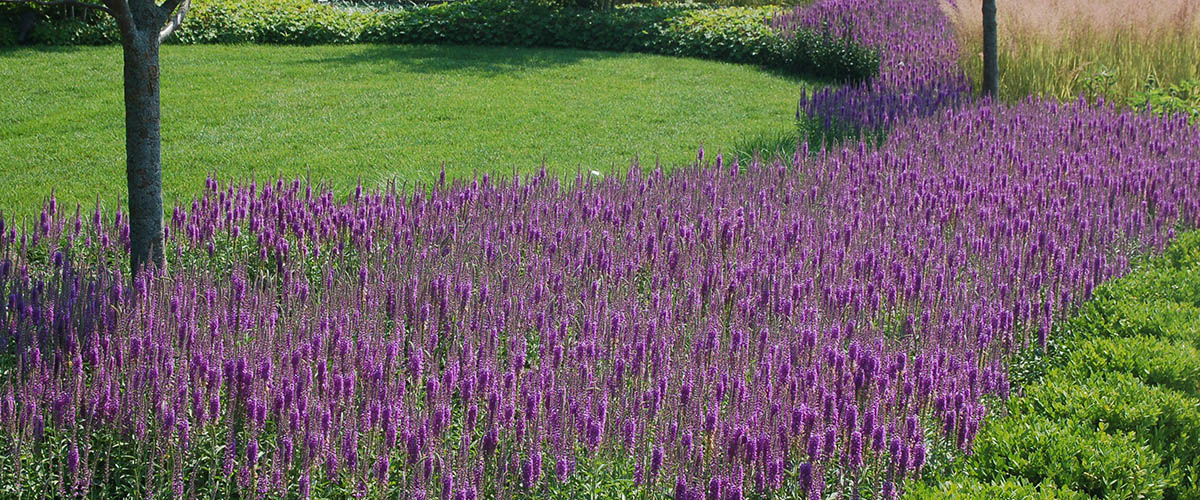
Evaluating Perennials for Chicagoland Gardens
Perennials in Focus is a plant evaluation program that examines new and underused plants for Chicagoland, the third largest metropolitan area in the country. A group of horticultural experts trials and evaluates plants at numerous locations across the region. Results help consumers, public gardens, growers, landscape designers, breeders, and other industry professionals make informed plant choices.
Early Spring Perennials For Bumblebee Nectar
The first warm days of the season can bring bees out before many garden plants have fully awakened. In a Chicagoland garden, this often means short visits to flowers opening around the last snowmelt and before deciduous trees develop a dense canopy. Those early food sources can help bumblebees refuel when nectar is scarce.
Australian gardeners need to read these results through a different seasonal lens. Spring arrives earlier in Sydney and Brisbane than it does in Melbourne or Hobart, while cool-climate districts may experience a flowering pattern closer to the North American trials. A plant listed as an early spring bloomer in Illinois may flower in late winter, midwinter or early spring in Australia.
The strongest planting scheme combines reliable nectar with shelter, overlapping bloom periods and flowers that suit local conditions. It should also account for which bumblebees are present. The introduced European bumblebee is well established in Tasmania, while many mainland gardens are visited by native bees and other flower-feeding insects that benefit from the same nectar-rich perennials.
Match Flowering Time To Bee Activity
A useful early-season plant is one that opens when daytime temperatures begin to rise, rather than one that simply carries a winter label. Bumblebees can forage in cool weather because their large bodies and dense hair help them warm up, but they still need flowers that produce accessible nectar during short morning and afternoon flights.
In the Chicagoland region, snowdrops, winter aconite, hellebores and pulmonarias can bridge the gap between winter dormancy and the main spring flush. In Australia, flowering dates may shift significantly. Hellebores can peak in July in Melbourne, while they may finish earlier in Sydney; in Hobart, the same plants may continue into September.
Tree canopy matters as much as the calendar. Before deciduous trees leaf out, a garden receives more light at ground level, allowing shade-tolerant perennials to flower strongly. Once branches fill with leaves, plants such as lungwort and hellebore can continue in filtered shade, but their nectar value may be harder for bees to access if surrounding growth becomes crowded.
Choose Flowers With Accessible Nectar
Flower shape affects whether a bee can feed efficiently. Tubular blooms may favour long-tongued bumblebees, while open, shallow flowers suit a wider range of native bees and small pollinators. A mixed planting is more dependable than relying on one flower form, especially in gardens where bee species vary from suburb to suburb.
Hellebores provide pendant flowers in late winter and early spring, with sturdy foliage that remains useful after flowering. Pulmonaria offers clusters of small, tubular flowers and often supplies a valuable sequence of pink, purple and blue blooms. Bergenia has open flowers held above broad leaves, making it a practical choice for a partly shaded bed, though its nectar contribution can vary with cultivar and climate.
Avoid treating ornamental value as proof of pollinator value. Double flowers may have reduced access to nectar and pollen, while heavily bred forms can flower impressively without offering the same feeding opportunities as simpler types. Check flower structure, bloom duration and observed insect visits when comparing plants.
Select Perennials With Regional Evidence
Plant evaluation records are particularly helpful when a catalogue description gives little information about performance after the first flush. The plant trial snapshots provide a practical way to review characteristics such as flowering period, plant height, spread and seasonal habit across tested selections.
For an Australian garden, use those observations as a starting point rather than a guarantee. A perennial that flowers reliably through cool Illinois springs may need winter chill, excellent drainage or protection from hot, humid summers. Conversely, plants that struggle in a short North American growing season may grow vigorously in parts of Australia and require spacing adjustments.
Helleborus, Pulmonaria, Bergenia and low-growing bulbs such as Galanthus are useful candidates for an early nectar study. Eranthis hyemalis, commonly called winter aconite, can also provide very early yellow flowers where bulbs establish well. These plants differ in height, persistence and moisture needs, so a trial bed should include both compact ground-layer species and taller clump-forming perennials.
Translate Trial Results To Australian Conditions
The following comparison helps connect early-season performance with local garden decisions. Timing is approximate, since aspect, altitude, rainfall and winter temperatures can move flowering by several weeks.
| Perennial | Typical early-season role | Australian growing notes | Nectar value |
|---|---|---|---|
| Helleborus species and hybrids | Late winter to early spring | Best in cool, partly shaded sites; protect from harsh afternoon heat | Pendant flowers offer accessible feeding points for bumblebees and other bees |
| Pulmonaria species and cultivars | Early spring | Suits cool shade and moisture-retentive soil; may struggle in hot, humid districts | Tubular flowers provide nectar for larger bees |
| Bergenia cultivars | Late winter to spring | Tough in Melbourne and Adelaide-style climates with drainage; give afternoon shade in warmer areas | Open flower clusters are easy for many insects to reach |
| Galanthus species | Very early spring | Needs a cool winter and reliable summer drainage; better in Tasmania and alpine districts | Small open blooms support early foraging when little else is flowering |
| Eranthis hyemalis | Late winter to early spring | Performs best where winters are cold enough for dormancy; allow foliage to die back naturally | Bright, shallow flowers can attract early bees on mild days |
| Hardenbergia violacea | Winter to early spring | Australian native climber for suitable southern and temperate regions; needs support | Abundant pea-shaped flowers can extend the seasonal food supply |
Local placement can make as much difference as plant selection. A Melbourne garden may support hellebores and pulmonarias beneath deciduous trees, while a Brisbane gardener may need to focus on plants that tolerate mild winters and summer humidity. In Adelaide, drainage and irrigation efficiency are central; in Tasmania, cool conditions make a broader range of early-flowering species feasible.
Build A Continuous Nectar Sequence
A bee-friendly border should offer a handover from one flowering group to the next. Combine winter-flowering hellebores or Bergenia with spring bulbs, then add later perennials such as catmint, salvias, asters or native flowering species. This prevents a sudden gap after the first flush fades and gives established bumblebee queens more consistent forage.
Place the earliest flowers where they receive morning sun and protection from prevailing wind. A brick wall, hedge or sheltered courtyard can create a warmer microclimate in Melbourne or Canberra, bringing flowers into use on cool days. In exposed coastal gardens, low plants may need protection from salt-laden winds and drying conditions.
Keep some bare or lightly mulched soil nearby for ground-nesting native bees, and avoid covering every space with dense bark. Bumblebees may nest in abandoned rodent holes, grass tussocks or garden edges, so a slightly untidy corner can have ecological value. Nectar planting works best when it forms part of a wider habitat rather than a decorative strip isolated from shelter.
Evaluate Plants Beyond The First Flower
Record the date of the first open flowers, peak bloom, final flowers and the insects visiting each selection. Note weather conditions as well: an unusually warm winter can bring flowers forward, while rain or frost may reduce bee activity even when blooms are available. These observations make nursery labels and trial results more useful for future seasons.
Also assess plant health after flowering. A perennial that holds attractive foliage, resists disease and returns strongly may provide better long-term garden value than one with a spectacular but brief display. Watch for excessive spreading, poor summer survival, susceptibility to crown rot and the amount of water needed to maintain healthy growth.
Gardeners in Australia can make early nectar planting more precise by comparing local observations with regional trial data. Start with a small group of proven candidates, position them in contrasting conditions and record which flowers receive regular visits. Then expand the most successful combination through beds, verge gardens and public landscapes so the first active bees of the season find food across a wider area.
In the Garden
Evaluator gardens are located across the Chicagoland area, representing a range of growing conditions. Visit our retail and wholesale partners to find trialled perennials for your own garden.
Retail & Wholesale: Hinsdale Nurseries (Willowbrook, IL), Mariani Nurseries (Kenosha, WI & Garden Prairie, IL), Northwind Perennials (Burlington, WI), The Growing Place (Aurora, IL).
Wholesale Only: Hinsdale Nurseries (Plano, IL), Intrinsic Perennial Gardens (Hebron, IL).
Our Evaluation Program
The 2017–2020 evaluation cycle included Agastache 'Blue Boa', Allium senescens 'Blue Eddy', Amsonia ciliata var. filifolia 'Georgia Pancake', Astilbe 'Chocolate Shogun', Boltonia astroides 'James Crocket', Brunnera 'Alexander's Great', and Geranium cinereum 'Jolly Jewel Purple'. Completed evaluations include Amsonia 'Blue Ice' (2004–07).
On April 10, 2020, the program published snapshot profiles for Vernonia lettermanii 'Iron Butterfly', Stokesia laevis 'Elf', Stachys officinalis 'Pink Cotton Candy', Lobelia 'Monet Moment', Helleborus 'Winter Thrillers', Geum 'Mai Tai', Geranium soboliferum 'Butterfly Kisses', Gentiana x intermedia 'True Blue', Eurybia divaricata, Asparagus 'Purple Passion', and Agastache 'Bolero'.
Browse the full collection of snapshots organized alphabetically — from A–D, E–H, I–Q, and R–Z — to find detailed performance data on perennials trialled across Chicagoland.