Evaluating Perennials for Chicagoland Gardens
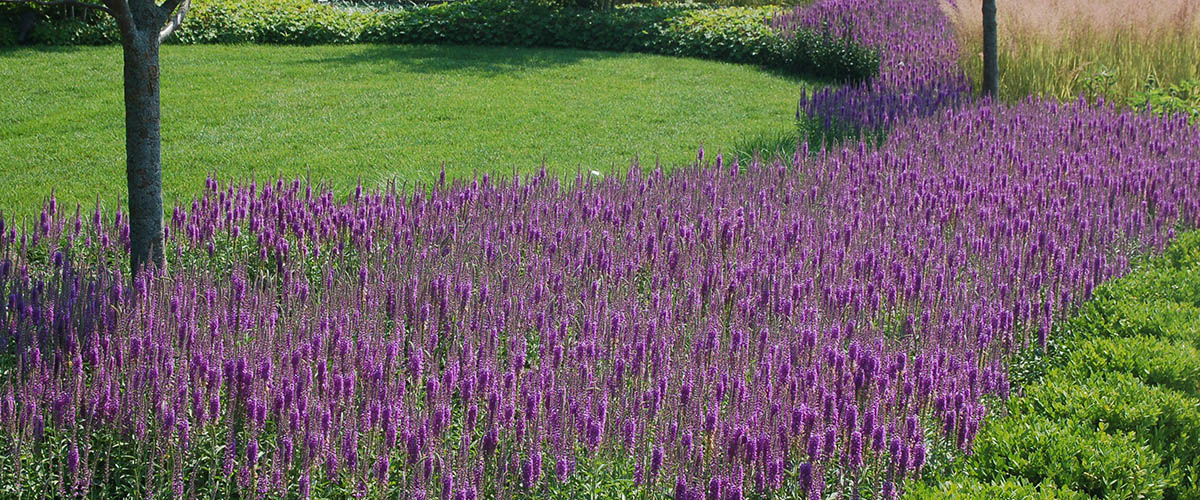
Perennials in Focus is a plant evaluation program that examines new and underused plants for Chicagoland, the third largest metropolitan area in the country. A group of horticultural experts trials and evaluates plants at numerous locations across the region. Results help consumers, public gardens, growers, landscape designers, breeders, and other industry professionals make informed plant choices.
Bold Foliage Perennials for Statement Garden Borders Down Under
Big leaves bring drama and permanence, offering texture long after flowers fade. While roses and perennials often take centre stage for blooms, a quiet shift has highlighted foliage as the true anchor of bold border design. Cool climate gardeners have long appreciated Rodgersia and Darmera, two moisture-loving perennials celebrated for oversized sculptural leaves. For Australians working with shaded corners, soggy patches or simply seeking a different visual rhythm, these foliage giants open up possibilities well beyond the typical flower border.
In regions such as the Dandenong Ranges, parts of Tasmania, or the Blue Mountains west of Sydney, conditions favour plants that struggle elsewhere on the continent. Cool, damp, humus-rich pockets create ideal homes for moisture-loving perennials that would sulk in warmer suburbs of Brisbane or Perth. Even gardeners in drier zones can create sheltered microclimates, mimicking the leaf-littered floors of mountain streamsides with thoughtful soil prep and irrigation. The result is a border that looks lush, layered and confident through every season.
Rodgersia and Darmera as Hero Plants for Moisture Loving Spots
Rodgersia offers palmate or pinnate leaves spanning up to forty centimetres across, often emerging bronze before maturing to deep green with strong veining. Plants send up creamy-white to pink flower spikes in early summer, though most growers treasure them for the leaves alone. Darmera peltata, sometimes called the umbrella plant, sends up bare stems topped with pink starry clusters in spring before its umbrella-shaped leaves unfurl. Both thrive where soil stays damp, in shaded beds beside ponds or low-lying areas that drain slowly after heavy rain.
These two giants pair beautifully, since Rodgersia carries deeply divided leaflets while Darmera offers rounded, lobed canopies. In cooler Australian gardens, particularly in the higher parts of the Yarra Valley or around Mt Wilson in New South Wales, both grow with surprising vigour. Gardeners wanting to compare habits side by side can track performance data published through regional trial evaluations run across multiple seasons and sites.
Soil preparation is critical. Both species crave organic matter, so dig in composted bark, leaf mould or well-rotted manure before planting. A slow-release fertiliser in spring, combined with thick mulch, keeps roots cool and moisture steady through dry summer patches. Slug and snail pressure, common in damp shaded beds, may require monitoring as new leaves emerge.
Bold Leafed Alternatives with Distinctive Shapes
Beyond Rodgersia and Darmera lies a wider palette worth trialling. Astilboides tabularis, a close relative of Rodgersia, carries perfectly round, plate-sized leaves resembling lily pads held on stout stems. Ligularia offers kidney or arrow-shaped foliage in chartreuse or dark polished tones depending on cultivar. Crambe cordifolia produces mounds of cabbage-like, wavy blue-green leaves several feet across, with airy white flowers stealing the show briefly in early summer.
For gardeners keen to push tropical drama into temperate plots, Petasites hybridus and Rheum palmatum deliver enormous architectural foliage. Both appreciate moisture and benefit from shelter to prevent leaf scorch during heat waves. Bergenia, sometimes called pigsqueak, offers paddle-shaped leathery evergreen leaves that remain handsome year-round, with pink or white flower spikes in late winter and early spring.
| Perennial | Leaf Shape | Light | Soil Needs |
|---|---|---|---|
| Rodgersia | Palmate, deeply veined | Part shade | Moist, humus-rich |
| Darmera peltata | Peltate, umbrella-like | Part shade | Wet to constantly moist |
| Astilboides tabularis | Round, plate-sized | Part shade | Moist, organic |
| Ligularia | Kidney or arrow-shaped | Part shade to shade | Moist, rich |
| Bergenia | Paddle-shaped, leathery | Sun to part shade | Average, well-drained |
Foliage shape guides placement as much as colour does, with rounded forms softening edges and divided forms creating rhythm. Many of these selections also work well in large containers on sheltered patios, where leaves can be admired at eye level.
Shade Tolerant Performers with Strong Foliage Characters
Australian gardens often come with limited sun, particularly in established inner-city suburbs or beneath mature eucalypts. Brunnera macrophylla carries heart-shaped leaves often marbled with silver, producing airy sprays of blue flowers in spring. Pulmonaria brings lance-shaped or spotted foliage with pink and blue blooms that delight gardeners who enjoy smaller-scale detail near path edges.
Heuchera, sometimes called coral bells, has expanded dramatically in recent years, with cultivars offering foliage in plum, lime, caramel and silver tones. Their lobed, almost maplelike leaves deliver all-season colour in shaded borders. Tiarella pairs well with Heuchera, sharing the maple-like leaf form but in deeper green with bronze winter markings and delicate white flower spikes in spring. Both are easy to find at major nursery outlets across the country.
For ultimate drama in dense shade, Podophyllum and Diphylleia (often called umbrella leaf) deliver deeply lobed foliage. Both are collector plants, found in specialist Australian nurseries and propagated by enthusiasts. They prefer sheltered conditions with consistent moisture, making them ideal under established trees where fallen leaf litter mimics their natural habitat. Patience is required, as these slow growers prefer to remain undisturbed once planted.
Designing Bold Borders with Foliage as the Star
Successful foliage borders rely on layering and contrast. Large leaves anchor the back of a bed, medium-scale foliage fills mid-level spaces, and finely textured perennials soften the front. Combining bold shapes with finer textures, such as Rodgersia paired with Japanese forest grass or sedges, prevents monotony. Repeating leaf shapes across a border creates rhythm, while varying colour from fresh green through bronze, silver and plum deepens visual interest.
In Australian gardens, careful attention to summer conditions is essential. The hot afternoon sun seen in Melbourne, Adelaide or even Hobart on occasional thirty-degree days can scorch large thin leaves. Plant where trees or structures provide protection from late afternoon rays, and keep mulch depth generous through warm months. Companion plants enjoying similar moist shade, including astilbes, ferns and hostas, fill the border while sharing cultural needs.
Bold borders reward attention to seasonal shifts. Rodgersia and Darmera unfurl fresh growth each spring, while Bergenia and Heuchera deliver strong evergreen presence through winter. Choosing perennials with overlapping seasonal strengths creates a living tapestry rather than a series of peak moments. A few late-flowering plants such as Japanese anemones tucked through the scheme stretch interest into autumn.
Sourcing Reliable Plants in the Australian Market
Finding unusual foliage perennials requires looking beyond the standard range at the local hardware chain. Specialist mail order nurseries such as the Diggers Club, Garden Express and small growers in the Dandenongs supply rare moisture-loving varieties suited to cooler Australian conditions. Tasmanian growers and those in the Southern Highlands of New South Wales often specialise in woodland species, offering plants raised from divisions of mature stock.
When selecting specimens, choose well-rooted young plants in 140-millimetre pots rather than impulse buys in larger containers that may have become pot-bound. Healthy crowns should feel firm, with visible buds or emerging shoots at the soil line. Pricing varies widely, ranging from around twelve dollars for common Rodgersia cultivars to thirty-five dollars or more for rarer Darmera forms or Astilboides.
Joining specialist plant societies offers swaps, seed exchanges and access to growers with deep knowledge of each species' quirks. Local garden clubs in areas like the Yarra Ranges often run winter bulb and perennial exchanges that turn up treasures unavailable in commercial channels. Many Australian growers maintain waiting lists for hard-to-propagate species, so putting your name down early secures plants for the next season.
For gardeners keen to trial bold foliage designs in their own conditions, detailed cultivar performance notes and side-by-side trial results are gathered at plant trials, showing which foliage giants have proven themselves across shifting seasons in real gardens.
In the Garden
Evaluator gardens are located across the Chicagoland area, representing a range of growing conditions. Visit our retail and wholesale partners to find trialled perennials for your own garden.
Retail & Wholesale: Hinsdale Nurseries (Willowbrook, IL), Mariani Nurseries (Kenosha, WI & Garden Prairie, IL), Northwind Perennials (Burlington, WI), The Growing Place (Aurora, IL).
Wholesale Only: Hinsdale Nurseries (Plano, IL), Intrinsic Perennial Gardens (Hebron, IL).
Our Evaluation Program
The 2017–2020 evaluation cycle included Agastache 'Blue Boa', Allium senescens 'Blue Eddy', Amsonia ciliata var. filifolia 'Georgia Pancake', Astilbe 'Chocolate Shogun', Boltonia astroides 'James Crocket', Brunnera 'Alexander's Great', and Geranium cinereum 'Jolly Jewel Purple'. Completed evaluations include Amsonia 'Blue Ice' (2004–07).
On April 10, 2020, the program published snapshot profiles for Vernonia lettermanii 'Iron Butterfly', Stokesia laevis 'Elf', Stachys officinalis 'Pink Cotton Candy', Lobelia 'Monet Moment', Helleborus 'Winter Thrillers', Geum 'Mai Tai', Geranium soboliferum 'Butterfly Kisses', Gentiana x intermedia 'True Blue', Eurybia divaricata, Asparagus 'Purple Passion', and Agastache 'Bolero'.
Browse the full collection of snapshots organized alphabetically — from A–D, E–H, I–Q, and R–Z — to find detailed performance data on perennials trialled across Chicagoland.