Evaluating Perennials for Chicagoland Gardens
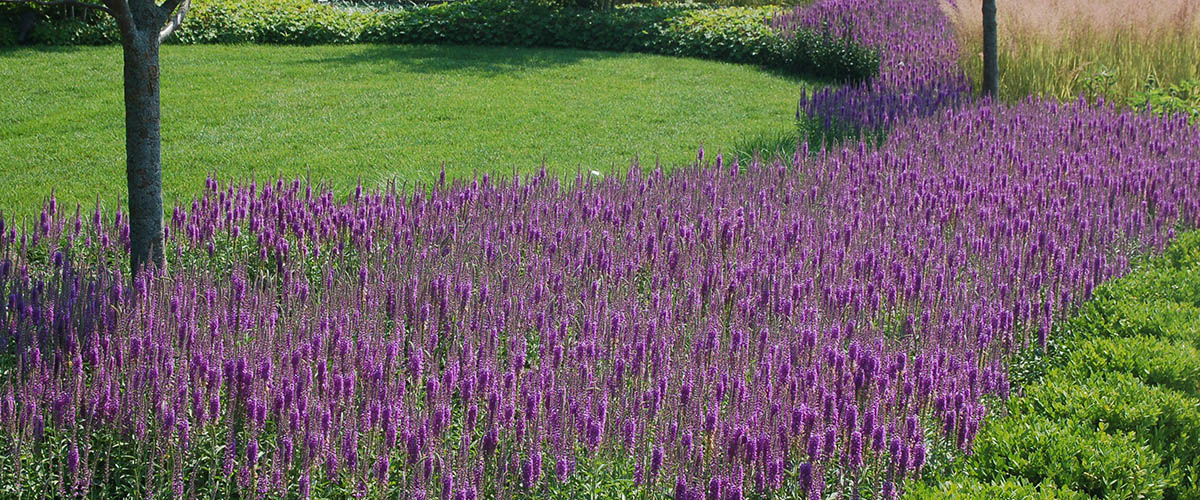
Perennials in Focus is a plant evaluation program that examines new and underused plants for Chicagoland, the third largest metropolitan area in the country. A group of horticultural experts trials and evaluates plants at numerous locations across the region. Results help consumers, public gardens, growers, landscape designers, breeders, and other industry professionals make informed plant choices.
Perennials With Seasonal Foliage Colour Like Tiarella Cordifolia
Tiarella cordifolia is valued for more than its frothy spring flowers. Its heart-shaped leaves can develop bronze, burgundy, or reddish markings as temperatures fall, giving a shady planting a second season of interest. That shift is especially useful where flowers are brief but foliage can carry a garden for many months.
For Australian gardeners, the closest match depends on climate, winter conditions, and how much summer moisture a site receives. A cool Melbourne courtyard may support tiarella and heucherella comfortably, while a Brisbane garden needs tougher shade plants that can cope with heat and humidity. The best choices are those that change visibly without becoming difficult to maintain.
The Chicagoland trials that inspire this discussion assess plants across several gardens and seasons, recording habit, spread, flowering, and foliage performance. Those observations offer a useful way to compare underused perennials, while Australian growers and gardeners still need to translate the results for local frosts, dry summers, sandy soils, and the realities of plant availability.
What Makes Tiarella Foliage Special
Tiarella cordifolia forms a low, spreading clump suited to woodland edges, borders, and shaded paths. Its leaves often emerge fresh green, mature with darker central markings, and take on bronze or red tones in autumn. The colour is strongest when nights cool gradually and the plant has adequate moisture without sitting in waterlogged soil.
The foliage effect is subtle rather than flashy. It works as a close-range detail beneath deciduous trees, alongside ferns, or at the front of a perennial border. In southern Australia, look for it in specialist nurseries and cool-climate plant collections rather than assuming every mainstream garden centre will carry it.
Heuchera And Heucherella For Reliable Contrast
Heuchera offers the broadest palette of foliage colour, including lime, silver, caramel, purple, near-black, and rose. Many cultivars hold their leaves through winter in mild districts, though colour intensity changes with temperature and light. Morning sun or bright filtered light usually produces stronger tones than deep shade.
Heucherella, a cross between Heuchera and Tiarella, combines patterned leaves with a softer, more spreading habit. Cultivars with chartreuse, copper, or raspberry markings can echo tiarella’s seasonal character while offering greater visual range. In Sydney’s humid conditions, provide airflow and avoid constantly wet crowns; in Melbourne or Hobart, protect plants from harsh afternoon sun and drying winds.
Woodland Perennials With A Seasonal Shift
Epimedium is a dependable choice for dry shade once established. New leaves can emerge coppery or red, mature to green, and sometimes colour again in autumn. It is particularly useful under established trees where roots compete for moisture, although a new planting benefits from regular watering during its first summer.
Bergenia provides a bolder alternative, with thick rounded leaves that may turn burgundy or plum in cool weather. It tolerates more sun than tiarella if supplied with moisture, and it handles many Australian conditions better than delicate woodland species. In Adelaide or inland districts, position it where afternoon shade reduces heat stress and mulch helps moderate the soil.
Plants For Sunny Autumn Colour
Amsonia hubrichtii brings a completely different effect. Its narrow, blue-green leaves form a feathery mound in spring and summer before turning clear yellow, gold, or orange in autumn. It needs sun and well-drained soil, making it more suitable for open Australian beds than for a woodland-style shade garden.
Geranium macrorrhizum also earns consideration for its aromatic foliage, weed-suppressing habit, and red-bronze autumn tones. It is adaptable, drought tolerant once established, and useful beneath light-canopied trees. For a more grass-like texture, Hakonechloa macra cultivars can shift from green or gold to warm straw and copper, although they need reliable moisture in hot districts.
Matching Plants To Australian Conditions
Climate matters more than a plant label suggesting “part shade”. In Melbourne, Canberra, the southern tablelands, and Tasmania, cool nights can intensify red and bronze foliage, while winter damp may make drainage important. In Brisbane and coastal New South Wales, shade plants need protection from harsh heat, heavy rain, and fungal problems caused by stagnant air.
Australian garden beds also often face sandy coastal soil, alkaline clay, or prolonged summer dryness. Improve soil with compost, apply a sensible organic mulch, and water deeply rather than relying on frequent shallow sprays. On a nature strip or exposed front garden, choose tougher plants such as amsonia and hardy geranium instead of expecting tiarella to perform like a sun-loving perennial.
Comparing Foliage Persistence And Maintenance
Seasonal colour is only one part of performance. Some perennials look good because leaves remain attractive through winter; others provide a dramatic flush for several weeks and then retreat. Before planting, check mature spread, crown wetness, slug pressure, and whether old foliage should be removed in late winter.
Evergreen groundcovers can compete strongly with smaller woodland perennials. A useful reference on foliage persistence explains why plants that stay green are not always the best companions. Leave enough room for clump-forming species to expand, and divide congested plants when flowering and leaf colour begin to decline.
In Australian retail, availability can change quickly between regions. A plant listed by a specialist grower in Victoria may be absent from a Queensland catalogue, while mail-order stock may arrive at a less-than-ideal time for establishment. Read the botanical name carefully, compare photos taken through the year, and treat “evergreen” as climate-dependent rather than absolute.
Designing A Border That Changes Through The Year
Layer foliage by shape as well as colour. Place tiarella, heucherella, or heuchera near the path, use bergenia or geranium behind them, and add a taller seasonal feature such as amsonia. Repeated clumps create a calmer design than collecting one plant of every available colour.
A restrained palette is usually easier to maintain. Silver and deep green can make bronze leaves look richer, while gold foliage brightens a dim corner but may become harsh beside too many yellow flowers. For broader garden-planning ideas, garden design inspiration can help translate foliage combinations into a cohesive outdoor room.
Planting for pollinators does not require giving up foliage interest. Tiarella, heuchera, and epimedium provide useful flowers for visiting insects, while amsonia and hardy geranium extend nectar availability. The pollinator pathway guidance also demonstrates how repeated perennial planting can connect small habitat areas, an idea that adapts well to Australian verge gardens and suburban backyards.
Choosing Plants By Performance
Trial-style observation is more useful than judging a perennial from one nursery photograph. Record when leaves emerge, when autumn colour starts, how long it lasts, and whether the plant still looks tidy after heat, wind, or heavy rain. This creates a practical performance record for your own garden.
The comparison below gives a starting point for selecting foliage perennials across different Australian settings. Actual results will vary with cultivar, soil, irrigation, shade density, and local weather.
| Perennial | Seasonal foliage effect | Best position | Australian notes |
|---|---|---|---|
| Tiarella cordifolia | Green leaves marked with bronze or red in cool weather | Moist, filtered shade | Best in cooler southern areas and sheltered woodland beds |
| Heuchera | Strong colour range, often persistent | Bright shade or morning sun | Protect from extreme heat and wet crowns |
| Heucherella | Patterned leaves with copper, lime, or burgundy tones | Part shade with airflow | Useful bridge between tiarella and heuchera |
| Epimedium | Copper new growth and occasional autumn tint | Dry shade beneath trees | Excellent once established in southern and temperate gardens |
| Bergenia | Thick leaves turning burgundy or plum | Sun to part shade with moisture | Tough choice for many regions; shade from severe heat |
| Amsonia hubrichtii | Blue-green foliage turning gold or orange | Full sun, free-draining soil | Strong option for dry-summer gardens |
| Geranium macrorrhizum | Aromatic leaves developing red-bronze tones | Sun to light shade | Adaptable, spreading, and useful for weed suppression |
Choose two or three plants that suit the site before adding rarities. In a cool Melbourne border, tiarella with heucherella and epimedium may create a layered woodland effect. In a hotter Australian garden, bergenia, geranium, and amsonia are more likely to deliver dependable colour with less fuss.
Visit local specialist nurseries in the season when foliage is changing, rather than shopping only when plants are in flower. Select healthy crowns, give them room to mature, and track their performance through the year so your next planting decision is based on what truly works in your garden.
In the Garden
Evaluator gardens are located across the Chicagoland area, representing a range of growing conditions. Visit our retail and wholesale partners to find trialled perennials for your own garden.
Retail & Wholesale: Hinsdale Nurseries (Willowbrook, IL), Mariani Nurseries (Kenosha, WI & Garden Prairie, IL), Northwind Perennials (Burlington, WI), The Growing Place (Aurora, IL).
Wholesale Only: Hinsdale Nurseries (Plano, IL), Intrinsic Perennial Gardens (Hebron, IL).
Our Evaluation Program
The 2017–2020 evaluation cycle included Agastache 'Blue Boa', Allium senescens 'Blue Eddy', Amsonia ciliata var. filifolia 'Georgia Pancake', Astilbe 'Chocolate Shogun', Boltonia astroides 'James Crocket', Brunnera 'Alexander's Great', and Geranium cinereum 'Jolly Jewel Purple'. Completed evaluations include Amsonia 'Blue Ice' (2004–07).
On April 10, 2020, the program published snapshot profiles for Vernonia lettermanii 'Iron Butterfly', Stokesia laevis 'Elf', Stachys officinalis 'Pink Cotton Candy', Lobelia 'Monet Moment', Helleborus 'Winter Thrillers', Geum 'Mai Tai', Geranium soboliferum 'Butterfly Kisses', Gentiana x intermedia 'True Blue', Eurybia divaricata, Asparagus 'Purple Passion', and Agastache 'Bolero'.
Browse the full collection of snapshots organized alphabetically — from A–D, E–H, I–Q, and R–Z — to find detailed performance data on perennials trialled across Chicagoland.