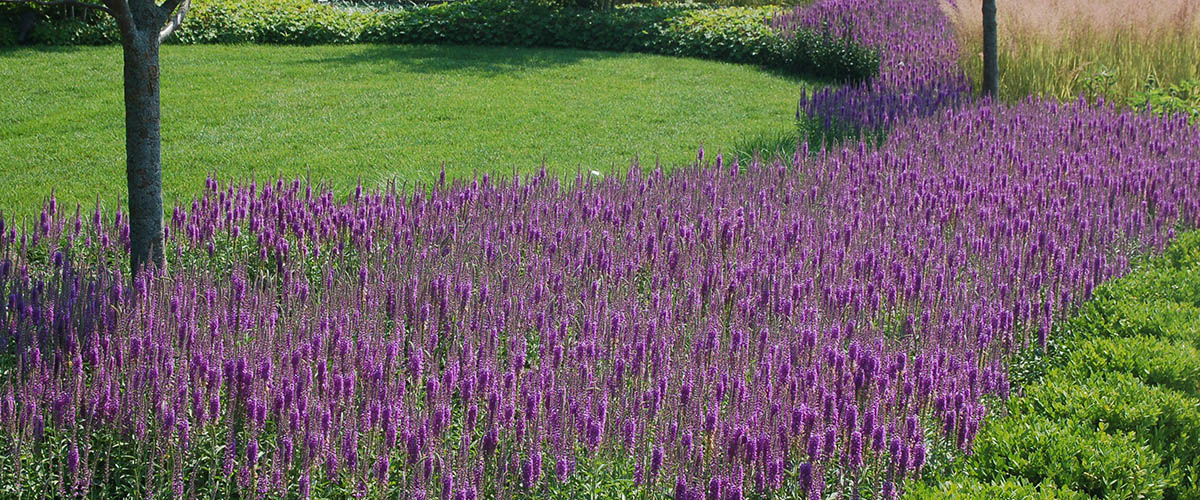
Evaluating Perennials for Chicagoland Gardens
Perennials in Focus is a plant evaluation program that examines new and underused plants for Chicagoland, the third largest metropolitan area in the country. A group of horticultural experts trials and evaluates plants at numerous locations across the region. Results help consumers, public gardens, growers, landscape designers, breeders, and other industry professionals make informed plant choices.
Perennials for front yards with low maintenance and high impact
A front yard has a demanding job. It should look welcoming from the street, support the architecture of the house, and remain attractive through changing weather and seasons. At the same time, most homeowners want to reduce mowing, trimming, watering, and constant replanting. Well-chosen perennial plants can meet all of these needs when they are matched to the site and arranged with a clear design purpose.
For Chicagoland gardeners, plant selection deserves special attention. Winters are cold, summers can be humid and dry, and urban soils often vary dramatically from one property to the next. A perennial that performs beautifully in another region may struggle here. Region-specific observations, including bloom time, mature size, flower color, and seasonal habit, make it easier to choose plants that offer dependable curb appeal rather than a brief display.
High-impact planting does not require a crowded collection of unusual specimens. A thoughtful combination of structural foliage, long-blooming flowers, grasses, and ground-covering perennials can create a front landscape that looks intentional in every season. Repetition and proper spacing often matter more than the number of varieties.
Design for reliable curb appeal
Begin by viewing the front yard as a series of layers. Low-growing plants can define the sidewalk or soften the edge of a foundation bed. Medium-height perennials create the main seasonal display, while taller plants can frame a porch, mark a corner, or provide a gentle transition between the house and the wider landscape.
Repeating a few dependable plants creates visual rhythm. For example, several groups of catmint, coneflower, or ornamental sedge will usually look more polished than a single plant of every available color. Repetition also simplifies maintenance because each plant group can be monitored and cared for in the same way.
Foliage should carry the design when flowers are not in bloom. Blue-green leaves, upright grass blades, silver textures, and deep green mounds provide continuity from spring through fall. Select plants with attractive form and leaves so that the front garden remains presentable between flowering periods.
Choose plants for the whole growing season
A successful perennial border has a sequence of interest rather than one short peak. Early bloomers such as creeping phlox, brunnera, or woodland phlox can start the display. Summer performers, including coneflowers, yarrow, salvia, and daylilies, provide dependable color during the busiest months. Late-season asters, sedums, and ornamental grasses extend the garden into autumn.
Flowering time should be evaluated locally because climate affects when a cultivar begins and ends its display. The Echinacea bloom trials from the Chicagoland region offer a useful example of how closely related coneflower selections can differ in timing and performance.
Aim for overlapping bloom windows instead of isolated bursts. When one plant is finishing, another should be beginning. Seed heads and persistent stems can add winter interest, especially when they are left standing until late winter and then cut back before new growth emerges.
Match mature size to the space
Many front-yard problems begin with plants that were installed at their container size rather than their mature size. A small perennial may eventually spread several feet wide or produce flower stems tall enough to hide windows and walkways. Read the expected height and spread carefully, then allow room for natural growth.
Plant height should support visibility and movement. Low plants work well near paths and driveways, while taller varieties belong toward the middle or back of a bed. Near windows, choose plants that stay below the sill or can be cut back without losing their shape. Avoid placing vigorous spreaders beside narrow walkways unless regular edging is part of the maintenance plan.
The table below shows how different perennial roles can contribute to a balanced front-yard design.
| Planting role | Useful characteristics | Examples for Chicagoland gardens | Maintenance notes |
|---|---|---|---|
| Low edging | Compact habit, tidy foliage, tolerance of foot-traffic splash | Catmint, heuchera, creeping phlox | Divide or trim when plants encroach on paths |
| Mid-height color | Long bloom period, sturdy stems, pollinator value | Coneflower, yarrow, Russian sage, salvia | Deadhead selectively and remove tired stems |
| Seasonal structure | Upright form, seed heads, winter texture | Switchgrass, little bluestem, sedum | Cut back in late winter or early spring |
| Shade interest | Layered foliage, reliable growth under trees | Hosta, brunnera, woodland phlox | Monitor moisture and slug damage |
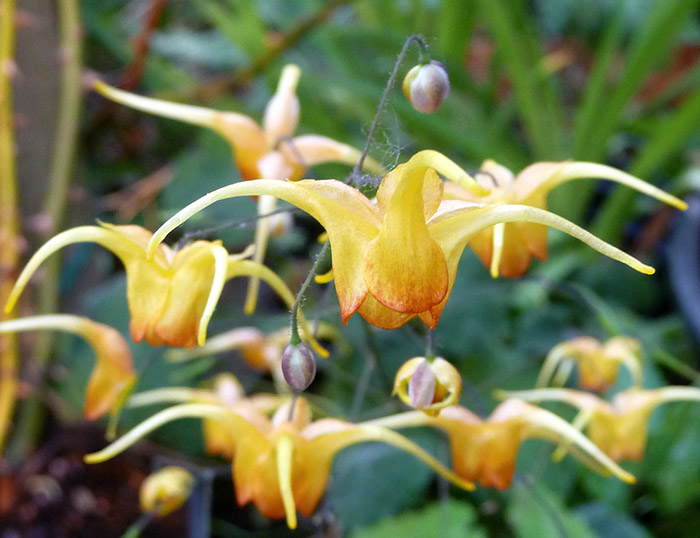
| Ground-covering mass | Spreading habit, weed suppression, dense foliage | Geranium, leadwort, barrenwort | Edge periodically to maintain boundaries |
Work with sun, soil, and moisture
The most attractive plant palette is still a poor choice if the growing conditions are wrong. Observe the site across the day before planting. A bed may receive full morning sun but afternoon shade, or it may become intensely hot beside a south-facing wall. Nearby trees can create dry shade by taking up water through their roots.
Soil preparation should improve drainage and organic matter without creating a sharp boundary between amended soil and the surrounding ground. A modest layer of compost worked into the planting area is generally more useful than filling a small hole with rich soil around each plant. For heavy clay, patience, mulch, and plants adapted to the conditions can be more effective than excessive digging.
Group plants with similar water needs. A drought-tolerant bed should not be mixed with moisture-loving perennials simply because their flowers coordinate. Once plants are established, the right grouping can reduce supplemental irrigation and prevent weaker plants from declining during dry periods.
Reduce lawn without losing order
Replacing a portion of turf can make a front yard more distinctive and reduce mowing, especially in areas that are awkward to navigate or difficult to keep green. Curved beds, broad perennial masses, and planted strips along sidewalks can create a clear framework while retaining enough open space for a neat appearance. These lawn replacement strategies are particularly relevant for suburban Chicago properties where small turf areas often require disproportionate effort.
Start with a manageable section rather than removing every inch of grass at once. A foundation bed, boulevard strip, or side-yard transition can provide a useful trial area. Define the edge firmly with a clean trench, steel edging, or another durable material so that the planting reads as intentional.
Dense planting helps suppress weeds, but spacing plants too closely can create disease problems and unnecessary division work. Use mulch during establishment, keep it away from crowns, and expect the bed to evolve as perennials reach their mature size. A simple layout with repeated drifts is easier to maintain than a collection of scattered individual plants.
Keep maintenance predictable
Low maintenance does not mean maintenance-free. The goal is to concentrate work into a few efficient tasks. Water new plantings deeply during their first growing season, remove weeds before they seed, and check plants periodically for damage or signs of stress. Once roots are established, many site-appropriate perennials need much less attention.
Choose plants that do not require frequent staking, spraying, or deadheading to look presentable. Some flowers benefit from removing spent blooms, while others develop attractive seed heads that can remain through winter. Leave sturdy stems in place when they provide habitat and structure, then cut them back in late winter before fresh growth begins.
Mulch can conserve moisture and reduce weed pressure, but it should be replenished carefully. A layer about two to three inches deep is usually sufficient, with open space around plant crowns and woody stems. Overmulching can hold excess moisture and encourage rot, especially in poorly drained beds.
Use regional trial information wisely
Plant labels often provide a useful starting point, but they rarely capture the full range of local performance. Regional trials reveal how plants behave through actual Chicagoland seasons, including winter survival, bloom timing, plant habit, and late-season appearance. This information is valuable when choosing cultivars for a visible front-yard location.
Look for plants that perform consistently across more than one garden or season. A perennial that blooms heavily in a single year may be less useful than one that maintains a sturdy habit and dependable flowering under variable conditions. Consider the entire plant, including its foliage after bloom, resistance to flopping, and ability to fill the intended space.
Professional observations can also help gardeners compare similar selections. When several cultivars share a flower color or general habit, differences in height, spread, bloom duration, and vigor may determine which one fits a particular bed. Reliable local information reduces the risk of replacing plants every few years.
A practical planting checklist
A low-effort, high-impact front garden becomes easier to manage when decisions are made before the plants arrive. Use this checklist while planning or revising a bed:
- Map the hours of sun, areas of dry shade, drainage patterns, and winter salt exposure.
- Select a limited palette of repeated plants with different bloom periods and complementary foliage.
- Check mature height and spread against windows, paths, utilities, and property lines.
- Combine evergreen or persistent structure with flowers that peak in spring, summer, and fall.
- Reserve space for growth, mulch, and access so routine care remains simple.
Give new plantings time to establish before judging their final effect. Perennials often spend their first season developing roots, then become fuller and more floriferous in subsequent years. Photographing the garden through the seasons can help identify gaps, overcrowded areas, and plants that deserve a larger role.
A front yard designed around durable perennials can be welcoming, ecologically useful, and easier to care for than a large expanse of turf or a bed that depends on annual replacements. Start with the site, use local trial information to narrow the choices, and plant in repeated groups that create structure from spring through winter. When every perennial has a reason to be there, curb appeal becomes a lasting feature rather than a seasonal chore.
In the Garden
Evaluator gardens are located across the Chicagoland area, representing a range of growing conditions. Visit our retail and wholesale partners to find trialled perennials for your own garden.
Retail & Wholesale: Hinsdale Nurseries (Willowbrook, IL), Mariani Nurseries (Kenosha, WI & Garden Prairie, IL), Northwind Perennials (Burlington, WI), The Growing Place (Aurora, IL).
Wholesale Only: Hinsdale Nurseries (Plano, IL), Intrinsic Perennial Gardens (Hebron, IL).
Our Evaluation Program
The 2017–2020 evaluation cycle included Agastache 'Blue Boa', Allium senescens 'Blue Eddy', Amsonia ciliata var. filifolia 'Georgia Pancake', Astilbe 'Chocolate Shogun', Boltonia astroides 'James Crocket', Brunnera 'Alexander's Great', and Geranium cinereum 'Jolly Jewel Purple'. Completed evaluations include Amsonia 'Blue Ice' (2004–07).
On April 10, 2020, the program published snapshot profiles for Vernonia lettermanii 'Iron Butterfly', Stokesia laevis 'Elf', Stachys officinalis 'Pink Cotton Candy', Lobelia 'Monet Moment', Helleborus 'Winter Thrillers', Geum 'Mai Tai', Geranium soboliferum 'Butterfly Kisses', Gentiana x intermedia 'True Blue', Eurybia divaricata, Asparagus 'Purple Passion', and Agastache 'Bolero'.
Browse the full collection of snapshots organized alphabetically — from A–D, E–H, I–Q, and R–Z — to find detailed performance data on perennials trialled across Chicagoland.