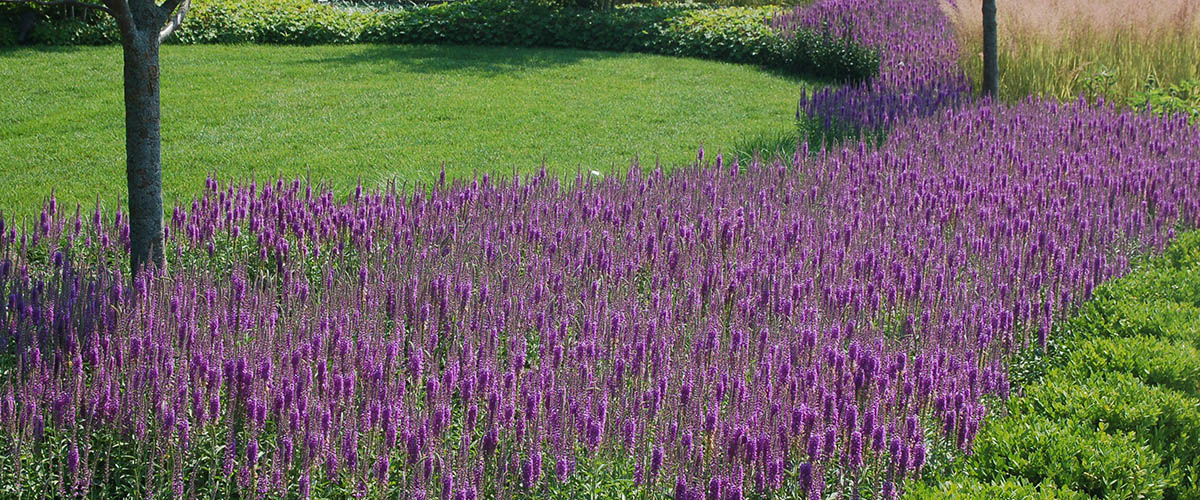
Evaluating Perennials for Chicagoland Gardens
Perennials in Focus is a plant evaluation program that examines new and underused plants for Chicagoland, the third largest metropolitan area in the country. A group of horticultural experts trials and evaluates plants at numerous locations across the region. Results help consumers, public gardens, growers, landscape designers, breeders, and other industry professionals make informed plant choices.
Perennials for Edible Landscaping: Thyme, Sorrel, and More in Chicagoland
Edible landscaping brings harvestable leaves, flowers, and herbs into the same spaces as ornamental perennials. In Chicagoland, the best plants must offer more than culinary value: they need to tolerate winter cold, variable spring moisture, summer heat, compacted soil, and the changing light conditions found in urban and suburban gardens.
Thyme and sorrel are especially useful because they combine practical harvests with attractive form. Thyme can create a fragrant edging or low groundcover, while sorrel provides bright green foliage and a lemony flavor early in the season. Other hardy herbs and edible perennials can fill vertical, textural, and seasonal roles throughout a garden.
A successful planting is easiest to manage when each plant is evaluated for its complete performance. Bloom period, mature height, spread, winter survival, disease resistance, and response to repeated harvesting all matter. Region-specific observations from Chicagoland trials can help gardeners choose plants that are likely to thrive rather than relying only on catalog descriptions.
Choosing plants for a Midwest edible garden
Edible perennials should fit the growing conditions before they fit the menu. A dry, sunny strip beside a walkway favors thyme, chives, and some sages. A richer bed with regular moisture may better support sorrel, lovage, or good king henry. Matching plants to their site reduces maintenance and improves harvest quality.
Consider mature spread as carefully as height. A small herb may expand steadily over several seasons, while a tall edible plant can shade shorter neighbors. Mark the eventual footprint on a garden plan, leaving room for air circulation and access. This is especially important in narrow foundation beds and community landscapes where plants are often placed closer together than their mature size allows.
Edibility also affects design and maintenance. Avoid placing frequently harvested herbs beside areas treated with ornamental pesticides or herbicides. In mixed borders, clear labels and a simple planting map help household members, volunteers, and visitors recognize which plants are intended for consumption.
Making thyme a durable garden feature
Common thyme (Thymus vulgaris) prefers full sun, sharp drainage, and lean soil. In Chicagoland, winter wet is often a greater threat than cold itself. Raised edges, gravelly soil, and slopes can improve survival, while heavy clay should be amended through bed preparation rather than covered with a shallow layer of compost.
Thyme works well between stepping stones, along a sunny path, or at the front of a perennial border. Its small flowers support pollinators, and its evergreen-to-semi-evergreen foliage contributes structure outside the main growing season. Harvest sprigs regularly, but avoid cutting deeply into old, woody stems late in the season.
Several thyme types can serve different design purposes. Upright culinary thyme is useful for accessible harvesting, while creeping forms provide a fragrant mat. Their exact winter performance can vary with exposure, snow cover, drainage, and cultivar, so local trial observations are valuable when selecting a plant for a permanent installation.
Growing sorrel for flavor and foliage
Garden sorrel (Rumex acetosa) produces elongated leaves with a crisp, citrus-like flavor. French sorrel (Rumex scutatus) tends to have smaller, softer leaves and can be especially appealing for salads and sauces. Both prefer evenly moist soil and moderate fertility, though established plants can tolerate short periods of dryness.
Sorrel is most productive when young leaves are picked frequently. Removing flower stalks can keep the plant focused on foliage, although allowing some flowering can add height and seasonal interest. In a mixed border, sorrel’s fresh green leaves contrast with purple, silver, or blue foliage and can soften the look of a strictly ornamental planting.
Give sorrel enough room to remain accessible. It can become untidy if crowded by aggressive neighbors, and older leaves may become sharper in flavor. A spring division every few years can rejuvenate a clump and provide additional plants for another bed. Gardeners should also confirm the plant’s identity before harvesting, since several Rumex species occur in the region and not all are equally desirable for the kitchen.
Reliable companions for harvest and habitat
Chives are among the most adaptable edible perennials for Chicagoland. Their narrow foliage forms tidy clumps, and their lavender flowers provide a strong ornamental moment in late spring. Chives tolerate a range of soils, return reliably, and can be divided when clumps become crowded. Garlic chives flower later and may self-sow, so remove spent heads if keeping the planting contained matters.
Sage and oregano suit hot, sunny beds with good drainage. Sage offers silvery foliage and a substantial presence, while oregano can spill over walls and support pollinators when it blooms. Both benefit from regular trimming to maintain compact growth. Mint is best grown in a pot or a fully contained bed because its spreading roots can overwhelm neighboring perennials.
Lovage adds height and celery-like flavor to a productive border, though its mature size requires careful placement. Salad burnet contributes finely textured foliage and a mild cucumber flavor. Rhubarb can anchor a larger edible landscape, but its broad leaves require space and should never be eaten. As with all plant selections, local performance data can reveal which cultivars remain attractive after harvest and through the full season.
Comparing useful edible perennials
| Plant | Best site | Harvested part | Ornamental value | Key Chicagoland consideration |
|---|---|---|---|---|
| Culinary thyme | Full sun, sharply drained soil | Leaves and tender stems | Low mound, small flowers, fragrance | Protect from winter wet |
| Garden sorrel | Sun to partial shade, evenly moist soil | Young leaves | Bright foliage and loose flower stems | Divide clumps and harvest young leaves |
| Chives | Sun to partial shade, average soil | Leaves and flowers | Purple or white flower globes | Remove seed heads to limit spreading |
| Sage | Full sun, well-drained soil | Aromatic leaves | Silver foliage and upright form | Avoid wet winter soil |
| Oregano | Full sun, lean to average soil | Leaves and flowering stems | Mounding habit and pollinator flowers | Trim after flowering for fresh growth |
| Lovage | Sun to partial shade, fertile soil | Leaves, stems, and seeds | Tall, architectural foliage | Allow generous room for mature height |
Designing with harvest in mind
Place the plants used most often near paths, kitchen doors, or seating areas. A thyme edge can define a walkway, while chives and sorrel can occupy the front or middle of a border where leaves are easy to reach. Taller plants such as lovage belong toward the back, where they will not shade low herbs or block circulation.
Edible plants do not need to create a separate “vegetable” zone. Repeating a culinary perennial through an ornamental bed can make the design feel intentional. For example, groups of chives can connect several planting areas, while silver sage can echo the foliage of drought-tolerant flowers. A useful regional example is Amsonia’s garden value, since its durable form and seasonal interest can provide a strong non-edible framework around lower herbs.
Avoid combining plants solely by color. Group them according to water needs, soil texture, and maintenance schedule. A thyme planting beside moisture-loving sorrel will usually create a compromise neither plant prefers. Repeated clusters of compatible plants are more resilient and easier to care for than a collection of unrelated specimens.
Keeping the planting productive
Harvesting should be part of the maintenance calendar. Cut thyme and oregano lightly and often during active growth, pinch sage to prevent excessive woodiness, and pick sorrel leaves from the outside of the clump. Regular use keeps the planting attractive and reveals problems such as weak growth, poor drainage, or animal damage.
Mulch can conserve moisture, but keep it away from the crowns of thyme and other plants that dislike persistent dampness. In autumn, leave sturdy stems where they provide winter habitat, then remove damaged material in early spring. Avoid heavy fall cutting of every plant; a more selective approach supports insects and preserves structure.
Observe each planting across multiple seasons. Note when flowers begin, how long foliage remains attractive, whether stems flop, and how much space the plant occupies after two or three years. These records are useful for home gardeners and especially valuable for growers, retailers, designers, and public gardens selecting plants for Chicagoland conditions.
A practical planting checklist
Begin with a small number of well-matched plants and expand after observing their performance. A productive, attractive bed might include thyme on the dry sunny edge, chives in the middle, sorrel in a moister pocket, and oregano or sage in another free-draining section.
- Test drainage and sunlight before choosing the plant list.
- Place frequently harvested herbs beside paths or doors.
- Confirm mature height and spread before combining plants.
- Keep mint contained and remove unwanted self-sown seedlings.
- Record winter survival, bloom timing, and harvest quality each season.
Edible landscaping is most successful when food production and perennial performance are planned together. Choose plants that can withstand local conditions, give them the soil and spacing they need, and harvest in ways that preserve their form. Start with a manageable group of thyme, sorrel, chives, and other regionally promising perennials, then refine the planting as your own Chicagoland observations accumulate.
In the Garden
Evaluator gardens are located across the Chicagoland area, representing a range of growing conditions. Visit our retail and wholesale partners to find trialled perennials for your own garden.
Retail & Wholesale: Hinsdale Nurseries (Willowbrook, IL), Mariani Nurseries (Kenosha, WI & Garden Prairie, IL), Northwind Perennials (Burlington, WI), The Growing Place (Aurora, IL).
Wholesale Only: Hinsdale Nurseries (Plano, IL), Intrinsic Perennial Gardens (Hebron, IL).
Our Evaluation Program
The 2017–2020 evaluation cycle included Agastache 'Blue Boa', Allium senescens 'Blue Eddy', Amsonia ciliata var. filifolia 'Georgia Pancake', Astilbe 'Chocolate Shogun', Boltonia astroides 'James Crocket', Brunnera 'Alexander's Great', and Geranium cinereum 'Jolly Jewel Purple'. Completed evaluations include Amsonia 'Blue Ice' (2004–07).
On April 10, 2020, the program published snapshot profiles for Vernonia lettermanii 'Iron Butterfly', Stokesia laevis 'Elf', Stachys officinalis 'Pink Cotton Candy', Lobelia 'Monet Moment', Helleborus 'Winter Thrillers', Geum 'Mai Tai', Geranium soboliferum 'Butterfly Kisses', Gentiana x intermedia 'True Blue', Eurybia divaricata, Asparagus 'Purple Passion', and Agastache 'Bolero'.
Browse the full collection of snapshots organized alphabetically — from A–D, E–H, I–Q, and R–Z — to find detailed performance data on perennials trialled across Chicagoland.