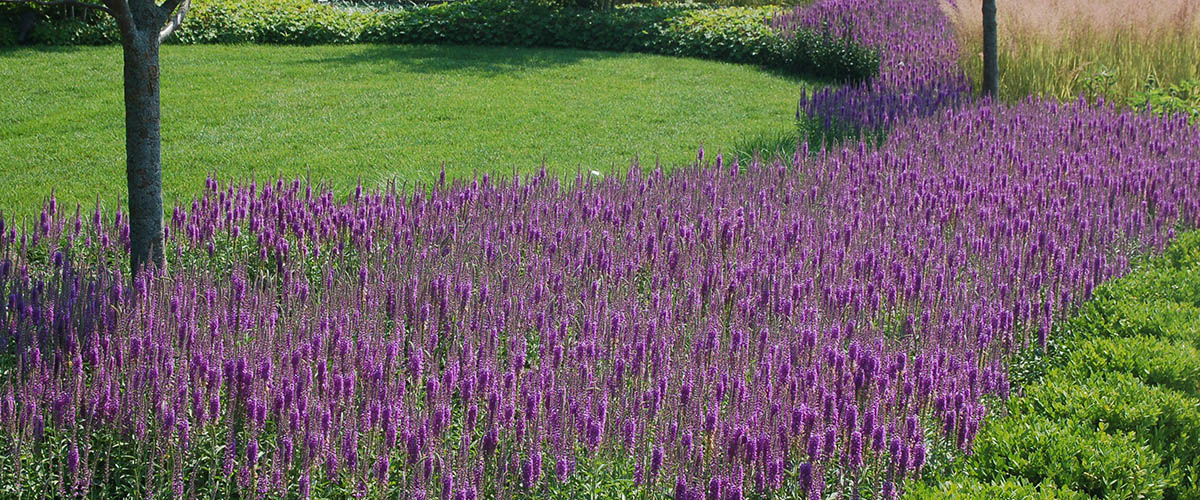
Evaluating Perennials for Chicagoland Gardens
Perennials in Focus is a plant evaluation program that examines new and underused plants for Chicagoland, the third largest metropolitan area in the country. A group of horticultural experts trials and evaluates plants at numerous locations across the region. Results help consumers, public gardens, growers, landscape designers, breeders, and other industry professionals make informed plant choices.
Divide and Rejuvenate New England Asters in Early Spring
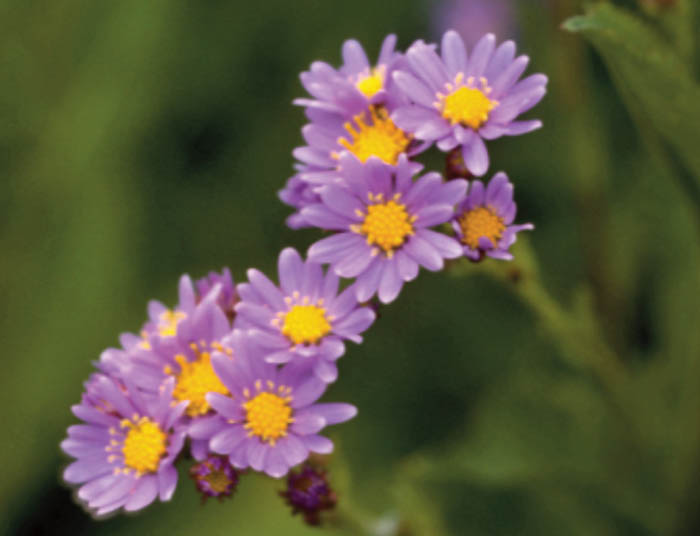
Overgrown New England aster clumps can become crowded, woody in the centre and less floriferous around the edges. Dividing them in early spring restores vigour, creates additional plants and gives each section enough room to develop strong stems before the autumn flowering season.
Aster novae-angliae, now often sold under the name Symphyotrichum novae-angliae, is a hardy herbaceous perennial valued for late-season colour. Although many references come from northern American trials, the same principles apply in Australian gardens, with timing adjusted for local temperatures, rainfall and soil conditions.
Choose the right time
Divide established plants as new shoots begin to appear, before the foliage becomes tall and dense. In cooler parts of Australia, this may be August or early September. Gardeners in Melbourne, Canberra and the higher parts of Tasmania can often work in late winter or early spring, while Sydney and other milder districts may need to divide earlier.
Avoid working during a heatwave, after heavy rain or when the ground is waterlogged. A cool, overcast day is ideal because lifted roots lose moisture quickly. If the plant is already producing tall stems, division is still possible, but handle the shoots carefully and expect some temporary wilting.
Check whether the clump needs rejuvenation
A mature aster is ready for division when the centre becomes bare, flowering weakens, stems flop despite adequate light, or the plant expands beyond its allotted space. A dense mat of roots can also shed water from the surface while leaving the inner crown short of moisture and nutrients.
Before lifting it, inspect the growing site. New England asters flower best in full sun with fertile, moisture-retentive soil that drains freely. In a suburban Perth garden, sandy soil may need compost and a suitable soil conditioner, while a clay site around Adelaide or Canberra benefits from improved drainage and organic matter worked through the planting area.
Lift the parent plant carefully
Water the clump the day before dividing unless the soil is already damp. Cut back old stems to roughly 10–15 centimetres so the crown is easier to handle, then insert a sharp spade well outside the visible shoots. Push down deeply and work around the plant, aiming to lift a broad root ball rather than slicing straight through the crown.
Place the lifted plant on a tarp or firm surface and brush or wash away some soil. This reveals the crown, the thick central growing points and the fibrous roots. Use a clean, sharp knife or two spading forks to separate the plant. Each division should contain several healthy shoots and a substantial portion of root; small fragments without viable buds are unlikely to establish well.
Make divisions that will thrive
Discard the old, woody centre if it has few live buds, as well as any soft, blackened or damaged roots. Divide the younger outer sections into pieces about 10–20 centimetres across, depending on the size of the original clump. A larger division usually establishes faster, but several moderate sections can be useful for filling a long border.
If roots have dried during the process, soak them briefly in a bucket of water before planting. Do not leave divisions submerged for hours. Keep them shaded and covered with a damp cloth if planting must be delayed, particularly during the dry spring conditions common in parts of New South Wales and Victoria.
Replant at the original depth
Prepare the soil before dividing so the exposed roots spend as little time as possible in the open air. Dig a hole wider than the root spread, set the crown at the same depth as before and spread the roots naturally. The shoots should sit just at or slightly above the surrounding soil level; planting too deeply can encourage crown rot.
Firm the soil gently around each division and water thoroughly to settle air pockets. Space plants according to their expected mature spread, commonly about 45–75 centimetres for vigorous cultivars. Wider spacing improves airflow and reduces the humid, congested conditions that can encourage powdery mildew in sheltered gardens.
Support strong growth through spring
Keep newly divided asters evenly moist while roots re-establish, but do not maintain saturated soil. A 5–7 centimetre layer of mulch helps moderate soil temperature and reduces evaporation. Keep mulch away from the crown itself, where constant dampness may cause decay.
Once fresh growth is well underway, apply a balanced controlled-release fertiliser or a modest layer of compost. Avoid excessive nitrogen, which can produce lush, weak stems and delay flowering. Pinching shoot tips once or twice in late spring can encourage branching and reduce flopping, though stop early enough to allow flower buds to form.
New England aster pairs well with ornamental grasses, rudbeckias and late-flowering salvias. For guidance on evaluating perennials in a particular garden setting, the Perennials in Focus mission describes a collaborative approach that considers seasonal performance, plant habit and practical garden value.
Solve common problems after division
Some leaf drooping is normal during the first few days, especially in warmer Australian districts. Remove badly damaged foliage, provide temporary afternoon shade and check moisture below the surface rather than watering automatically every day. New shoots should gradually regain firmness as roots resume active growth.
Poor flowering later in the year may result from too much shade, a division that was too small, drought stress or excess fertiliser. Thin overcrowded growth in the following spring and remove spent stems after flowering. Good air circulation is especially important in coastal areas and enclosed courtyards, where warm nights can prolong leaf wetness.
Asters can also suffer from aphids, mites and fungal leaf problems. Inspect the undersides of leaves, encourage beneficial insects and avoid overhead irrigation late in the day. Companion perennials with similar moisture and light needs can make a border more resilient, while plants for dappled conditions require a different approach; the discussion of shade plant performance offers a useful comparison of how site conditions influence perennial results.
Dividing a crowded Aster novae-angliae clump is a straightforward way to renew an ageing planting and multiply a reliable autumn performer. Mark the healthiest divisions, record where they are planted and compare their flowering, height and spread through the season. Share those observations with local gardening groups, nurseries or plant evaluation networks to help build better region-specific knowledge for Australian gardens.
In the Garden
Evaluator gardens are located across the Chicagoland area, representing a range of growing conditions. Visit our retail and wholesale partners to find trialled perennials for your own garden.
Retail & Wholesale: Hinsdale Nurseries (Willowbrook, IL), Mariani Nurseries (Kenosha, WI & Garden Prairie, IL), Northwind Perennials (Burlington, WI), The Growing Place (Aurora, IL).
Wholesale Only: Hinsdale Nurseries (Plano, IL), Intrinsic Perennial Gardens (Hebron, IL).
Our Evaluation Program
The 2017–2020 evaluation cycle included Agastache 'Blue Boa', Allium senescens 'Blue Eddy', Amsonia ciliata var. filifolia 'Georgia Pancake', Astilbe 'Chocolate Shogun', Boltonia astroides 'James Crocket', Brunnera 'Alexander's Great', and Geranium cinereum 'Jolly Jewel Purple'. Completed evaluations include Amsonia 'Blue Ice' (2004–07).
On April 10, 2020, the program published snapshot profiles for Vernonia lettermanii 'Iron Butterfly', Stokesia laevis 'Elf', Stachys officinalis 'Pink Cotton Candy', Lobelia 'Monet Moment', Helleborus 'Winter Thrillers', Geum 'Mai Tai', Geranium soboliferum 'Butterfly Kisses', Gentiana x intermedia 'True Blue', Eurybia divaricata, Asparagus 'Purple Passion', and Agastache 'Bolero'.
Browse the full collection of snapshots organized alphabetically — from A–D, E–H, I–Q, and R–Z — to find detailed performance data on perennials trialled across Chicagoland.