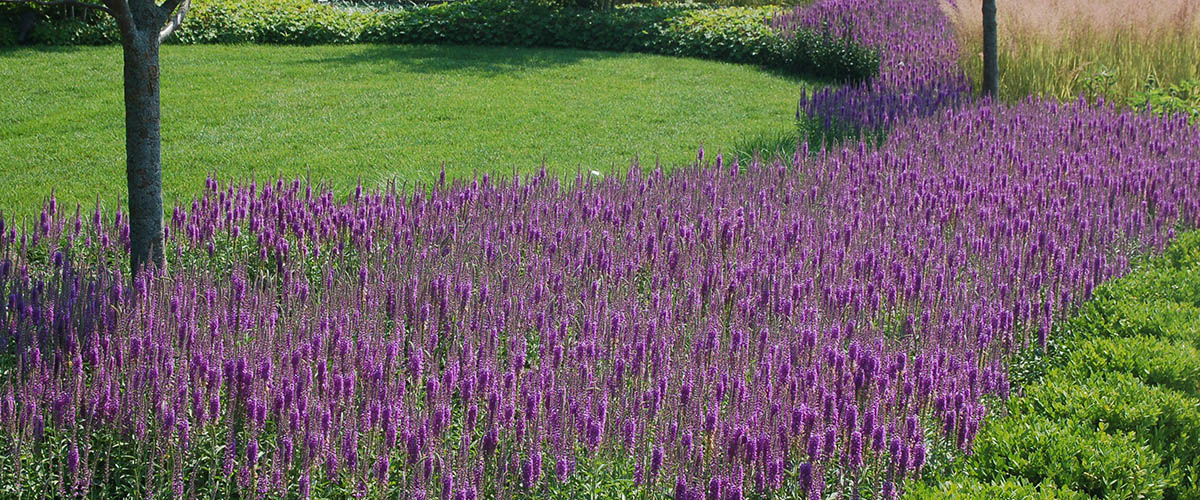
Evaluating Perennials for Chicagoland Gardens
Perennials in Focus is a plant evaluation program that examines new and underused plants for Chicagoland, the third largest metropolitan area in the country. A group of horticultural experts trials and evaluates plants at numerous locations across the region. Results help consumers, public gardens, growers, landscape designers, breeders, and other industry professionals make informed plant choices.
Perennial Alliums And Roses For Beetle-Wiser Gardens
Companion planting perennial alliums with roses can create a more layered, attractive bed while making rose foliage and flowers less obvious to some chewing insects. The strong onion-like scent of alliums may confuse or discourage feeding, although it should be treated as a supporting tactic rather than a guaranteed Japanese beetle control method.
For Australian gardeners, the approach also needs local context. Japanese beetle is a serious biosecurity concern rather than a widespread established garden pest across Australia, so unusual beetles should be reported instead of casually moved between properties. Plant combinations trialled in the Chicagoland region can offer useful ideas, but flowering times, heat, rainfall and pest pressure must be checked against Australian conditions.
Choose Alliums That Suit Roses
Tall ornamental alliums, such as Allium ‘Globemaster’, A. cristophii and A. sphaerocephalon, bring vertical flower heads above mounding or shrub roses. Shorter perennial species, including chives and several ornamental drumstick alliums, can form an edging that helps separate roses from paths and lawn. Select plants with similar requirements: full sun, free-draining soil and moderate watering.
Avoid treating every member of the onion family as interchangeable. Bulbous alliums often need a dry resting period after flowering, while roses appreciate more consistent moisture during active growth. In heavy clay, improve drainage before planting, and keep bulbs away from constantly wet irrigation points. In Brisbane or coastal New South Wales, humid summers make air circulation especially important around dense rose foliage.
The best companions are those that mature without smothering the rose crown. Allow enough room for the rose’s eventual width, then position alliums between plants rather than directly against the stems. This preserves access for pruning, inspection and watering.
Understand What The Scent Can Do
Japanese beetles are attracted to rose flowers and foliage by visual cues and plant volatiles. A mixed planting may break up a large block of highly attractive roses, while allium foliage and flowers add stronger aromatic signals. This is a form of plant diversification, not a chemical barrier, and results can vary with weather, beetle numbers and nearby host plants.
There is limited evidence that ornamental alliums alone prevent Japanese beetle damage. Their value is greater as part of integrated pest management, alongside regular monitoring, removal of adult beetles and careful plant selection. If beetle pressure is light, the combination may help reduce concentrated feeding; if an outbreak occurs, roses can still be attacked.
Australian gardeners should report a suspected Japanese beetle through the Exotic Plant Pest Hotline on 1800 084 881 and follow local biosecurity advice. The pest’s presence, movement and treatment requirements can involve state and federal rules, so avoid transporting suspect insects, infested plants or soil.
Build Layers Without Creating Congestion
A successful rose and allium border uses height in stages. Place tall alliums toward the middle or rear of a bed, medium roses in the central layer and low companions near the edge. This keeps the ornamental globes visible while creating a visually broken planting pattern that is less like a single continuous rose crop.
Leave an open circle around each rose base for air movement and inspection. Mulch can cover bare soil, but it should sit several centimetres away from the graft union or main stems. A crowded arrangement traps humidity, encourages fungal disease and makes it harder to spot beetles, aphids, scale or damaged leaves.
For practical examples of how performance can differ between cultivars, gardeners can compare findings in this disease resistance guide. The same trial-minded approach is useful when assessing rose and allium combinations: record what performs in a particular garden instead of relying solely on a plant label.
Match The Planting Calendar To Your Region
In Melbourne and Adelaide, autumn is generally a good time to plant spring-flowering allium bulbs while the soil is still workable. Roses are often planted as bare-root specimens during winter, when they are dormant. Keeping these operations separate helps gardeners place bulbs accurately without disturbing newly planted rose roots.
Sydney and Perth gardeners may experience warmer autumn soil and longer growing seasons, while gardeners in Brisbane need to consider heat, humidity and summer rainfall. Bulbs can suffer in poorly drained conditions, so raised beds or amended soil may be more reliable in wet sites. In cooler districts, allium foliage may emerge later, and rose pruning dates should follow local frost patterns rather than a universal calendar.
Flowering overlap matters for both appearance and monitoring. Alliums often bloom before many repeat-flowering roses reach their summer peak. Once allium flowers fade, leave the foliage until it yellows naturally so the bulb can replenish. Tuck the declining leaves behind later rose growth or nearby perennials rather than removing them too early.
Manage Water, Soil And Mulch Carefully
Roses need regular moisture while establishing and during hot flowering periods, but shallow, frequent watering can encourage weak roots and wet foliage. Drip irrigation or a soaker line directed at the soil is preferable to overhead watering. Water early in the day when hand watering is necessary, especially in humid coastal climates.
Alliums generally prefer leaner, sharply drained conditions than heavily fed roses. Apply compost to improve soil structure, then use a balanced rose fertiliser according to its label rather than spreading excessive nitrogen across the entire bed. Too much nitrogen can produce lush, soft growth that is attractive to several pests and may reduce flowering quality.
Australian water restrictions vary by state and council, and some urban gardeners already rely on rainwater tanks, greywater systems or timed irrigation. Check whether a product is approved for the intended use and follow label directions. Mulch made from composted bark or other suitable material can reduce evaporation, but thick, wet mulch around bulbs may encourage rot.
Add Other Tactics For Beetle Pressure
Inspect roses twice a week during active growth, concentrating on new leaves, flower clusters and the upper surfaces of foliage. Hand-picking adult beetles into soapy water can be effective in a small garden when done early in the day, when insects are less active. Remove badly damaged flowers and leaves from the garden rather than leaving a strong feeding signal in the bed.
Do not use broad-spectrum insecticides as a first response. They can harm bees, hoverflies, ladybirds and other beneficial insects that support a healthy garden. In Australia, pesticide products must be registered and used according to the label, while state and territory rules may govern application near waterways, public areas or neighbouring properties.
If a confirmed pest becomes established in a locality, seek advice from a state agriculture department, council horticultural service or qualified pest professional. Combining plant diversity, sanitation, hand removal and informed treatment is safer than assuming an allium border will provide complete protection.
Trial The Combination In Your Garden
Perennial performance depends on local soil, exposure and seasonal weather. A rose bed in Perth’s sandy conditions will behave differently from one in Melbourne’s heavier soil, while a shaded Sydney garden may produce fewer allium flowers than a sun-filled suburban block. Begin with a small group of roses and two or three allium cultivars rather than redesigning the entire garden.
Record flowering dates, plant height, spread, irrigation, leaf disease and visible beetle activity. Note whether damage is concentrated on roses beside lawns, compost areas or other known host plants. Photographs taken from the same position each fortnight can reveal whether the mixed border is genuinely reducing damage or simply flowering at a different time.
This evidence-based habit reflects the value of regional plant evaluation programs such as Perennials in Focus. Gardeners, growers and landscape professionals can share observations about ornamental value, resilience and pest pressure, helping refine plant choices for Australian conditions rather than assuming that overseas recommendations transfer unchanged.
Plant the alliums where their scent, form and flowering period complement the roses, then monitor the bed throughout the growing season. Choose healthy stock from reputable Australian nurseries, keep records, report suspected exotic pests promptly and adjust irrigation or spacing as the plants mature. A well-observed combination can become a resilient, pollinator-friendly feature while contributing one useful layer to responsible beetle management.
In the Garden
Evaluator gardens are located across the Chicagoland area, representing a range of growing conditions. Visit our retail and wholesale partners to find trialled perennials for your own garden.
Retail & Wholesale: Hinsdale Nurseries (Willowbrook, IL), Mariani Nurseries (Kenosha, WI & Garden Prairie, IL), Northwind Perennials (Burlington, WI), The Growing Place (Aurora, IL).
Wholesale Only: Hinsdale Nurseries (Plano, IL), Intrinsic Perennial Gardens (Hebron, IL).
Our Evaluation Program
The 2017–2020 evaluation cycle included Agastache 'Blue Boa', Allium senescens 'Blue Eddy', Amsonia ciliata var. filifolia 'Georgia Pancake', Astilbe 'Chocolate Shogun', Boltonia astroides 'James Crocket', Brunnera 'Alexander's Great', and Geranium cinereum 'Jolly Jewel Purple'. Completed evaluations include Amsonia 'Blue Ice' (2004–07).
On April 10, 2020, the program published snapshot profiles for Vernonia lettermanii 'Iron Butterfly', Stokesia laevis 'Elf', Stachys officinalis 'Pink Cotton Candy', Lobelia 'Monet Moment', Helleborus 'Winter Thrillers', Geum 'Mai Tai', Geranium soboliferum 'Butterfly Kisses', Gentiana x intermedia 'True Blue', Eurybia divaricata, Asparagus 'Purple Passion', and Agastache 'Bolero'.
Browse the full collection of snapshots organized alphabetically — from A–D, E–H, I–Q, and R–Z — to find detailed performance data on perennials trialled across Chicagoland.