Evaluating Perennials for Chicagoland Gardens
Perennials in Focus is a plant evaluation program that examines new and underused plants for Chicagoland, the third largest metropolitan area in the country. A group of horticultural experts trials and evaluates plants at numerous locations across the region. Results help consumers, public gardens, growers, landscape designers, breeders, and other industry professionals make informed plant choices.
Aquilegia canadensis and self-seeding in Chicagoland gardens
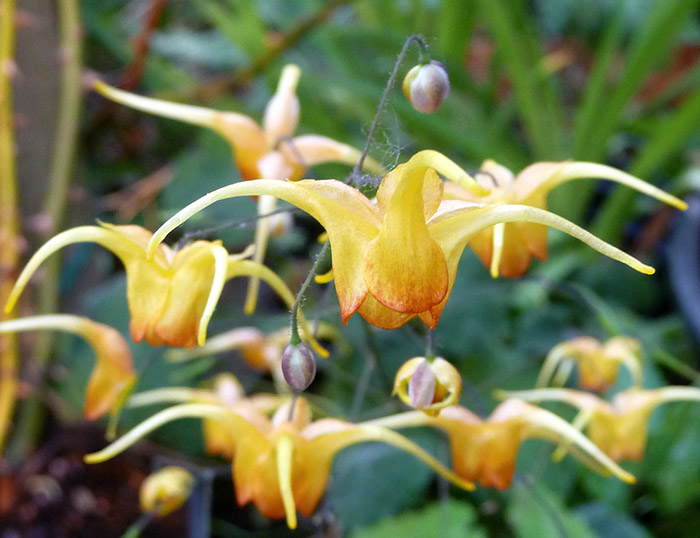
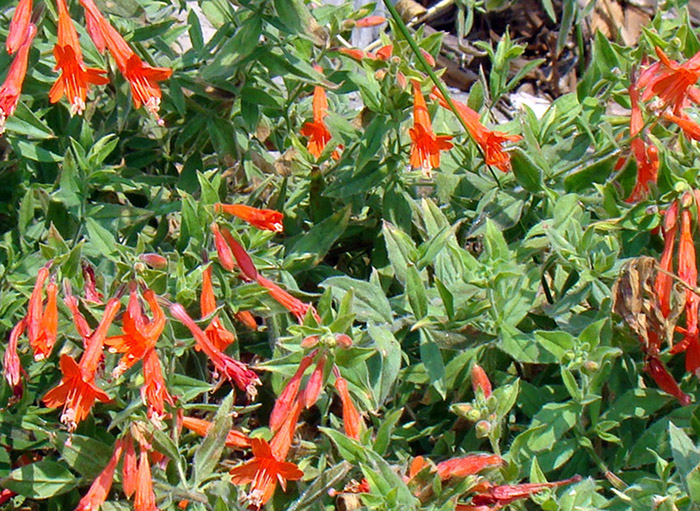
Aquilegia canadensis, commonly called eastern red columbine or wild columbine, is a valuable perennial for Chicagoland gardens. Its nodding red-and-yellow flowers arrive in spring, often before many woodland and native-plant beds reach their full height. The finely divided foliage adds a soft texture, while the flowers provide nectar for hummingbirds and early-season pollinators.
Its appeal includes a willingness to reproduce from seed. In the right garden, one plant can gradually become a loose colony without aggressive runners or difficult-to-remove roots. That habit can be useful in naturalistic plantings, although gardeners who want strict spacing should understand how seed production, site conditions, and maintenance practices affect the number of volunteer seedlings.
Regional evaluation helps place this behavior in context. A plant that self-sows modestly in a dry shade garden may spread more noticeably in open soil, among mulch, or near other established columbines. Observing the plant across several seasons gives home gardeners a more reliable picture than relying on a single nursery description.
How the plant reproduces
Eastern red columbine produces upright seed pods after flowering. As the pods mature, they open and release numerous small seeds near the parent plant. Wind, rain, insects, animals, and routine garden activity can move some seed into nearby cracks, path edges, or exposed soil. Most seedlings tend to appear within a short distance of the original plant, creating a gradually expanding patch rather than a fast-moving groundcover.
Seed production depends on pollination and weather. A healthy plant in a garden visited by bees and hummingbirds may form many pods, while a shaded or stressed specimen may produce fewer viable seeds. Warm, dry conditions can shorten the display and reduce seed development, whereas moderate moisture during spring and early summer may support stronger plants and heavier flowering.
The seedlings do not always match the parent exactly. Aquilegia canadensis can cross with other columbine species and hybrids, so offspring may vary in flower color, height, spur shape, or bloom timing. A named cultivar may therefore produce seedlings that gradually return to a more variable, natural-looking appearance.
What Chicagoland gardeners may observe
In the Chicago region, wild columbine is generally well suited to woodland edges, rain gardens with good drainage, native borders, and lightly shaded perennial beds. It tolerates cold winters and often reappears early in spring. A site with dappled light, lean soil, and moderate drainage usually encourages a restrained, attractive population of seedlings.
Volunteer plants are most likely where bare soil is available. Seedlings can emerge between established perennials, along stone paths, at the base of retaining walls, or in lightly covered beds. A dense layer of coarse mulch may reduce germination, while thin mulch or exposed soil can make new plants easier to notice.
Self-seeding is usually gradual rather than explosive. A mature planting may produce several volunteers in a season, followed by more seedlings in subsequent years if the site remains favorable. Some young plants fail from drought, competition, slug damage, or heavy summer shade. This natural thinning helps prevent every seedling from reaching maturity.
Gardeners should also distinguish self-seeding from vegetative spread. Aquilegia canadensis does not normally form spreading stolons or rhizomes that travel through a border. When a new plant appears away from the original clump, it is usually a seedling or a plant that was moved during weeding or soil disturbance.
A practical comparison of seed behavior
The following observations provide a useful framework for evaluating volunteer columbines in home landscapes. Actual results will vary with rainfall, soil exposure, nearby plants, and the genetic makeup of the planting.
| Garden condition | Likely seedling response | Maintenance implication |
|---|---|---|
| Dry, open woodland edge | Moderate volunteer production | Allow selected seedlings to fill natural gaps |
| Rich soil with regular moisture | More vigorous seedlings and larger plants | Thin plants if the display becomes crowded |
| Dense groundcover or thick mulch | Few visible seedlings | Remove mulch from desired sowing areas |
| Mixed columbine planting | Variable flower colors and forms | Keep attractive seedlings and label special plants |
| Formal border with defined spacing | Seedlings may appear in unwanted places | Remove young volunteers before roots develop |
| Lightly disturbed path edges | Occasional scattered plants | Decide whether informal colonization suits the design |
A useful evaluation records more than the number of seedlings. Note where they appear, how many survive their first summer, whether they flower in the second year, and whether their form fits the intended planting. This distinction separates abundant germination from meaningful establishment.
Timing also matters. Columbine seedlings may be inconspicuous during their first season, displaying only a small rosette of foliage. By the following spring, established young plants are easier to identify and relocate. Marking desirable seedlings with a small label can prevent accidental removal during spring cleanup.
Managing seedlings without losing the natural effect
Gardeners who welcome a self-renewing colony can leave some seed pods intact. Allowing a few mature plants to scatter seed creates a layered appearance that works well with ferns, sedges, woodland phlox, Jacob’s ladder, and other shade-tolerant perennials. Selective thinning keeps the group open enough for air circulation and reduces competition for moisture.
Those who prefer more control can remove spent flowers before seed pods fully mature. This practice redirects some energy toward foliage and limits the number of volunteers. It does not eliminate future seedlings already present in the soil, so consistent observation remains important.
Dead foliage can be left in place for a period after flowering, especially in a naturalistic planting where seed maturation is desired. When tidying the bed, use regionally appropriate timing described in this guide to cut back perennials, since premature cleanup may remove developing seed or disturb overwintering insects.
Small seedlings are easiest to move in spring or early fall while the soil is workable. Lift them with as much root as possible, replant at the same depth, and water until established. Larger plants develop a deeper taproot and may resent disturbance, so thinning young plants is usually more successful than relocating mature specimens.
Evaluating performance over several seasons
A meaningful home-garden trial should extend beyond the first year. Record the original plant’s bloom period, height, flower color, and seed production, then track volunteer seedlings in the same bed. In Chicagoland, spring weather can vary widely, so a single season may exaggerate or understate the plant’s reproductive performance.
Compare plants growing under similar conditions whenever possible. One columbine in moist amended soil and another beneath a dry tree will not offer a fair comparison. Photographing the bed at flowering time and again in late summer can reveal whether seedlings remain compact, become crowded, or disappear under competition.
It is also useful to evaluate aesthetics and ecological function together. A dense patch may provide more flowers for pollinators but less visual space for neighboring plants. Scattered seedlings can look intentional in a naturalistic border, while the same pattern may seem untidy in a symmetrical foundation bed.
Watch for hybridization when several Aquilegia types grow nearby. Volunteer plants with unusual colors or forms may be worth preserving, but they should not be assumed to be true-to-type versions of the original species. Garden records can note flower characteristics and help identify which plants perform best in the local setting.
Practical ways to guide self-seeding
A few simple decisions can make wild columbine’s reproductive habit work for either an informal native planting or a carefully edited border. The goal is to manage location and density rather than treat every seedling as a problem.
- Leave seed pods on a few strong plants where new growth is welcome.
- Remove developing pods from plants growing beside paths, steps, or tightly spaced companions.
- Thin seedlings while they are small, keeping the healthiest plants in well-drained locations.
- Use a light, consistent mulch layer to reduce germination in formal beds.
- Monitor mixed columbine plantings for seedlings with desirable flower color, form, or bloom timing.
These practices also support clearer evaluation. If every seed pod is removed one year and left intact the next, the difference in volunteer production becomes easier to see. Gardeners can then decide whether the plant’s natural increase is an asset, a minor maintenance task, or a reason to choose a sterile or less freely seeding cultivar.
For public gardens, growers, and landscape professionals, documenting this behavior can improve plant recommendations for the region. A plant described simply as “self-seeding” gives little information about speed, density, or placement. Notes from multiple Chicagoland gardens can show whether Aquilegia canadensis remains manageable across different soil types, exposures, and maintenance styles.
With its early flowers, native wildlife value, and adaptable habit, eastern red columbine is often a strong candidate for Chicago-area gardens. Its seedlings are generally easy to recognize and remove, and the plant rarely behaves like an aggressive spreader when compared with runners or invasive groundcovers. The most successful approach is attentive selection: allow volunteers where they strengthen the planting, and thin them where design or plant health requires more space.
Record what happens in your own garden through spring bloom, summer dormancy, and the following seedling season, then share those observations with local perennial evaluation efforts. Your notes can help build a clearer regional picture of how this graceful native perennial performs from one Chicagoland site to the next.
In the Garden
Evaluator gardens are located across the Chicagoland area, representing a range of growing conditions. Visit our retail and wholesale partners to find trialled perennials for your own garden.
Retail & Wholesale: Hinsdale Nurseries (Willowbrook, IL), Mariani Nurseries (Kenosha, WI & Garden Prairie, IL), Northwind Perennials (Burlington, WI), The Growing Place (Aurora, IL).
Wholesale Only: Hinsdale Nurseries (Plano, IL), Intrinsic Perennial Gardens (Hebron, IL).
Our Evaluation Program
The 2017–2020 evaluation cycle included Agastache 'Blue Boa', Allium senescens 'Blue Eddy', Amsonia ciliata var. filifolia 'Georgia Pancake', Astilbe 'Chocolate Shogun', Boltonia astroides 'James Crocket', Brunnera 'Alexander's Great', and Geranium cinereum 'Jolly Jewel Purple'. Completed evaluations include Amsonia 'Blue Ice' (2004–07).
On April 10, 2020, the program published snapshot profiles for Vernonia lettermanii 'Iron Butterfly', Stokesia laevis 'Elf', Stachys officinalis 'Pink Cotton Candy', Lobelia 'Monet Moment', Helleborus 'Winter Thrillers', Geum 'Mai Tai', Geranium soboliferum 'Butterfly Kisses', Gentiana x intermedia 'True Blue', Eurybia divaricata, Asparagus 'Purple Passion', and Agastache 'Bolero'.
Browse the full collection of snapshots organized alphabetically — from A–D, E–H, I–Q, and R–Z — to find detailed performance data on perennials trialled across Chicagoland.