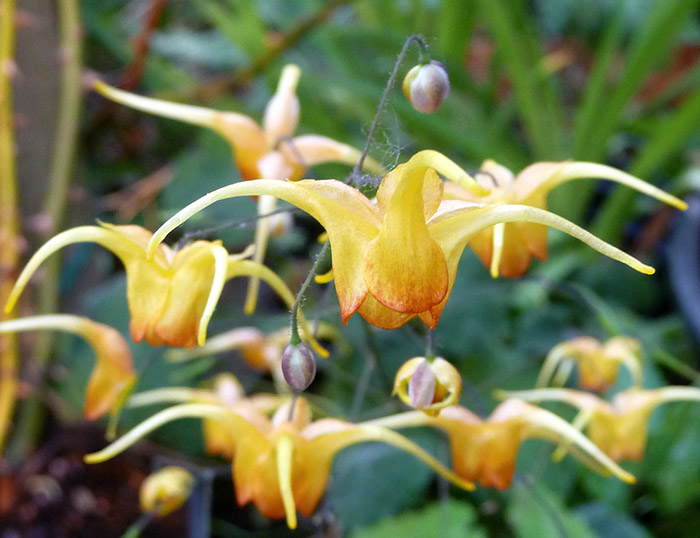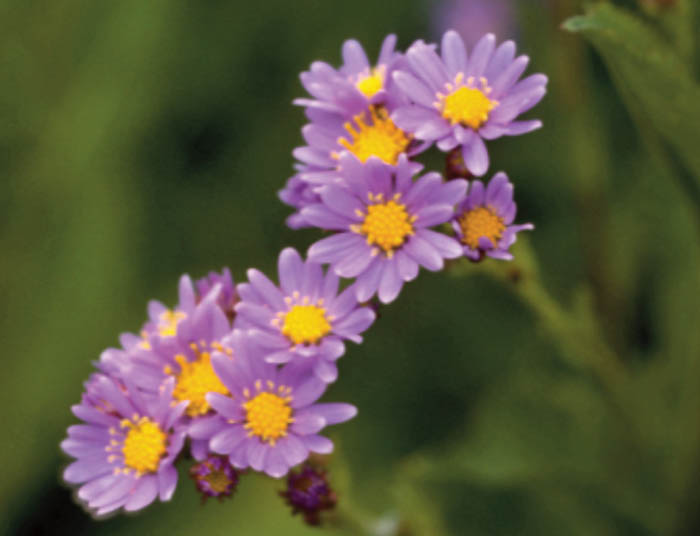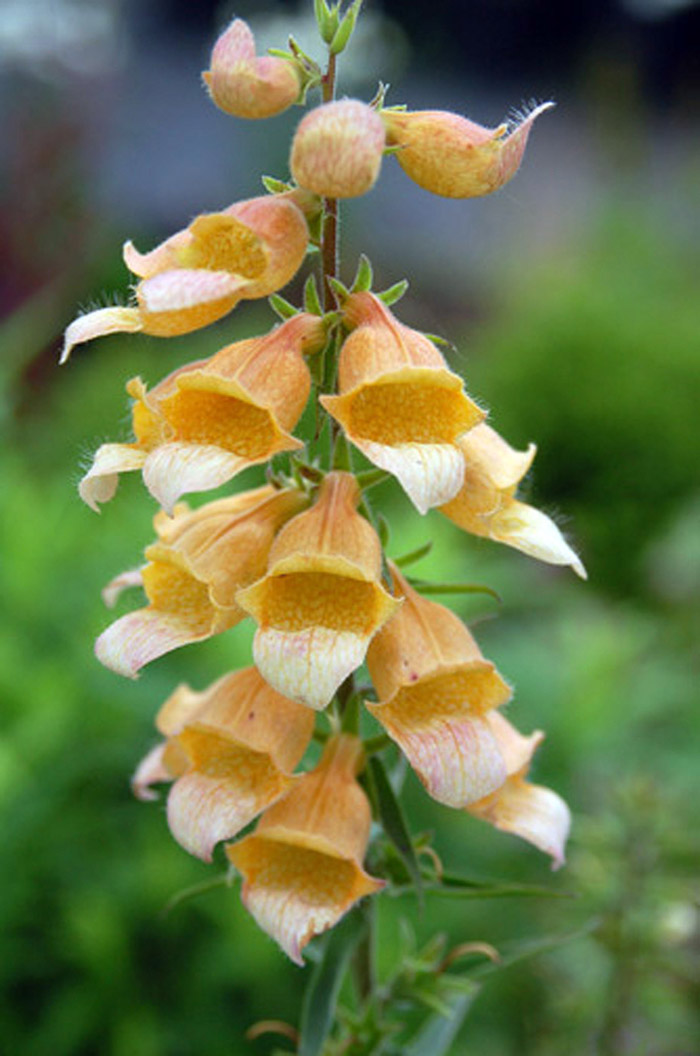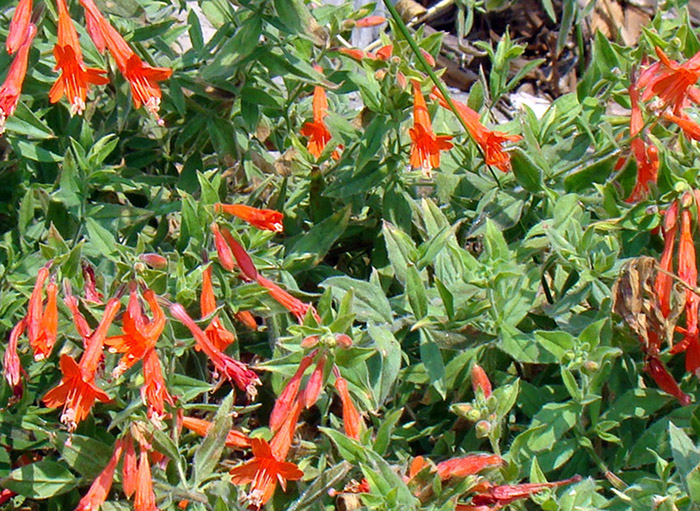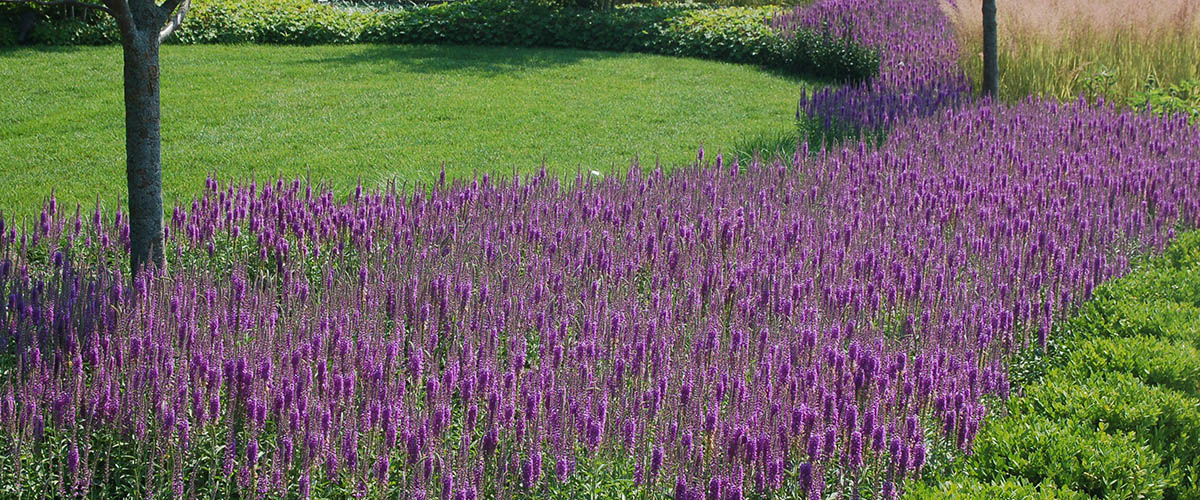
Evaluating Perennials for Chicagoland Gardens
Perennials in Focus is a plant evaluation program that examines new and underused plants for Chicagoland, the third largest metropolitan area in the country. A group of horticultural experts trials and evaluates plants at numerous locations across the region. Results help consumers, public gardens, growers, landscape designers, breeders, and other industry professionals make informed plant choices.
Finding Fragrant Phlox for Australian Evening Gardens
Fragrant garden phlox (Phlox paniculata) can change the character of a planting after sunset. During the day, its large flower heads provide colour and structure; in the evening, warm air can carry a sweet, spicy or honeyed scent across a patio. Yet fragrance is easily overestimated when a cultivar is judged from a single plant, a cool morning or a sheltered nursery bench.
A careful evaluation needs repeated observations across cultivars, seasons and garden settings. The Perennials in Focus approach is especially useful because it records performance in regional trials, while Australian gardeners can adapt the method to conditions in Melbourne, Sydney, Adelaide, Brisbane and other climates where heat, humidity, irrigation rules and plant availability influence results.
What Makes Phlox Fragrance Worth Measuring
Scent in phlox is produced by volatile compounds released from the flowers, and release is affected by temperature, humidity, wind and the age of individual blooms. A cultivar that seems faint at midday may become noticeably perfumed between dusk and 9 pm, particularly when the air is still. Conversely, a strong daytime fragrance may fade after several hot days.
The evaluation should distinguish fragrance intensity from fragrance quality. Intensity describes how far the scent travels, while quality records whether it is sweet, spicy, floral, powdery or resinous. Some gardeners prefer a gentle, clean perfume near a seating area, whereas a stronger cultivar may suit a path or boundary where its scent can disperse.
Building A Useful Evening Trial
Plant at least three specimens of each cultivar in comparable soil, with similar irrigation and exposure. A single plant can give a misleading impression because nutrition, root competition and flower quantity all affect the apparent fragrance. Trials should include both an open position and a partly sheltered position if space permits.
Record observations at late afternoon, sunset and later in the evening. A simple scale from 0 to 5 can cover no detectable scent through to powerful fragrance, but written notes are essential. Record wind direction, recent rainfall, temperature, humidity, flower age and whether foliage is wet. These details help explain why the same phlox performs differently from one evening to the next.
The trial snapshots provide a useful model for presenting plant observations in a concise, comparable format. Australian gardeners can add a fragrance field to those records and build a locally relevant reference over several flowering seasons.
Cultivars To Include In The Comparison
‘Jeana’ is frequently selected for fragrance trials because it produces numerous small pink flowers and can create a substantial scent cloud when fully established. Its flower heads may be less visually dramatic than some large-flowered cultivars, but the number of blooms can compensate when evening fragrance is the main goal.
‘David’ offers white flowers and a strong garden presence, with useful resistance to powdery mildew in many trial settings. Its fragrance should be assessed rather than assumed, since white flower colour does not guarantee a stronger perfume. ‘Franz Schubert’, ‘Bright Eyes’ and ‘Nicky’ add contrasting flower colours and habits, allowing evaluators to see whether scent is linked to bloom density, plant size or cultivar background.
A practical trial can also include a locally available unnamed garden phlox as a baseline. Australian nurseries may stock a different selection from North American trial gardens, and availability can vary between a specialist perennial grower, a large garden centre and a mail-order nursery. Recording the source and plant age makes the results more useful.
| Cultivar | Flower character | Fragrance points to assess | Evening garden use |
|---|---|---|---|
| ‘Jeana’ | Dense clusters of pink flowers | Sweetness, reach and persistence | Near paths or outdoor seating |
| ‘David’ | White flowers on upright stems | Clean floral note and response to heat | Moon gardens and mixed borders |
| ‘Franz Schubert’ | Soft lilac-blue flowers | Strength after sunset and in still air | Cottage-style planting |
| ‘Bright Eyes’ | Pink flowers with a contrasting eye | Delicacy versus intensity | Close viewing beside a terrace |
| ‘Nicky’ | Deep magenta-purple flowers | Spicy or heavy notes, if present | Back of a border or cutting area |
Reading Fragrance In Different Australian Climates
Climate can alter both flowering and scent release. In Melbourne and Adelaide, warm summer afternoons followed by cooler evenings may produce a short but distinct fragrance window. Plants may need reliable deep watering through dry periods, while gardeners should still avoid constantly wet foliage, which can encourage fungal problems.
Sydney and Brisbane bring higher humidity and, in some areas, heavier summer rainfall. Humid air can help scent linger, but dense foliage and poor air movement may increase disease pressure. Wider spacing, morning irrigation and a position with gentle air circulation can make evening assessments more reliable.
In Canberra and inland districts, cold nights may reduce the hours when scent is perceptible, while intense summer sun can shorten flower life. In every region, an evening trial should be repeated after mild days, hot days and rain rather than relying on a single ideal night.
Designing Around Scent And Daily Habits
Fragrance is best experienced where people naturally slow down. A phlox border beside a deck, verandah or outdoor dining area can contribute more than the same plants at the far end of a large lawn. This suits the Australian habit of moving outside for dinner, a weekend barbecue or a quiet drink once the heat of the day has eased.
Plant height and flower position matter. Taller cultivars can be placed behind low herbs and groundcovers, but their scent may pass above seated visitors if the border is too high. A staggered planting beside a path allows flowers to sit closer to nose level, while pale flowers such as white or soft pink also become easier to see under garden lighting.
Avoid placing heavily scented phlox directly beside competing perfumes from jasmine, gardenia, strongly aromatic herbs or scented candles. A quieter planting zone makes differences between cultivars easier to notice and prevents the garden from becoming olfactorily crowded.
Managing Water, Soil And Flowering
Phlox paniculata performs best in fertile, moisture-retentive soil that drains freely. Incorporate organic matter before planting, apply mulch without burying the crowns and water deeply during establishment. In areas affected by council water restrictions, use drip irrigation or hand watering at the root zone, and check current local rules before installing or operating irrigation systems.
Regular deadheading can extend the display and create fresh opportunities for fragrance assessment. Remove spent flower heads after recording their performance, but leave enough developing blooms to judge how scent changes as a cluster matures. A light support system may be needed in windy gardens, especially when plants receive extra water and produce tall, heavy stems.
Powdery mildew is more likely where foliage remains dry but air circulation is poor, while other fungal issues can increase with prolonged wetness. Choose a sunny position, avoid crowding and compare cultivars for foliage quality as well as perfume. A fragrant plant with collapsing leaves may offer less value than a slightly milder cultivar that remains attractive for weeks.
Turning Observations Into Reliable Plant Choices
A useful record should combine fragrance with flowering time, flower colour, height, spread, disease response and attractiveness to pollinators. Note whether scent is detectable across the border or only within arm’s reach. Also record how many flower heads are open, because a cultivar with moderate scent per flower may smell stronger overall when it produces a larger display.
Repeat observations over at least two flowering seasons. First-year plants may be smaller and less floriferous, while established clumps can produce a very different evening presence. In Australian gardens, summer heatwaves, irrigation limits and unusually wet seasons can all alter the result, so a multi-year record is more dependable than a nursery label.
Growers and landscape professionals can use these results to match cultivars with site conditions and customer expectations. Retailers can describe scent more responsibly by stating when it was observed and under what conditions, rather than promising a fixed level of perfume for every garden.
Choosing Plants Responsibly For Local Gardens
Australian buyers should check whether a cultivar is currently sold by reputable local nurseries and whether it is suitable for their state or territory. Plant movement is subject to biosecurity requirements, and restrictions can apply to bringing live plants, soil or propagation material across state borders. Gardeners should consult official state rules before sharing divisions or ordering material from another region.
The local market also affects trial design. A rare cultivar may perform beautifully but be difficult for customers to replace, while a widely stocked plant can have greater practical value. Include availability, pot size and true-to-type labelling in the final assessment, particularly when recommending plants for public gardens, housing developments or retail collections.
Select the cultivar whose fragrance, flowering period and maintenance needs fit the site. Begin with a small group near an evening-use area, keep careful notes through the season and share dependable observations with local growers and gardeners. That evidence can help make fragrant phlox a considered part of Australian perennial planting rather than a purchase based on a vague promise of scent.
In the Garden
Evaluator gardens are located across the Chicagoland area, representing a range of growing conditions. Visit our retail and wholesale partners to find trialled perennials for your own garden.
Retail & Wholesale: Hinsdale Nurseries (Willowbrook, IL), Mariani Nurseries (Kenosha, WI & Garden Prairie, IL), Northwind Perennials (Burlington, WI), The Growing Place (Aurora, IL).
Wholesale Only: Hinsdale Nurseries (Plano, IL), Intrinsic Perennial Gardens (Hebron, IL).
Our Evaluation Program
The 2017–2020 evaluation cycle included Agastache 'Blue Boa', Allium senescens 'Blue Eddy', Amsonia ciliata var. filifolia 'Georgia Pancake', Astilbe 'Chocolate Shogun', Boltonia astroides 'James Crocket', Brunnera 'Alexander's Great', and Geranium cinereum 'Jolly Jewel Purple'. Completed evaluations include Amsonia 'Blue Ice' (2004–07).
On April 10, 2020, the program published snapshot profiles for Vernonia lettermanii 'Iron Butterfly', Stokesia laevis 'Elf', Stachys officinalis 'Pink Cotton Candy', Lobelia 'Monet Moment', Helleborus 'Winter Thrillers', Geum 'Mai Tai', Geranium soboliferum 'Butterfly Kisses', Gentiana x intermedia 'True Blue', Eurybia divaricata, Asparagus 'Purple Passion', and Agastache 'Bolero'.
Browse the full collection of snapshots organized alphabetically — from A–D, E–H, I–Q, and R–Z — to find detailed performance data on perennials trialled across Chicagoland.