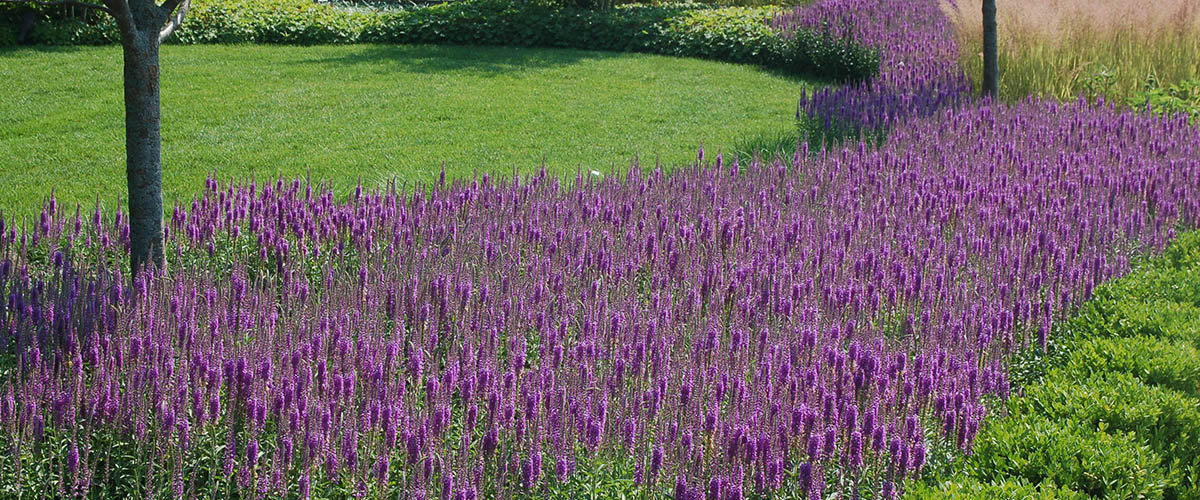
Evaluating Perennials for Chicagoland Gardens
Perennials in Focus is a plant evaluation program that examines new and underused plants for Chicagoland, the third largest metropolitan area in the country. A group of horticultural experts trials and evaluates plants at numerous locations across the region. Results help consumers, public gardens, growers, landscape designers, breeders, and other industry professionals make informed plant choices.
Measuring Hibiscus Flower Size After Heavy Rain
Hibiscus moscheutos, commonly called hardy hibiscus or rose mallow, produces dinner-plate flowers that attract attention in borders, rain gardens and public plantings. Their impressive size can vary from one day to the next, however, particularly when intense rain bends stems, saturates petals and leaves flowers partially closed.
For growers and gardeners in Australia, flower diameter is useful only when it is recorded alongside weather, plant age and cultivar. A bloom that appears smaller after a storm may reflect temporary water damage rather than a genuine decline in genetic performance. Careful observation can separate stable flower size from short-lived weather effects.
Why Flower Size Needs Careful Assessment
A flower’s measured diameter includes several biological and environmental influences. Genetics set the approximate range, while temperature, light, soil moisture, nutrition and plant maturity affect how fully each bloom expands. Heavy rain adds another layer by weighing down petals and causing them to fold, twist or cling together.
The most reliable assessment compares flowers at the same stage of opening. A bloom measured shortly after dawn may be smaller than the same bloom later in the day, even without rain. Recording the flower before rainfall, within several hours of the event and again after recovery gives a more useful picture than relying on a single visual impression.
This disciplined approach has something in common with the reflective habits encouraged by biographies of thinkers: repeated observation often reveals patterns that a quick judgement misses.
What Heavy Rain Does To Hardy Hibiscus
Large, thin petals can hold water across their surface. In a severe downpour, droplets may crease the petal tissue, pull the flower downward or cause the bloom to close before its full diameter is visible. Wind-driven rain can create more damage than calm rainfall of the same total amount because petals are struck from several directions.
Rain may also affect the supporting plant. Tall stems can lean, changing the angle at which flowers open and making them appear narrower from above or from the side. Mud splash can mark pale flowers, while prolonged wetness may shorten their display life. These effects should be recorded separately from actual flower size.
A stable cultivar will generally return to its usual opening pattern when conditions improve. A vulnerable one may show repeated tearing, persistent distortion or a marked reduction in usable display area after each storm.
Building A Consistent Trial Method
Select several plants of each cultivar and tag representative stems. Measure at least five flowers per plant when possible, using a ruler or callipers placed across the widest natural span. Avoid stretching petals into an artificial circle. Record the date, time, flower age, diameter, colour, petal condition and whether the flower is fully open.
Rainfall should be described with more precision than “wet” or “very wet”. Note the duration, approximate intensity, wind exposure and the number of hours between the storm and measurement. In Australia, local observations can be paired with Bureau of Meteorology rainfall records, which helps distinguish a brief shower from a long, soaking event.
Photographs taken from directly above are valuable, especially when a flower is irregular. Place a scale beside, rather than under, the bloom so the supporting material does not alter its shape. The same camera distance and angle make comparisons between cultivars more dependable.
Separating Cultivar Performance From Site Effects
A plant in full sun may produce larger, more open flowers than the same cultivar in a shaded position. Soil that drains slowly can maintain vigorous growth, yet saturated conditions may weaken stems or delay recovery. Competition from nearby shrubs, uneven irrigation and differences in compost or fertiliser can also influence results.
For a fair comparison, group plants with similar exposure and spacing. If the trial includes multiple gardens, retain the site as part of the record rather than treating it as unwanted variation. A cultivar that performs consistently across contrasting gardens may be more useful to landscapers than one that produces a larger maximum bloom in a single sheltered location.
The Chicagoland focus of regional evaluation is especially relevant here. Cold winters, humid summers and storm patterns differ from Australian conditions, so local users should treat published findings as evidence of performance under a particular climate rather than a universal guarantee.
Reading Results For Australian Gardens
Australian gardeners will see different stress combinations depending on location. Sydney and coastal New South Wales may experience humid summer rain, while Brisbane can combine intense downpours with high temperatures. Melbourne gardeners may face cooler wet spells followed by drying winds, and Perth growers often need to manage a sharper contrast between dry summers and episodic rain.
These conditions affect the meaning of “stable” flower size. In a subtropical garden, rapid recovery after frequent storms may matter more than the largest recorded bloom. In Melbourne, a cultivar that opens reliably during cool, changeable weather may be preferable to one with spectacular flowers only during short warm periods.
Watering habits also matter. Many Australian gardeners irrigate early in the morning, use mulch to reduce evaporation and adjust watering during local restrictions. Drip irrigation or targeted hand watering helps avoid adding unnecessary moisture to open flowers, while good drainage reduces the risk that heavy rain will leave roots in saturated soil.
Choosing Plants For The Local Market
Nurseries and garden centres often sell hardy hibiscus while plants are young or not yet in flower. A label promising very large blooms should be supported by information about mature height, spread, flowering season and stem strength. Buyers may reasonably want to know whether the advertised diameter describes an ideal flower or a typical performance across several weather conditions.
For growers, stability can be a stronger selling point than a single exceptional measurement. Plants that recover quickly after rain, hold their colour and produce fresh flowers in succession are easier to recommend for suburban gardens, council plantings and school landscapes. Public gardens can also use these records when choosing cultivars for high-visibility beds.
Biosecurity rules add a practical consideration. Requirements differ between Australian states and territories, and moving plants or soil across borders may be restricted. Retailers and gardeners should check current state or territory guidance before transporting stock, particularly when sourcing unusual selections from interstate.
Turning Measurements Into Useful Decisions
The best summary includes a mean flower diameter, a range and a recovery description. For example, a cultivar might average 22 centimetres before rain, fall to 18 centimetres immediately afterwards and return to 21 centimetres the following day. That pattern indicates temporary presentation damage rather than a permanent loss of flower potential.
It is also useful to record the percentage of flowers that remain commercially or visually acceptable. A cultivar with slightly smaller blooms but 90 percent intact after storms may outperform a larger-flowered selection that frequently tears or collapses. Colour retention, stem posture and the speed of new flower production complete the picture.
A collaborative program benefits from clear roles, shared scoring sheets and repeated observations. The Perennials in Focus evaluation team model demonstrates why coordinated assessment can produce information that individual backyard observations rarely provide.
| Assessment point | More stable response | More vulnerable response | Useful record |
|---|---|---|---|
| Diameter after rain | Small temporary reduction | Large or repeated reduction | Before-and-after measurements |
| Petal condition | Minor creasing, quick recovery | Tearing, sticking or collapse | Percentage of intact blooms |
| Stem strength | Flowers remain upright | Stems lean or lodge | Angle and support needs |
| Colour display | Colour remains clear | Fading, spotting or mud splash | Photo and colour notes |
| Recovery | Normal opening resumes within a day | Distortion continues for several days | Time to normal appearance |
When these details are combined, flower size becomes a practical indicator rather than a marketing claim. Gardeners can select cultivars suited to their rainfall pattern, growers can improve production recommendations, and evaluators can identify hardy hibiscus with dependable ornamental value.
Record the next flowering season with a ruler, dated photographs and simple weather notes. Share consistent observations with local horticultural groups, nurseries or regional trial programs so that Australian gardeners can make better-informed choices about Hibiscus moscheutos in storm-prone landscapes.
In the Garden
Evaluator gardens are located across the Chicagoland area, representing a range of growing conditions. Visit our retail and wholesale partners to find trialled perennials for your own garden.
Retail & Wholesale: Hinsdale Nurseries (Willowbrook, IL), Mariani Nurseries (Kenosha, WI & Garden Prairie, IL), Northwind Perennials (Burlington, WI), The Growing Place (Aurora, IL).
Wholesale Only: Hinsdale Nurseries (Plano, IL), Intrinsic Perennial Gardens (Hebron, IL).
Our Evaluation Program
The 2017–2020 evaluation cycle included Agastache 'Blue Boa', Allium senescens 'Blue Eddy', Amsonia ciliata var. filifolia 'Georgia Pancake', Astilbe 'Chocolate Shogun', Boltonia astroides 'James Crocket', Brunnera 'Alexander's Great', and Geranium cinereum 'Jolly Jewel Purple'. Completed evaluations include Amsonia 'Blue Ice' (2004–07).
On April 10, 2020, the program published snapshot profiles for Vernonia lettermanii 'Iron Butterfly', Stokesia laevis 'Elf', Stachys officinalis 'Pink Cotton Candy', Lobelia 'Monet Moment', Helleborus 'Winter Thrillers', Geum 'Mai Tai', Geranium soboliferum 'Butterfly Kisses', Gentiana x intermedia 'True Blue', Eurybia divaricata, Asparagus 'Purple Passion', and Agastache 'Bolero'.
Browse the full collection of snapshots organized alphabetically — from A–D, E–H, I–Q, and R–Z — to find detailed performance data on perennials trialled across Chicagoland.