Evaluating Perennials for Chicagoland Gardens
Perennials in Focus is a plant evaluation program that examines new and underused plants for Chicagoland, the third largest metropolitan area in the country. A group of horticultural experts trials and evaluates plants at numerous locations across the region. Results help consumers, public gardens, growers, landscape designers, breeders, and other industry professionals make informed plant choices.
Stokesia And Echinacea Flowering Through Heat Waves
Perennial performance is rarely explained by a single number of flowering days. A plant may produce its first flowers early, pause during severe heat, and then resume when nights cool. Gardeners comparing Stokesia laevis, commonly called Stokes’ aster, with Echinacea purpurea, or purple coneflower, should therefore assess the whole display: first bloom, peak colour, spent flowers, fresh buds and recovery after stress.
This comparison is especially useful for gardeners in Australia, where a Melbourne summer can bring dry northerly winds, Sydney gardens may face humid heat, and Brisbane beds can remain warm overnight. The plants have different responses to heat, moisture and soil drainage, so a longer calendar flowering period does not always create the more attractive border.
Observations from the Chicagoland region provide a valuable starting point because both plants are tested across seasons and garden conditions. However, local results need to be interpreted rather than copied directly. A plant that flowers steadily through a Midwestern summer may behave differently beside a sun-baked Australian driveway or under a household watering schedule shaped by local restrictions.
Flowering Patterns In Ordinary Summers
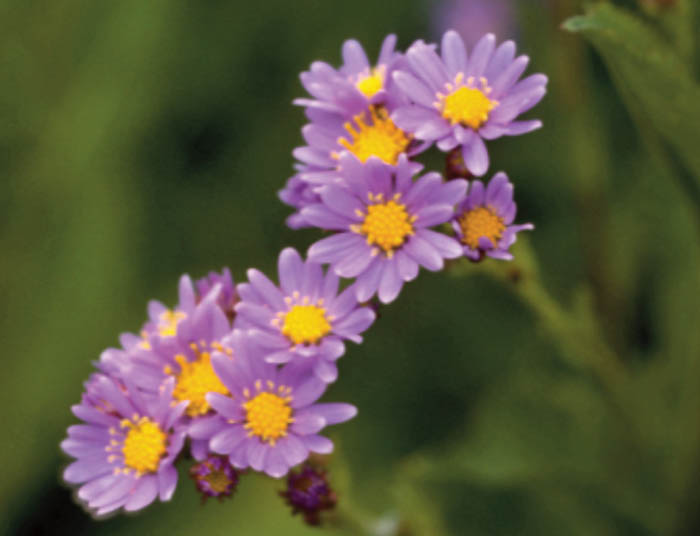
Stokesia generally begins flowering in early to mid-summer, producing large, cornflower-like blooms on upright stems. Its flowers can make a strong visual impact when the plant is compact and well branched. The main flush may be relatively concentrated, although removing spent flowers can encourage additional buds and extend the display.
Echinacea often builds into a longer succession of blooms. Established clumps can send up several stems over an extended period, with new flowers appearing as older ones fade. Its individual flower heads may remain decorative after the petals have dropped, giving the plant continued garden value even when fresh colour is temporarily reduced.
For this reason, a direct comparison of flowering duration needs two measures. Record how long the first flower remains attractive, then record how many weeks the plant continues to produce worthwhile new blooms. Stokesia may offer a pronounced peak, while Echinacea can provide a more sustained rhythm of flowers across the bed.
What Heat Waves Change
High temperatures can shorten the life of open flowers, bleach petal colour and increase water loss from foliage. Stokesia often prefers reliable moisture during active growth, especially in sandy or shallow soils. When the root zone becomes hot and dry, buds may abort or open unevenly, reducing the apparent length of the flowering season.
Echinacea is usually more forgiving once established, particularly in free-draining soil. Its deepening root system can help it continue flowering through short dry spells, but extreme heat still affects performance. Flowers may become smaller, stems can lose rigidity, and a long run of hot nights may delay the next wave of buds.
Comparing the flowering duration of Stokesia laevis versus Echinacea purpurea in heat waves therefore involves recovery as much as endurance. A plant that pauses for a week and then resumes strongly may be more useful than one that flowers continuously but declines rapidly after its first flush.
Soil, Drainage And Root Cooling
Stokesia performs best in a fertile, well-drained soil that does not remain waterlogged. It appreciates consistent moisture, yet its crown can suffer in heavy wet ground during humid weather. Mulch kept slightly away from the crown can moderate root temperatures and reduce evaporation without creating a persistently damp collar.
Echinacea tolerates a wider range of garden soils, provided drainage is reasonable. It can manage lean conditions and often suits low-input borders, but drought-stressed plants still benefit from deep watering during bud formation. A thorough soak is generally more useful than frequent shallow sprinkling, which encourages surface roots and leaves the lower root zone dry.
Trial notes comparing soil textures can sharpen these observations; for example, the discussion of sandy versus loamy soils offers a useful reminder that drainage and water retention influence perennial growth together. Gardeners should record soil texture alongside bloom dates rather than treating heat tolerance as an isolated genetic trait.
Reading The Australian Garden Context
In Australia, planting position can shift the result dramatically. A Stokesia planted in full afternoon sun beside a west-facing brick wall in Adelaide or Perth may experience much greater root-zone heat than the same cultivar in an open Melbourne garden. Afternoon shade, reflective mulch and protection from hot wind can preserve buds and extend the useful flowering period.
Urban water habits also matter. Residents in parts of New South Wales, Victoria and South Australia may adjust watering during restrictions or local conservation campaigns, while many gardeners already reserve hand watering for newly planted or flowering plants. Grouping these perennials with plants that have similar moisture needs can make care more realistic than placing Stokesia in a dry, gravel-style bed.
The retail market adds another variable. Australian nurseries may stock Echinacea cultivars in a broad range of colours and forms, while Stokesia can be less consistently available and may appear through specialist perennial growers. Check the mature spread, crown condition and provenance of the plant rather than choosing solely by flower colour. Any imported seed or plant material must also comply with Australian biosecurity requirements, so reputable local suppliers are the safer route.
How To Measure A Fair Result
Use a simple garden record for each clump. Note the date of the first open flower, the date when the display reaches its best, the number of flower stems, and the point at which fewer than a third of the flowers remain fresh. Add daily maximum temperature, overnight warmth, rainfall and irrigation, because a heat wave with cool nights is different from one with prolonged hot evenings.
Photographs taken from the same position are especially useful. They reveal whether a plant has genuinely stopped flowering or is still producing scattered buds hidden beneath older stems. Record deadheading as well, since removing spent flowers can make the comparison unfair if only one species receives regular attention.
For professional or home trials, keep plants of similar age and size, use several specimens rather than a single plant, and compare cultivars separately. Guidance on evaluating light exposure and plant response can be found through this plant lighting resource, while the broader Perennials in Focus programme demonstrates the value of repeated observations across sites and seasons.
Choosing For A Longer Summer Display
Choose Stokesia when a border needs bold, cool-coloured flowers, strong vertical presence and a defined summer highlight. Give it sun, drainage and dependable moisture while it establishes. In very hot districts, a position with morning sun and protection from fierce late-afternoon heat may produce a longer attractive display than an exposed all-day site.
Choose Echinacea when resilience, pollinator value and an extended sequence of flower heads are priorities. It is often the safer option for a low-maintenance perennial border, especially where watering is limited after establishment. Cultivar differences remain important: some selections branch freely and rebloom, while others concentrate their energy into fewer, larger stems.
The strongest planting may include both. Stokesia can provide an early focal flush, and Echinacea can carry the composition forward as temperatures rise. Repeating each species in small groups, adding an organic mulch layer, and providing deep irrigation before severe heat arrives can help the border remain productive without encouraging lush, weak growth.
Track the first bloom, peak display and recovery of both plants through your next hot season. Share those observations with local gardeners, growers or trial networks so plant choices reflect real Australian conditions as well as published regional data.
In the Garden
Evaluator gardens are located across the Chicagoland area, representing a range of growing conditions. Visit our retail and wholesale partners to find trialled perennials for your own garden.
Retail & Wholesale: Hinsdale Nurseries (Willowbrook, IL), Mariani Nurseries (Kenosha, WI & Garden Prairie, IL), Northwind Perennials (Burlington, WI), The Growing Place (Aurora, IL).
Wholesale Only: Hinsdale Nurseries (Plano, IL), Intrinsic Perennial Gardens (Hebron, IL).
Our Evaluation Program
The 2017–2020 evaluation cycle included Agastache 'Blue Boa', Allium senescens 'Blue Eddy', Amsonia ciliata var. filifolia 'Georgia Pancake', Astilbe 'Chocolate Shogun', Boltonia astroides 'James Crocket', Brunnera 'Alexander's Great', and Geranium cinereum 'Jolly Jewel Purple'. Completed evaluations include Amsonia 'Blue Ice' (2004–07).
On April 10, 2020, the program published snapshot profiles for Vernonia lettermanii 'Iron Butterfly', Stokesia laevis 'Elf', Stachys officinalis 'Pink Cotton Candy', Lobelia 'Monet Moment', Helleborus 'Winter Thrillers', Geum 'Mai Tai', Geranium soboliferum 'Butterfly Kisses', Gentiana x intermedia 'True Blue', Eurybia divaricata, Asparagus 'Purple Passion', and Agastache 'Bolero'.
Browse the full collection of snapshots organized alphabetically — from A–D, E–H, I–Q, and R–Z — to find detailed performance data on perennials trialled across Chicagoland.