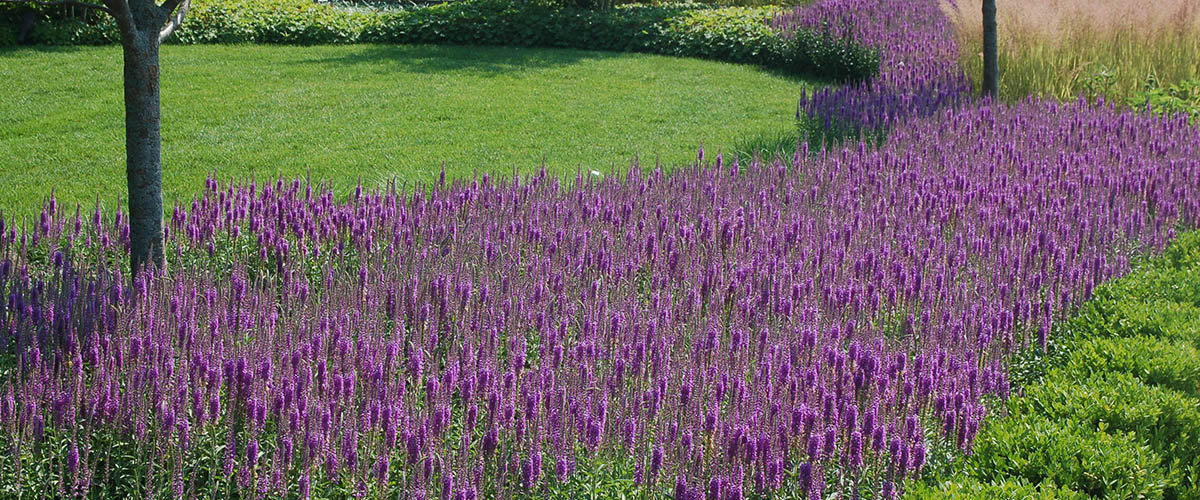
Evaluating Perennials for Chicagoland Gardens
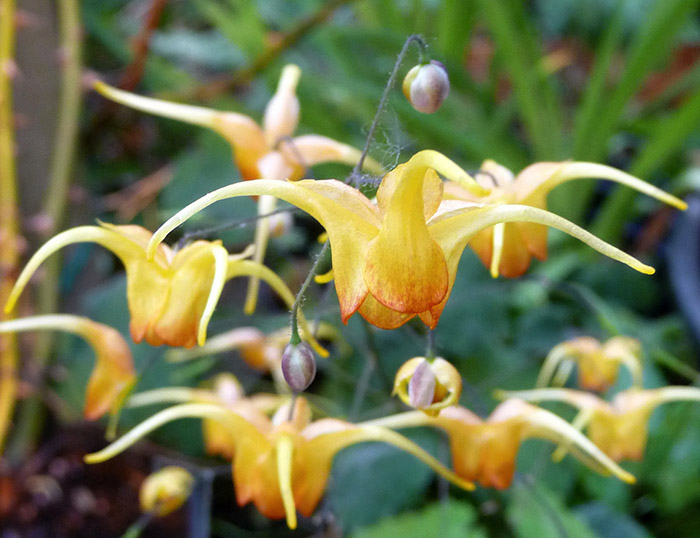
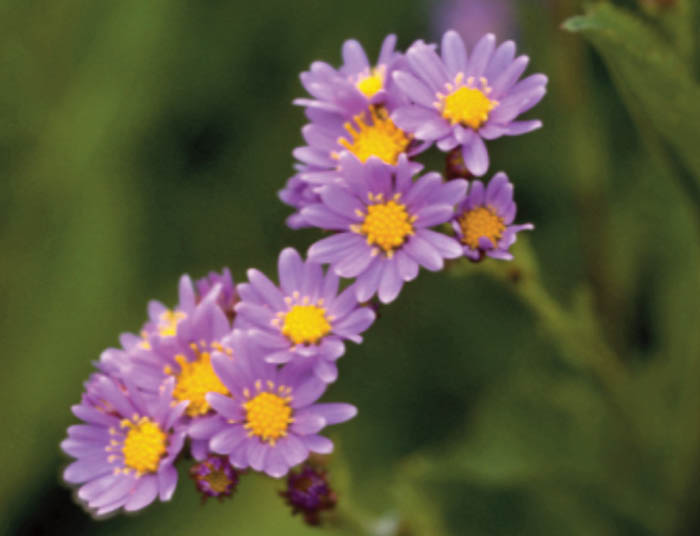
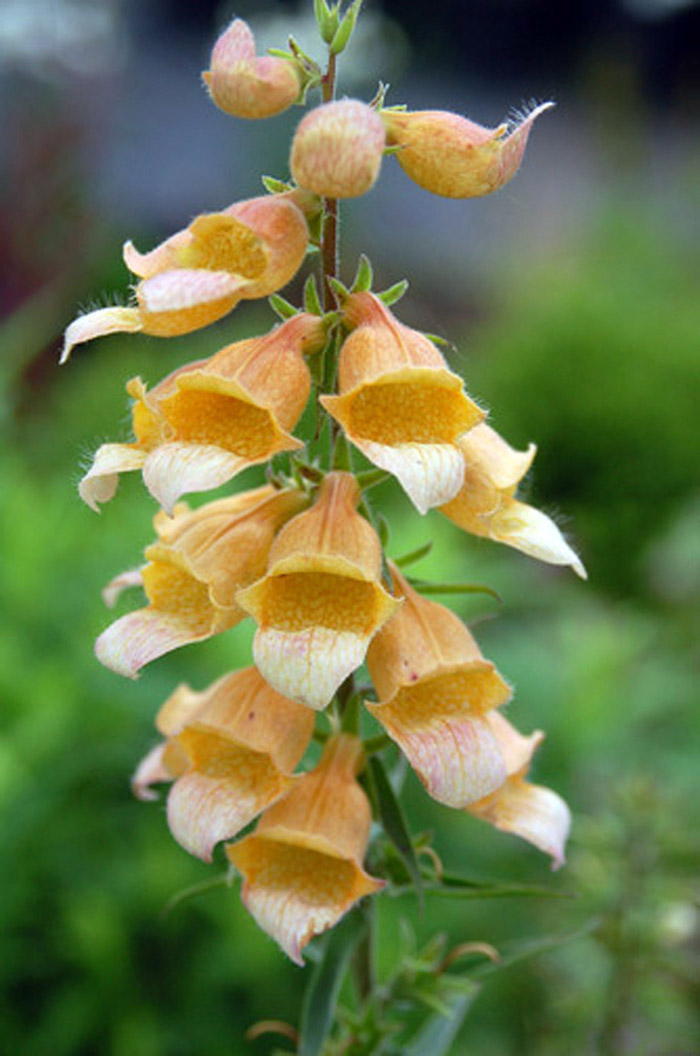
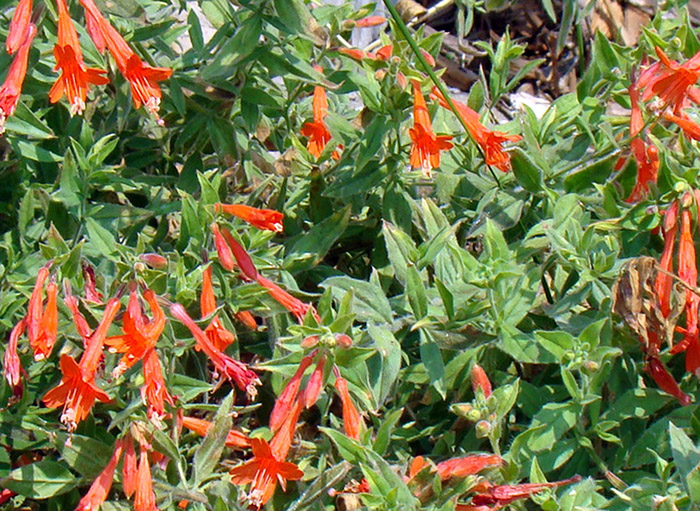
Perennials in Focus is a plant evaluation program that examines new and underused plants for Chicagoland, the third largest metropolitan area in the country. A group of horticultural experts trials and evaluates plants at numerous locations across the region. Results help consumers, public gardens, growers, landscape designers, breeders, and other industry professionals make informed plant choices.
Milkweed Bloom Overlap for Monarchs in Australia
Monarch habitat planning often focuses on familiar North American milkweeds, yet their performance in Australia cannot be copied directly from Chicago. Chicagoland has cold winters, warm summers and periodic drought; Melbourne has cool, changeable springs, Sydney has mild winters, and Brisbane can remain warm and humid for long stretches. Those differences alter establishment, flowering and the months when adult monarchs are most active.
Comparing the bloom overlap of Asclepias syriaca and Asclepias incarnata for monarchs starts with their contrasting habits. Common milkweed usually flowers earlier and spreads by sturdy rhizomes, while swamp milkweed generally opens later and favours consistently moist ground. The useful comparison is therefore the period when both offer nectar, alongside their reliability as larval host plants and their legal status in Australian gardens.
Common and swamp milkweed behave differently
Asclepias syriaca, or common milkweed, commonly reaches roughly 0.6–1.2 metres in rich, sunny soil. Rounded clusters of pink to mauve flowers appear above broad leaves, and established plants can persist through heat and dry weather. Its deep underground rhizomes make resilient clumps, but also allow the plant to spread beyond its original position and dominate a bed.
Asclepias incarnata, or swamp milkweed, usually forms a more upright, less aggressively spreading colony. Its deeper pink flowers appear in smaller clusters, and it performs best where soil remains cool and damp. In a trial garden, the difference between a droughty bed and a regularly watered site may matter more than the species name when judging flowering length.
What Chicagoland trials reveal
Perennials in Focus records bloom period, colour, height and spread across several gardens and seasons, giving Chicagoland a more useful regional baseline than a generic catalogue. In many temperate Chicago-area gardens, common milkweed begins opening in late May or June. Swamp milkweed commonly follows in June and may keep flowering into July or August, although cold springs, drought and establishment date can shift those dates.
Exact dates should not be treated as fixed promises because the same species can respond differently between a newly planted specimen and an established clump. The program’s early-spring nectar observations, although focused on queen bumble bees rather than monarchs, also shows why precise flowering records matter: a plant labelled “spring” may provide useful nectar for only a few weeks.
Where the monarch flowering overlap occurs
On a typical Chicago timeline, the two milkweeds share a substantial feeding window from June into early July. Adult monarchs can take nectar from both while common milkweed is still open and swamp milkweed is beginning. This overlap is valuable because it bridges the gap between the earliest summer flowers and the later succession of perennials, giving migrating or breeding adults a dependable local resource.
Rain can shorten an umbel’s usable life, while sustained heat may encourage common milkweed to stop and swamp milkweed to continue where moisture remains. A cool spring can delay both until nearly the same time, producing a short, concentrated overlap rather than two distinct seasons. For monarch observation, record first bloom, peak bloom and final bloom separately; a single date can conceal this pattern.
Bloom overlap is only part of the habitat
Milkweed flowers serve adult monarchs, but caterpillars require milkweed foliage for egg-laying and feeding. Both species can support the larval stage, yet monarchs do not necessarily use them equally: plant toughness, growth rate and cardenolide content can affect acceptance and survival. A garden that attracts egg-laying females but loses seedlings may look productive while supporting very little pupation.
Nectar planting should be broader than a two-species trial. Many adult monarchs feed from daisies, salvias, verbenas and other suitable flowers, while the milkweeds supply host foliage. A well-designed Australian habitat combines verified larval food with a succession of nectar plants, rather than expecting one milkweed to cover both roles through every stage of the monarch life cycle.
Australian seasons rewrite the calendar
Australian flowering does not simply move the Chicago schedule forward by six months. In Melbourne, cool spring soil and variable frost dates can delay establishment; warm, dry summers may shorten flowering unless plants receive deep irrigation. Sydney’s mild winters can permit growth over a longer season, while Brisbane’s heat and heavy seasonal rain may interrupt flowering even when plants remain leafy.
Monarch activity is similarly local. Populations around tropical Queensland and northern New South Wales may breed across many warm months, while southeastern populations often concentrate activity in spring and summer. Urban gardens near Sydney, Melbourne or Brisbane can therefore provide resources outside the traditional North American migration window. Local rainfall and heat, not imported bloom dates, should determine when observers search for eggs, larvae and visiting adults.
Gardeners can build a simple record for each clump, noting weekly flower abundance, plant height, new growth, rainfall and monarch sightings. Comparing a shaded corner with a sunny, mulched site over a full year is more informative than one season of dates. Such records also reveal whether an apparently continuous display is actually two brief flushes separated by heat, drought or pruning.
Source plants within biosecurity rules
Common milkweed has been recorded as naturalised in Australia and may be restricted or actively managed in some jurisdictions. Swamp milkweed is not automatically approved merely because it is sold overseas. Before ordering, check the exact botanical name with the state or territory biosecurity authority, local council and supplying nursery. Importing live plants or seed without permission can breach Australian biosecurity controls and introduce pests or weed seed.
Commercial labels add another layer of uncertainty. Australian nurseries may sell several species under broad names such as “milkweed” or “butterfly weed,” and an online listing can omit the accepted species name. Use the perennial plant shortlist to organise possible choices, then verify the label, mature size, provenance and local permit status before purchase. Reputable local growers and native-plant specialists are safer starting points than unverified overseas suppliers.
Build a continuous monarch habitat
Begin by choosing a lawful, locally suitable host plant and pairing it with nectar species that flower before, during and after the milkweed’s peak. Include early spring, late summer and autumn options suited to your region, because a six-week milkweed display cannot support every adult that passes through. Keep several nectar sources close together, and leave some late-flowering stems standing where local guidance permits.
Monitor the whole life cycle rather than counting flowers alone. Note when adults feed, where eggs appear, whether larvae complete development, and whether the host clump survives local weather. Record spread carefully, remove seed heads where required, and prevent common milkweed’s rhizomes from entering neighbouring beds. Choose a compliant local plant today, map its likely flowering window, and pair it with complementary nectar plants to create a safer, more continuous monarch habitat across the next growing season.
In the Garden
Evaluator gardens are located across the Chicagoland area, representing a range of growing conditions. Visit our retail and wholesale partners to find trialled perennials for your own garden.
Retail & Wholesale: Hinsdale Nurseries (Willowbrook, IL), Mariani Nurseries (Kenosha, WI & Garden Prairie, IL), Northwind Perennials (Burlington, WI), The Growing Place (Aurora, IL).
Wholesale Only: Hinsdale Nurseries (Plano, IL), Intrinsic Perennial Gardens (Hebron, IL).
Our Evaluation Program
The 2017–2020 evaluation cycle included Agastache 'Blue Boa', Allium senescens 'Blue Eddy', Amsonia ciliata var. filifolia 'Georgia Pancake', Astilbe 'Chocolate Shogun', Boltonia astroides 'James Crocket', Brunnera 'Alexander's Great', and Geranium cinereum 'Jolly Jewel Purple'. Completed evaluations include Amsonia 'Blue Ice' (2004–07).
On April 10, 2020, the program published snapshot profiles for Vernonia lettermanii 'Iron Butterfly', Stokesia laevis 'Elf', Stachys officinalis 'Pink Cotton Candy', Lobelia 'Monet Moment', Helleborus 'Winter Thrillers', Geum 'Mai Tai', Geranium soboliferum 'Butterfly Kisses', Gentiana x intermedia 'True Blue', Eurybia divaricata, Asparagus 'Purple Passion', and Agastache 'Bolero'.
Browse the full collection of snapshots organized alphabetically — from A–D, E–H, I–Q, and R–Z — to find detailed performance data on perennials trialled across Chicagoland.