Evaluating Perennials for Chicagoland Gardens
Perennials in Focus is a plant evaluation program that examines new and underused plants for Chicagoland, the third largest metropolitan area in the country. A group of horticultural experts trials and evaluates plants at numerous locations across the region. Results help consumers, public gardens, growers, landscape designers, breeders, and other industry professionals make informed plant choices.
Best Perennials for Underplanting Hosta Beds to Extend Seasonal Interest
Hostas are valued for their bold foliage, but their display begins relatively late and often fades after flowering. The open soil around them can look bare in early spring and tired by autumn. Carefully chosen companion perennials fill those gaps while protecting the calm, leafy character of a hosta bed.
In the Chicagoland region, the most useful underplanting plants cope with cold winters, humid summers, variable rainfall and competition from established roots. A successful combination offers several layers of interest: early flowers before the hostas unfurl, textured foliage during summer, and seed heads or autumn colour after the first frost.
Australian gardeners can use the same design principles, though local climate matters greatly. Hostas are most dependable in cooler parts of Victoria, Tasmania, southern New South Wales and elevated districts; in Sydney, Brisbane or Perth, afternoon shade, reliable moisture and excellent drainage become especially important.
Why Underplanting Works
Hosta leaves create a broad canopy that suppresses weeds and cools the soil. Low-growing perennials planted between clumps take advantage of this filtered light without competing visually with the hosta’s main feature. They also soften hard edges, disguise bare crowns and make a garden bed feel established earlier in the season.
The best companions have a different shape from hostas. Fine fern fronds, grassy blades, rounded heuchera leaves and small, airy flowers provide contrast. Avoid filling every gap with another large-leaved plant, as the planting can become heavy and difficult to read.
Underplanting is also practical in a backyard where space is limited. A narrow border along a fence, beneath deciduous trees or beside a shaded patio can support a sequence of plants rather than a single short-lived flush of colour.
Choose Plants For The Shade
Light levels shift beneath hostas. A bed under deciduous trees may receive bright spring sun before becoming deeply shaded in summer, while a garden beside a brick wall may stay warmer and drier. Observe the site for a full day before buying plants, and note whether the soil remains damp after rain.
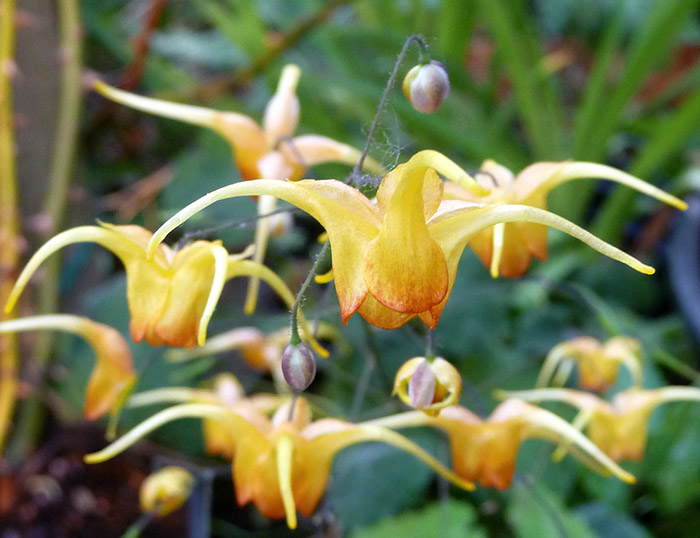
Brunnera, pulmonaria and epimedium are strong choices for seasonal layering. Brunnera offers small blue flowers in spring and heart-shaped leaves; pulmonaria starts early with spotted foliage and pink-to-blue flowers; epimedium tolerates dry shade once established and produces delicate flowers above wiry leaves. In Australia, epimedium is often particularly useful in dry, sheltered shade around mature trees.
For a softer ground layer, consider barrenwort, hardy violets, dwarf Solomon’s seal or selected carex. In cooler Australian gardens, these can sit beneath hostas without overwhelming them. In warmer regions, trial small quantities first, because summer humidity or dry soil may affect performance.
Build A Spring To Autumn Sequence
Early-season flowers are essential because hostas emerge slowly. Crocuses, snowdrops and woodland bulbs can be tucked between dormant hosta crowns, where their foliage has time to die back before the hosta leaves expand. In areas of Australia with mild winters, bulbs may flower at different times from those in North America, so local nursery advice is valuable.
Tiarella and foamflower provide a dependable bridge from spring into early summer. Their low mounds and upright flower stems sit neatly beneath hosta leaves. Heuchera adds another useful layer, with foliage in lime, bronze, burgundy or silver and small flower sprays that attract attention without competing with the hostas.
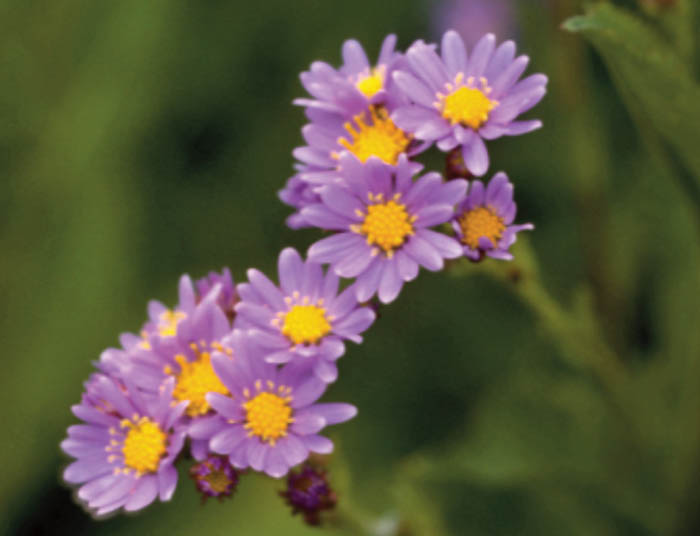
For late-season interest, Japanese forest grass, asters suited to shade and certain anemones can extend the display. In Melbourne or Hobart, autumn-flowering plants may perform for weeks in cool conditions. In warmer parts of Australia, protect them from harsh afternoon sun and choose forms recommended for the local district.
Use Foliage For Lasting Interest
Flowers are welcome, but foliage carries the planting through the longest part of the year. Ferns are natural companions because their divided fronds contrast with hosta leaves. Lady fern, autumn fern and selected dryopteris species suit different moisture levels, although every fern needs a reasonable establishment period.
Japanese forest grass, or Hakonechloa, creates flowing movement at the front of a bed. Gold-leaved cultivars brighten deep shade, while green forms produce a quieter effect. It prefers moisture-retentive soil and is best in cooler Australian gardens or protected positions where summer heat is moderated.
Heuchera and heucherella are useful in small groups rather than scattered as single specimens. Their compact crowns provide colour close to the ground, and their evergreen or semi-evergreen foliage can remain attractive after hostas have been cut back. In humid areas, give them good air movement and avoid burying the crown under mulch.
Manage Moisture, Pests And Crowding
Hostas generally prefer fertile, moisture-retentive soil, but constantly wet ground can damage their roots and encourage crown problems. Improve compact soil with organic matter before planting, then apply a moderate mulch layer without pressing it against the crowns. Water deeply during establishment rather than giving frequent, shallow drinks.
Slugs and snails are a familiar issue in leafy shade gardens, particularly where mulch stays wet. Remove hiding places, keep debris clear and inspect plants after evening rain. In Australia, gardeners may also need to watch for earwigs, black beetles or fungal spotting depending on the region.
Allow room for mature spread. A small tiarella may remain compact, while a fern or heuchera can broaden considerably over several seasons. Planting too densely creates a damp, congested bed and makes it harder to divide hostas or lift bulbs later.
Design A Balanced Planting
Begin with the hostas as the structural plants, then place taller companions behind or between them. Medium-height ferns, brunnera and flowering anemones can occupy the middle layer, while tiarella, epimedium and heuchera work near paths. Repeating two or three companion plants gives the bed rhythm without making it look formal.
Colour should be restrained. Blue, silver, green and soft white usually sit comfortably beside hostas, while chartreuse foliage can brighten a dark corner. Deep burgundy heuchera creates a sharper accent, but use it sparingly so the bed still feels cool and leafy.
Think about the view from the house and the route through the garden. A hosta bed beside a Melbourne verandah may need winter structure close to eye level, while a shaded Sydney courtyard may benefit more from drought-tolerant foliage and strong drainage. A few well-placed plants will usually look better than a crowded collection.
Read Trial Results In Context
Regional plant evaluations are useful because they reveal how a perennial behaves over several seasons, rather than relying on a catalogue photograph. Look for information about bloom period, mature height, spread, flower colour, foliage quality and whether a plant remains attractive after flowering. The trial snapshots offer a practical way to explore evaluated plants and compare their garden performance.
Chicagoland results provide valuable guidance on habit, vigour and seasonal timing, but Australian gardeners should translate those findings to their own climate. A plant that enjoys a long, cool American summer may need extra shade in Adelaide, while a perennial that survives Chicago winters may struggle with Brisbane heat or wet-season humidity.
| Companion perennial | Main role beneath hostas | Best conditions | Australian growing note |
|---|---|---|---|
| Brunnera | Spring flowers and broad foliage | Moist, cool, filtered shade | Best in southern or elevated districts |
| Tiarella | Low mound and airy flower spikes | Moist soil and light shade | Useful in sheltered Melbourne gardens |
| Heuchera | Long-lasting foliage colour | Well-drained soil, morning light | Protect from extreme heat and wet crowns |
| Ferns | Fine texture and vertical form | Moist shade, organic soil | Select species for local humidity and heat |
| Epimedium | Groundcover and early flowers | Dry or average shade once established | A strong option beneath trees in cooler, drier shade |
| Hakonechloa | Flowing, grass-like movement | Cool, moisture-retentive shade | Needs protection from severe Australian summer sun |
Begin with a small trial area rather than planting an entire border at once. Track which plants flower when, how much water they require and whether their foliage remains attractive through the season. This simple observation is especially useful when adapting North American trial information to an Australian garden.
Choose companions that suit the actual conditions, leave enough room for mature growth and refresh the planting with seasonal bulbs or carefully selected foliage plants. With a layered mix of ferns, heuchera, tiarella, epimedium and other shade perennials, hosta beds can offer interest well beyond the hosta season.
In the Garden
Evaluator gardens are located across the Chicagoland area, representing a range of growing conditions. Visit our retail and wholesale partners to find trialled perennials for your own garden.
Retail & Wholesale: Hinsdale Nurseries (Willowbrook, IL), Mariani Nurseries (Kenosha, WI & Garden Prairie, IL), Northwind Perennials (Burlington, WI), The Growing Place (Aurora, IL).
Wholesale Only: Hinsdale Nurseries (Plano, IL), Intrinsic Perennial Gardens (Hebron, IL).
Our Evaluation Program
The 2017–2020 evaluation cycle included Agastache 'Blue Boa', Allium senescens 'Blue Eddy', Amsonia ciliata var. filifolia 'Georgia Pancake', Astilbe 'Chocolate Shogun', Boltonia astroides 'James Crocket', Brunnera 'Alexander's Great', and Geranium cinereum 'Jolly Jewel Purple'. Completed evaluations include Amsonia 'Blue Ice' (2004–07).
On April 10, 2020, the program published snapshot profiles for Vernonia lettermanii 'Iron Butterfly', Stokesia laevis 'Elf', Stachys officinalis 'Pink Cotton Candy', Lobelia 'Monet Moment', Helleborus 'Winter Thrillers', Geum 'Mai Tai', Geranium soboliferum 'Butterfly Kisses', Gentiana x intermedia 'True Blue', Eurybia divaricata, Asparagus 'Purple Passion', and Agastache 'Bolero'.
Browse the full collection of snapshots organized alphabetically — from A–D, E–H, I–Q, and R–Z — to find detailed performance data on perennials trialled across Chicagoland.