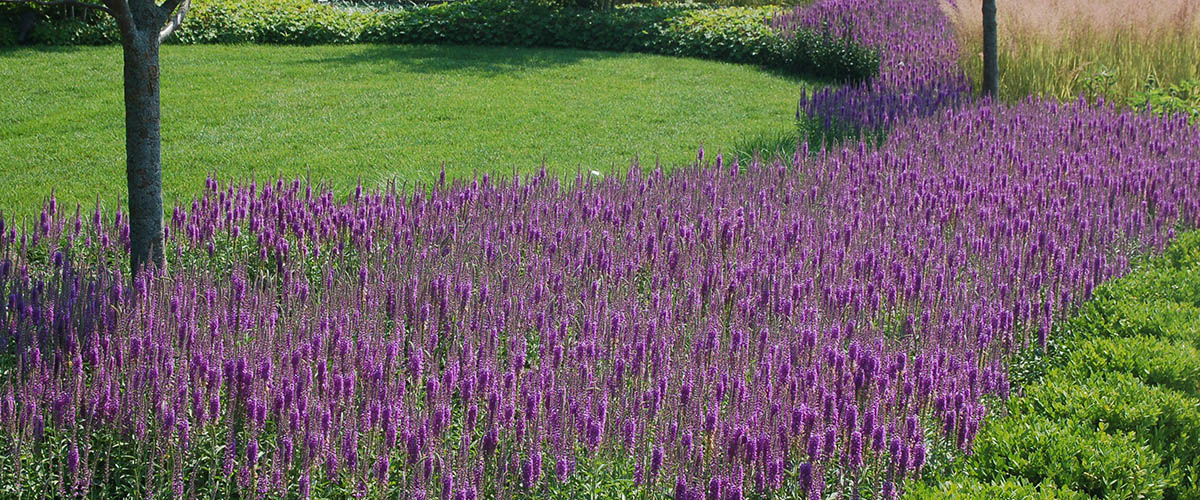
Evaluating Perennials for Chicagoland Gardens
Perennials in Focus is a plant evaluation program that examines new and underused plants for Chicagoland, the third largest metropolitan area in the country. A group of horticultural experts trials and evaluates plants at numerous locations across the region. Results help consumers, public gardens, growers, landscape designers, breeders, and other industry professionals make informed plant choices.
Long-lasting perennials for cutting gardens and fresh bouquets
A productive cutting garden should provide more than a burst of colour in spring. The best perennial flowers offer sturdy stems, repeat flowering, useful shapes and a vase life that keeps arrangements looking fresh for several days. With careful selection, a small backyard bed can supply relaxed bunches for the kitchen, generous gifts and florist-style arrangements throughout the growing season.
For Australian gardeners, plant performance depends heavily on location. A perennial that thrives through cold winters in Melbourne or Canberra may struggle in humid Brisbane, while a plant suited to Perth’s dry summers may need extra water in Sydney. The Chicagoland trials published by Perennials in Focus are valuable for understanding plant habit and reliability, but local growing conditions should guide the final choice.
Start with strong stems and useful flower shapes
Yarrow is one of the most dependable plants for a cutting garden. Its flat flower heads create a broad horizontal shape in bouquets, and the stems hold well when picked as the tiny florets begin to open. White, yellow, pink and terracotta forms combine easily with grasses, salvias and foliage.
Rudbeckia and echinacea provide the strong, daisy-like flowers that give an arrangement a clear focal point. Rudbeckia usually produces generous crops of golden blooms, while echinacea adds a more architectural centre and a longer season in many gardens. Their seed heads can also be left to dry for autumn and winter arrangements, reducing waste after the fresh flowers finish.
Peonies remain highly prized for their fragrance, full flowers and luxurious appearance. They have a relatively short flowering season, so they work best alongside longer-blooming perennials. In cooler parts of Australia, including elevated Melbourne gardens and Canberra, they can become an important early-summer crop. In warmer districts, check the winter chill requirement before investing in a large planting.
Add colour with reliable mid-season performers
Garden phlox brings tall stems, rounded flower clusters and a sweet scent to summer bouquets. It is especially useful when planted in groups, where several stems can be harvested without leaving gaps. Good air circulation matters, particularly in humid coastal areas, because dense foliage can encourage fungal problems.
Shasta daisies are classic cut flowers with clean white petals and yellow centres. They suit cottage gardens and contemporary borders alike, and their bright colour gives darker flowers more definition. Divide congested clumps every few years to maintain vigour and produce straighter, more plentiful stems.
Perennial salvias contribute upright flower spikes in blue, purple, pink or red. They are excellent in smaller arrangements because a few stems add height without overwhelming the other flowers. Many salvias also attract bees, making a cutting garden useful for pollinators as well as household decoration. In Australia, select species carefully: some prefer dry, sunny conditions, while others need regular moisture.
Use spikes, fillers and foliage for balanced bouquets
A successful bouquet needs more than large blooms. Veronica, catmint and certain campanulas provide slender spires that draw the eye upward. Their flowers are easy to combine with rounded heads from yarrow or echinacea, creating a more natural and layered arrangement.
Lady’s mantle is a valuable filler in cooler and temperate gardens. Its soft chartreuse flowers sit above pleated leaves and soften strong colours. In hot, dry regions it may need afternoon shade and dependable irrigation. For Australian gardens with harsher summers, airy alternatives such as perennial gypsophila or small-flowered oregano can provide a similar light effect.
Foliage should be planned as deliberately as flowers. Lamb’s ear offers silvery leaves, while ornamental grasses contribute movement and texture. Eucalyptus foliage is a distinctly Australian option, especially for arrangements intended to dry. Harvest young, healthy stems before the leaves become coarse, and avoid taking too much from a plant that is under heat or drought stress.
| Perennial | Bouquet role | Typical harvest window | Useful growing note |
|---|---|---|---|
| Yarrow | Flat filler and colour block | Late spring to summer | Handles sun and relatively dry soil |
| Rudbeckia | Bright focal flower | Summer to autumn | Cut when petals are fully expanded |
| Echinacea | Focal flower and dried seed head | Summer to early autumn | Strong stems improve with full sun |
| Garden phlox | Fragrant cluster flower | Mid to late summer | Allow airflow in humid districts |
| Perennial salvia | Vertical spike | Spring to autumn, depending on type | Remove spent spikes to encourage rebloom |
| Shasta daisy | Light, open focal flower | Summer | Divide older clumps for renewed vigour |
| Peony | Premium focal flower | Late spring to early summer | Needs suitable winter chill |
| Lady’s mantle | Soft filler and foliage | Late spring to summer | Performs best with moisture and some protection |
Match plant choices to Australian conditions
A cutting garden near Melbourne can include a broad range of temperate perennials, particularly in well-drained soil with winter moisture and moderate summer temperatures. Sydney gardeners should consider humidity, sudden heat and periods of heavy rain, choosing plants with good airflow and avoiding overcrowded spacing. In Brisbane, tropical conditions may shorten the life of some cool-climate perennials, so heat-tolerant salvias, rudbeckia and durable ornamental grasses deserve priority.
Water availability is another practical consideration. Gardens in Adelaide, Perth and parts of regional New South Wales may face water restrictions or long dry periods, making drought-tolerant choices more responsible than thirsty, short-lived novelties. Deeply water new plantings while roots establish, then use compost and mulch to reduce evaporation. Drip irrigation can direct moisture to the root zone without wetting flowers and foliage.
The program’s trial history also shows why repeated observation matters. A perennial may look impressive in a catalogue yet prove disappointing after several seasons if it flops, spreads aggressively or flowers for only a brief period. Australian growers can apply the same evaluation approach by recording flowering dates, stem length, pest pressure and vase performance in their own garden.
Plan the bed for a steady harvest
Plant in blocks rather than scattering single specimens throughout the border. Groups of three, five or more plants create enough stems for cutting while keeping the display visually coherent. Place taller plants at the back or centre, medium-height flowers in the middle and low fillers near paths where they are easy to reach.
A useful layout combines early, middle and late-season bloomers. Peonies and early salvias can begin the harvest, followed by yarrow, phlox, rudbeckia, echinacea and late-flowering asters. This succession prevents the garden from producing everything at once and gives household arrangements a changing palette from spring into autumn.
Leave paths between planting blocks so flowers can be harvested without stepping into the soil. Support tall varieties before they fall over, especially in exposed coastal gardens or areas affected by summer storms. A small amount of staking is far less noticeable than bent stems and tangled plants at picking time.
Harvest at the right stage for a longer vase life
Pick in the cool part of the morning, once dew has dried but before the day becomes hot. Use a clean, sharp knife or secateurs and place stems straight into a bucket of clean water. Remove leaves that would sit below the waterline, then allow the flowers to rest in a cool, shaded place before arranging.
Harvesting stage varies between plants. Cut peonies when the buds feel soft but are not fully open, while daisies and rudbeckia should usually be picked when the petals have unfurled. Salvia and phlox are best harvested when the lower flowers on a spike are open and the upper buds are still developing. Yarrow lasts well when several small flowers have opened across the head.
Refresh the water frequently and recut the stems at an angle before placing them in a clean vase. Keep bouquets away from direct sun, heaters, fruit bowls and strong drafts. Removing fading flowers from the garden also encourages many perennials to produce another flush, extending both the landscape display and the supply of fresh material.
Build your cutting garden around dependable stems, seasonal succession and plants suited to your local Australian climate. Start with a few proven perennials, record how they perform in the vase and expand the planting with varieties that earn their space through repeat harvests.
In the Garden
Evaluator gardens are located across the Chicagoland area, representing a range of growing conditions. Visit our retail and wholesale partners to find trialled perennials for your own garden.
Retail & Wholesale: Hinsdale Nurseries (Willowbrook, IL), Mariani Nurseries (Kenosha, WI & Garden Prairie, IL), Northwind Perennials (Burlington, WI), The Growing Place (Aurora, IL).
Wholesale Only: Hinsdale Nurseries (Plano, IL), Intrinsic Perennial Gardens (Hebron, IL).
Our Evaluation Program
The 2017–2020 evaluation cycle included Agastache 'Blue Boa', Allium senescens 'Blue Eddy', Amsonia ciliata var. filifolia 'Georgia Pancake', Astilbe 'Chocolate Shogun', Boltonia astroides 'James Crocket', Brunnera 'Alexander's Great', and Geranium cinereum 'Jolly Jewel Purple'. Completed evaluations include Amsonia 'Blue Ice' (2004–07).
On April 10, 2020, the program published snapshot profiles for Vernonia lettermanii 'Iron Butterfly', Stokesia laevis 'Elf', Stachys officinalis 'Pink Cotton Candy', Lobelia 'Monet Moment', Helleborus 'Winter Thrillers', Geum 'Mai Tai', Geranium soboliferum 'Butterfly Kisses', Gentiana x intermedia 'True Blue', Eurybia divaricata, Asparagus 'Purple Passion', and Agastache 'Bolero'.
Browse the full collection of snapshots organized alphabetically — from A–D, E–H, I–Q, and R–Z — to find detailed performance data on perennials trialled across Chicagoland.