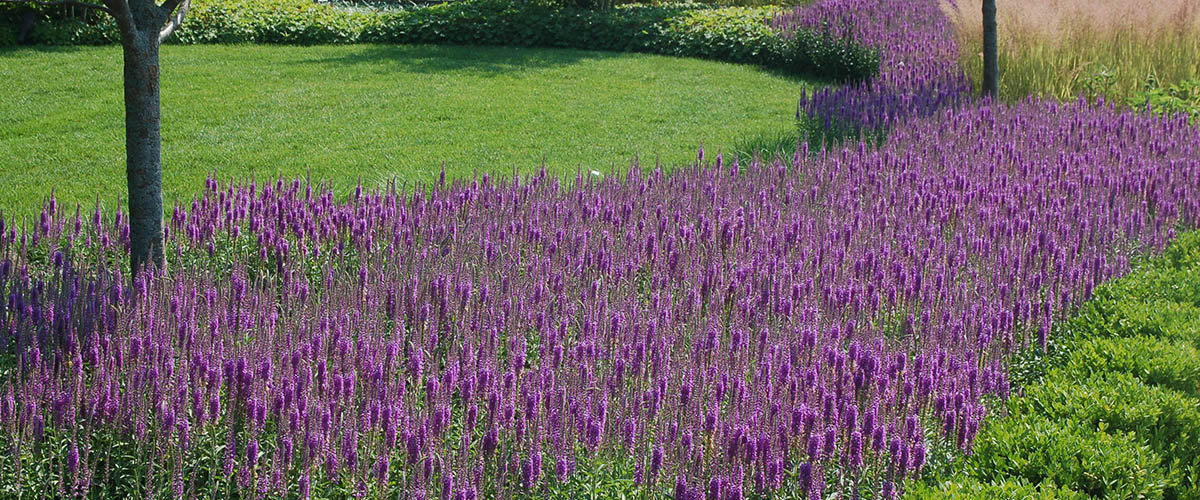
Evaluating Perennials for Chicagoland Gardens
Perennials in Focus is a plant evaluation program that examines new and underused plants for Chicagoland, the third largest metropolitan area in the country. A group of horticultural experts trials and evaluates plants at numerous locations across the region. Results help consumers, public gardens, growers, landscape designers, breeders, and other industry professionals make informed plant choices.
Container perennials that handle a cold garage in winter
Down in the southern half of Australia, where frosty Hobart mornings give way to bone-chilling Canberra evenings, plenty of keen gardeners stash their precious potted perennials inside an unheated garage once the cold weather bites. The practice mirrors what North American gardeners do across the Midwest, and findings collected through regional trials — including those compiled in snapshots-e-h — confirm that several tough perennials emerge from garage storage healthier than they would if left fully exposed. Choosing varieties suited to pot culture and tolerant of the dry, dim conditions of an unheated space is the foundation of a low-maintenance winter routine.
Container-grown perennials behave quite differently from their in-ground cousins. Soil in a pot freezes faster, dries out faster and exposes roots to wider temperature swings. Sheltering them indoors protects the crown and roots without tricking the plants into soft, premature growth. Picking plants that genuinely handle dormant cold storage is what separates a thriving spring display from a heartbreaking bin full of mushy root balls.
Why container plants need extra winter protection
Roots sitting inside a pot lack the insulating buffer of surrounding earth. A container placed on a concrete slab can chill right through when southerly winds howl up the Tasman or sweep across the Adelaide Hills. Soil temperature inside the pot drops below the air temperature and stays colder for longer. Tender crown tissue and fine feeder roots can desiccate, suffocate under ice or rot in saturated mix.
An unheated garage softens those extremes. Block walls block wind chill, the roof keeps heavy rain off, and the temperature inside usually sits a few degrees above the outside low. Plants stay dormant without warmth tricking them into breaking bud too early. For Australian gardeners living along the ranges of Victoria or in the elevated suburbs of the ACT, this kind of cold-but-sheltered spot is gold during June and July.
Reliable perennials that overwinter well in pots
A short list of trial-tested species forms the backbone of any garage-stored collection. The following table groups the strongest performers by height, light requirement, hardiness and storage notes drawn from regional evaluation work.
| Perennial | Mature height | Light needs | Cold tolerance | Garage storage notes |
|---|---|---|---|---|
| Heuchera | 25–50 cm | Part shade | Hardy to about −25 °C | Keep mix barely moist; foliage often semi-evergreen |
| Hosta | 30–90 cm | Shade to part sun | Hardy to about −30 °C | Check crowns before storing; slugs can persist |
| Sedum (stonecrop) | 15–60 cm | Full sun | Hardy to about −30 °C | Drought tolerant; water sparingly |
| Hellebore | 30–60 cm | Part shade | Hardy to about −20 °C | Tolerates dry winter pots and low light |
| Carex (ornamental grass) | 30–80 cm | Part shade to sun | Hardy to about −25 °C | Evergreen clumps; watch for crown rot if wet |
| Penstemon | 40–80 cm | Full sun | Hardy to about −20 °C | Cut back hard; store dry once dormant |
| Hardy geranium | 20–60 cm | Sun to part shade | Hardy to about −30 °C | Tolerates inconsistent moisture |
| Bergenia | 30–45 cm | Sun to part shade | Hardy to about −30 °C | Evergreen leaves; very forgiving |
Heuchera and hellebore lead the pack for shade spots, their leathery or tinted foliage making them ornamental even in deep winter. Sedum and penstemon thrive where a sun-baked courtyard or balcony bakes through the southern summer before turning chilly. Ornamental carex and bergenia handle wind better than most, which matters on exposed Hobart or Ballarat verandahs.
Soil mixes that drain freely but hold a touch of moisture give roots the best chance. Add coarse perlite or grit to a standard quality potting blend, and top-dress with a thin layer of mulch to slow evaporation.
Prepping containers before the first frost
Water management is the single biggest task before storage. Cut back spent flower stems and remove any diseased foliage so fungal problems don't ride out winter hidden among dying leaves. Stop feeding six weeks ahead of expected dormancy so growth slows naturally. If pots sit on saucers, tip those out and elevate the containers on pot feet, terracotta shards or a couple of old bricks — wet feet inside a cold garage are the fastest route to crown rot.
Group pots tightly together, ideally against an interior wall that faces away from the prevailing wind. Massed pots hold a touch of moisture and humidity around each other, while the wall radiates stored warmth. Tuck insulating material such as hessian sacking, straw or even old blankets around the pot sides if the garage is uninsulated. Many Aussie gardeners grab a few bags of sugarcane mulch from Bunnings for this, the same product they later spread on garden beds.
Care through the winter months
Inside an unheated garage, watering needs plummet. Most dormant perennials want a barely damp mix — think of a wrung-out sponge. Check pots once a month and give a light drink only if the mix is bone dry. Overwatering invites root rot, mould and fungus gnats, which can flourish even in cool temperatures.
Watch the light. Garages usually have at most a small frosted window, and that's plenty for dormant plants that don't need to photosynthesise heavily. If the space warms enough on sunny winter days to break dormancy, crack the door for airflow during the warmest part of the afternoon. Watch for rodent visitors too; mice and rats love the shelter of stacked pots and may chew soft crown tissue.
Bringing plants back outside in spring
Once August arrives and the worst of the frost risk passes, ease pots back into brighter light gradually. A shady verandah, carport or covered patio for a week or two prevents leaf scorch as plants readjust to stronger sun. Hold off on heavy feeding until fresh growth breaks from the crown — too much nitrogen early encourages weak, leggy shoots.
Repot every two to three years. Side-dress with fresh compost, lift and divide congested clumps, and shift plants up to a slightly larger container if roots are circling. This kind of attention keeps the collection vigorous and means each plant will store well again next winter.
Common mistakes that cost the whole collection
Leaving pots out on the driveway during a freak hailstorm, watering "just in case" because it feels right, or parking containers directly on freezing concrete are the most common missteps. Storing a pot still wet from autumn rain without letting it drain is another silent killer. Aim for plants that go into storage on the dry side of moist.
Don't store tender, fully evergreen species in an unheated garage if your region regularly drops well below freezing. Some plants thrive in this environment; others simply aren't built for it. Match each container to a species whose hardiness matches the local minimum temperature rather than assuming the garage will save something tropical.
Using trial data to match plants with your garage
Choosing perennials on a hunch wastes years of patience. Regional plant evaluation programs run side-by-side trials, tracking survival, vigour, bloom consistency and pest resistance over multiple winters. Their findings help narrow options to those proven in continental climates like inland Victoria and the ACT, where published recommendations stay grounded in real garden performance.
Growers, retailers, breeders and curators at public gardens lean on this kind of data when stocking benches, planning display beds or writing plant labels. For home gardeners, the practical application is straightforward: pick species flagged for hardiness and reliable crown survival, and pair them with a brief winter check routine. Spring will quickly reveal which plants sailed through and which need replacing.
Start building a cold-hardy container collection
A garage-stored perennial collection pays back every winter. Begin with two or three reliable species from the table above and add more each season as confidence grows. Pair them with the right soil, decent drainage and a quick monthly check, and most pots will re-emerge looking better than they went in. Gardeners across Australia's cool pockets have every reason to think beyond the traditional deciduous shrub and embrace the versatility of container perennials.
Container perennials frame small courtyards in Sydney's inner west, anchor entryways in Brisbane's elevated suburbs, and decorate verandahs from Melbourne to Hobart where winter winds bite hardest. Even the shape of your seating arrangements plays into how often you'll wander out among the greenery in winter, a principle explored in guides about living room flow that connect indoor comfort with outdoor enjoyment. Pick a few favourites this weekend, tuck them safely away when the next southerly hits, and watch the collection grow stronger with every passing season.
In the Garden
Evaluator gardens are located across the Chicagoland area, representing a range of growing conditions. Visit our retail and wholesale partners to find trialled perennials for your own garden.
Retail & Wholesale: Hinsdale Nurseries (Willowbrook, IL), Mariani Nurseries (Kenosha, WI & Garden Prairie, IL), Northwind Perennials (Burlington, WI), The Growing Place (Aurora, IL).
Wholesale Only: Hinsdale Nurseries (Plano, IL), Intrinsic Perennial Gardens (Hebron, IL).
Our Evaluation Program
The 2017–2020 evaluation cycle included Agastache 'Blue Boa', Allium senescens 'Blue Eddy', Amsonia ciliata var. filifolia 'Georgia Pancake', Astilbe 'Chocolate Shogun', Boltonia astroides 'James Crocket', Brunnera 'Alexander's Great', and Geranium cinereum 'Jolly Jewel Purple'. Completed evaluations include Amsonia 'Blue Ice' (2004–07).
On April 10, 2020, the program published snapshot profiles for Vernonia lettermanii 'Iron Butterfly', Stokesia laevis 'Elf', Stachys officinalis 'Pink Cotton Candy', Lobelia 'Monet Moment', Helleborus 'Winter Thrillers', Geum 'Mai Tai', Geranium soboliferum 'Butterfly Kisses', Gentiana x intermedia 'True Blue', Eurybia divaricata, Asparagus 'Purple Passion', and Agastache 'Bolero'.
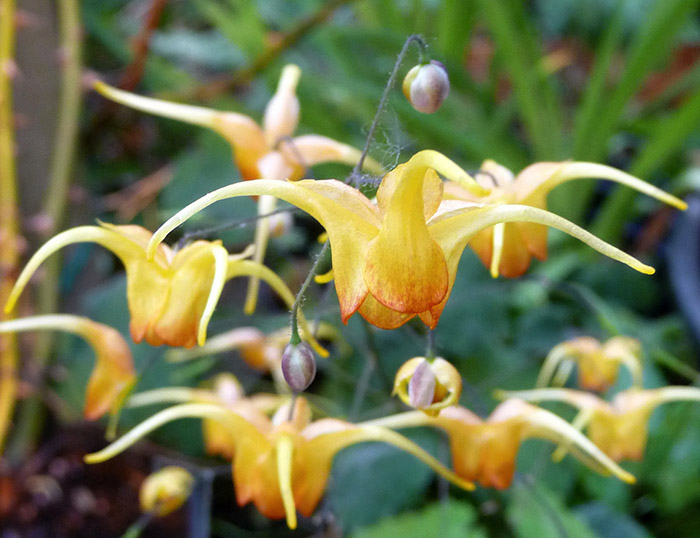
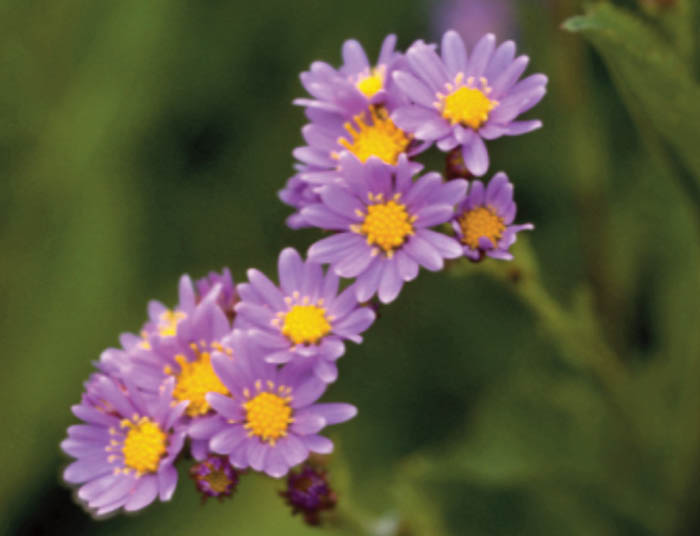
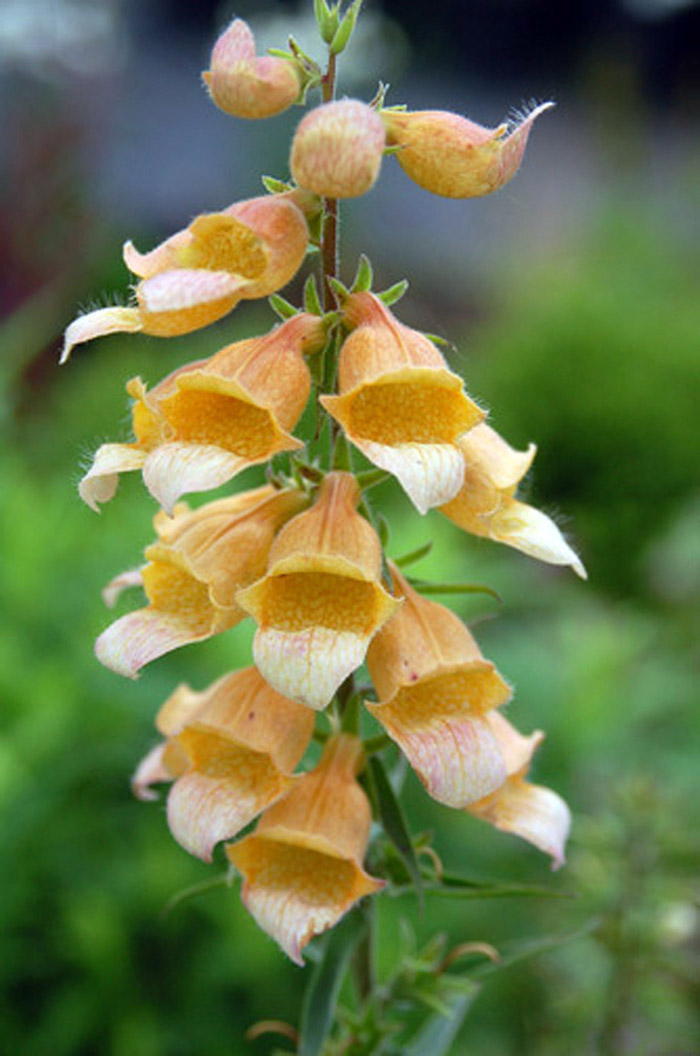
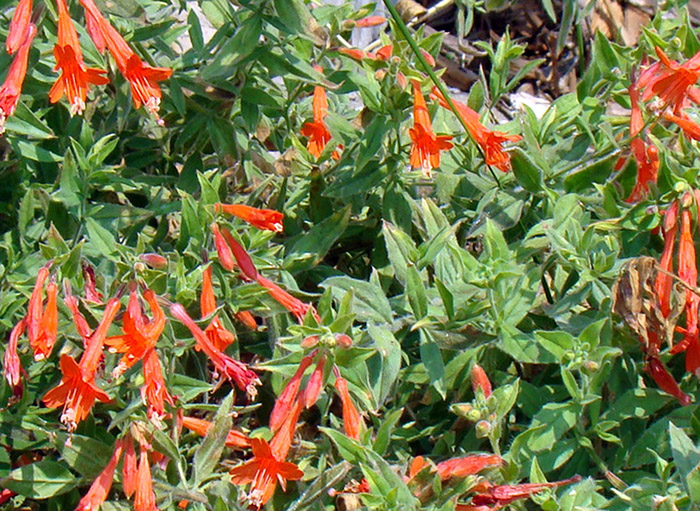
Browse the full collection of snapshots organized alphabetically — from A–D, E–H, I–Q, and R–Z — to find detailed performance data on perennials trialled across Chicagoland.