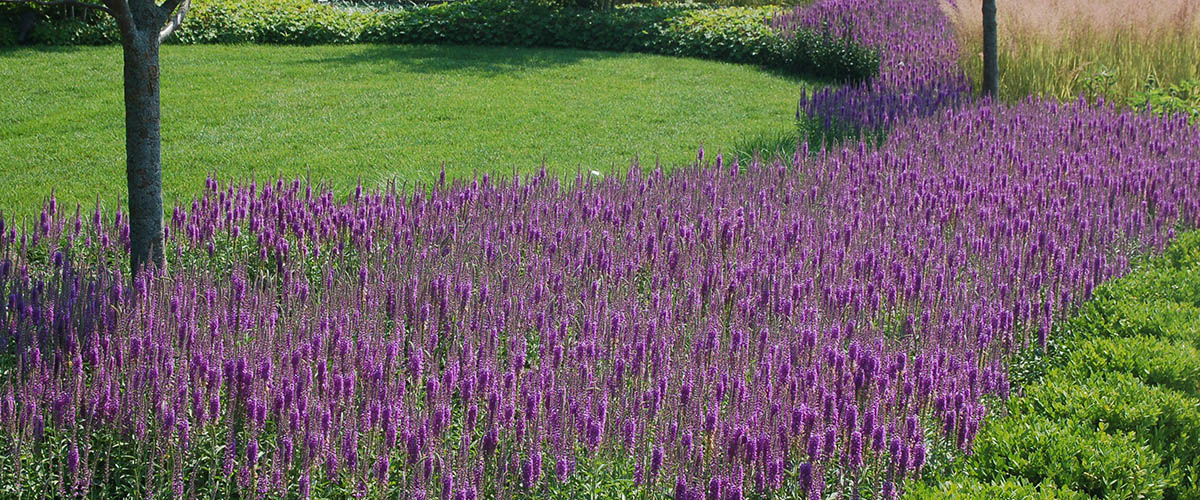
Evaluating Perennials for Chicagoland Gardens
Perennials in Focus is a plant evaluation program that examines new and underused plants for Chicagoland, the third largest metropolitan area in the country. A group of horticultural experts trials and evaluates plants at numerous locations across the region. Results help consumers, public gardens, growers, landscape designers, breeders, and other industry professionals make informed plant choices.
Container Perennials That Endure Winter in Unheated Garages
When the first hard frost settles over the Midwest, gardeners with potted perennials face a dilemma: leave plants outside and risk losing them, or bring them indoors where warm air disrupts their dormancy cycle. The unheated garage offers a middle ground, shielding pots from wind and temperature swings while keeping plants cold enough to rest properly. For Chicago-area growers in zones 5b and 6a, this technique preserves specimens that would otherwise succumb to desiccation or freeze-thaw heaving.
This method translates well to parts of Australia where winter temperatures drop low enough to challenge container-grown perennials. Gardeners in Hobart, elevated Melbourne suburbs, and the Australian Alps experience conditions comparable to a Chicago winter. Containers freeze faster than ground soil, exposing roots on all sides, and a sheltered cold environment prevents the crown damage that ruins valuable plants.
Collaborative trial garden evaluations provide a reliable shortlist of perennials that bounce back after months in cold storage. The selections draw on multi-year observations across multiple sites, focusing on plants that maintain vigor without constant intervention. Container culture demands more from perennials than in-ground planting, and these candidates have proven their resilience.
How an Unheated Garage Mimics Natural Conditions
A garage that lacks insulation but stays above freezing serves as an effective cold frame for dormant perennials. Temperatures typically hover between 0°C and 7°C during Chicago winters, satisfying chilling requirements without exposing plants to drying winds or temperature fluctuations. The goal is maintaining stability where soil freezes solid without dramatic swings.
Australian gardeners should note that winter falls during June through August, opposite to the Northern Hemisphere cycle. Container perennials emerge from dormancy in early September. Preparation for cold storage starts earlier in the calendar year for Australian growers in cold zones, often requiring attention by late autumn.
The garage method also protects pots from cracking. Terracotta and ceramic containers absorb moisture, and frozen expansion can shatter the vessel. Moving pots into sheltered storage before the first sustained freeze prevents costly losses. Resin containers or fabric grow bags carry less structural risk, though roots inside still require protection.
Perennials That Handle Cold Storage Reliably
Not every perennial tolerates months in darkness. Some species rot in cold, wet soil, while others break dormancy prematurely when temperatures fluctuate. The most dependable candidates share certain traits: full hardiness in zone 5, deep dormancy, and no requirement for active photosynthesis during winter. Sedums, certain ornamental grasses, and many hardy geraniums fit this profile.
Heuchera, often called coral bells, demonstrates surprising resilience in containers kept cold and dark. Crowns may shrivel slightly, but plants rebound quickly once placed outside in spring. Brunnera macrophylla stores well too, provided the soil is not waterlogged. Avoid evergreen species or those with active basal growth through winter, as these deteriorate in low-light storage. The evaluation program's trial snapshots document performance metrics for dozens of cultivars under these conditions.
Container-grown specimens that resist becoming root-bound handle winter storage with less stress, entering dormancy with balanced root systems rather than girdled ones.
Container and Soil Preparation Before Storage
Preparation begins well before the first frost warning. Pots should be cleaned of debris, and perennials with active pest issues need treatment before being moved indoors. Soil moisture matters significantly at storage time. Plants moved while wet often develop crown rot, while bone-dry roots can desiccate despite the cold.
A practical approach involves watering containers deeply a day or two before the move, allowing excess to drain, then storing them dry for winter. The soil mass retains enough moisture to keep roots hydrated through dormancy. For Australian growers subject to varying state water restrictions, this approach conserves resources while keeping plants healthy.
Container size influences outcomes. Smaller pots freeze solid more readily, damaging roots in species that prefer some insulation. Containers at least 30 cm in diameter provide a buffer, and grouping pots creates a microenvironment that moderates extremes. Elevating pots off concrete floors using pallets or styrofoam sheets prevents ground chill from penetrating too deeply.
Maintaining Dormancy Through Winter
Once pots are tucked away, the goal is minimal intervention. Occasional checks confirm stable temperatures and that no pots have toppled. If a warm spell raises garage temperatures above 10°C for an extended period, some perennials may break early. Opening doors or windows during the day and closing them at night helps moderate these swings.
Light is not required during true dormancy, so the darkness of a typical garage poses no problem. If a plant begins showing new growth, supplemental lighting prevents weak, etiolated shoots. Most well-chosen perennials stay fully dormant through Chicago winters, requiring nothing more than stable cold.
Australian gardeners in regions with mild winters, such as coastal New South Wales or Queensland, rarely need this technique. For those in alpine Victoria or Tasmania, the same vigilance applies. Conditions around Hobart deliver extended periods below freezing, and container plants in exposed courtyards face the same risks as their Chicago counterparts.
Spring Transition and Bringing Plants Back Outside
As winter loosens its grip, typically March in Chicago and September in Australia, containers need gradual reintroduction to outdoor conditions. Moving pots directly into strong sun and wind shocks dormant tissues. A shaded porch or cold frame serves as an intermediate step for one to two weeks before final placement.
Inspect each plant during this transition. Trim away dead material, check for new growth emerging from the crown, and assess root health by gently easing the plant from its pot. Healthy roots appear white or tan and firm, while rotted roots feel mushy and smell sour. Divide or repot as necessary, and gardeners seeking low-maintenance advice will find value in this perennials that require minimal division to remain vigorous in zone 5 overview resource.
Watering resumes gradually. Soak pots thoroughly at first, then allow the top centimetre to dry between applications. Fertiliser waits until active growth is clearly underway, usually several weeks after placement outdoors. Australian gardeners using native soil blends or organic composts may find their perennials respond differently.
Regional Adjustments for Australian Growers
Climate mapping helps Australian gardeners select appropriate species. USDA zone 5 conditions align with parts of Victoria, including Ballarat and Mt. Hotham, as well as much of Tasmania. These areas experience winter minimums between -15°C and -10°C in exposed containers, matching Chicago lows. Plants proven in Chicagoland trials translate well to these zones.
Local nurseries and garden centres stock many of the same genera, though availability varies by season. Australian quarantine regulations govern plant importation, so sourcing locally grown specimens avoids compliance issues. Building relationships with specialist perennial growers around Melbourne or Hobart ensures access to cultivars adapted to local conditions.
Urban gardeners in Melbourne's inner suburbs contend with reflected heat and reduced humidity. Container perennials in these settings require more frequent watering during summer and benefit from grouping to create a humid microclimate. These summer stresses do not affect winter storage, but they influence which species thrive long-term.
Choosing Plants That Earn Their Space
The best container perennials for overwintering combine cold hardiness, true dormancy, and tolerance for pot-bound conditions. Sedum, Heuchera, Brunnera, Geranium, and select ornamental grasses consistently perform across multiple seasons. Each brings seasonal interest without demanding excessive winter coddling.
Investing time in proper preparation pays dividends when containers reemerge healthy and ready for another growing season. The garage method simplifies perennial care by removing guesswork during the coldest months. With the right plant choices and attention to soil moisture at storage time, container displays provide years of reliable beauty.
Browse the full performance data collected from regional trial gardens and discover additional recommendations suited to your specific conditions. The program's findings update annually, reflecting new introductions and changing climate patterns across evaluation sites.
In the Garden
Evaluator gardens are located across the Chicagoland area, representing a range of growing conditions. Visit our retail and wholesale partners to find trialled perennials for your own garden.
Retail & Wholesale: Hinsdale Nurseries (Willowbrook, IL), Mariani Nurseries (Kenosha, WI & Garden Prairie, IL), Northwind Perennials (Burlington, WI), The Growing Place (Aurora, IL).
Wholesale Only: Hinsdale Nurseries (Plano, IL), Intrinsic Perennial Gardens (Hebron, IL).
Our Evaluation Program
The 2017–2020 evaluation cycle included Agastache 'Blue Boa', Allium senescens 'Blue Eddy', Amsonia ciliata var. filifolia 'Georgia Pancake', Astilbe 'Chocolate Shogun', Boltonia astroides 'James Crocket', Brunnera 'Alexander's Great', and Geranium cinereum 'Jolly Jewel Purple'. Completed evaluations include Amsonia 'Blue Ice' (2004–07).
On April 10, 2020, the program published snapshot profiles for Vernonia lettermanii 'Iron Butterfly', Stokesia laevis 'Elf', Stachys officinalis 'Pink Cotton Candy', Lobelia 'Monet Moment', Helleborus 'Winter Thrillers', Geum 'Mai Tai', Geranium soboliferum 'Butterfly Kisses', Gentiana x intermedia 'True Blue', Eurybia divaricata, Asparagus 'Purple Passion', and Agastache 'Bolero'.
Browse the full collection of snapshots organized alphabetically — from A–D, E–H, I–Q, and R–Z — to find detailed performance data on perennials trialled across Chicagoland.