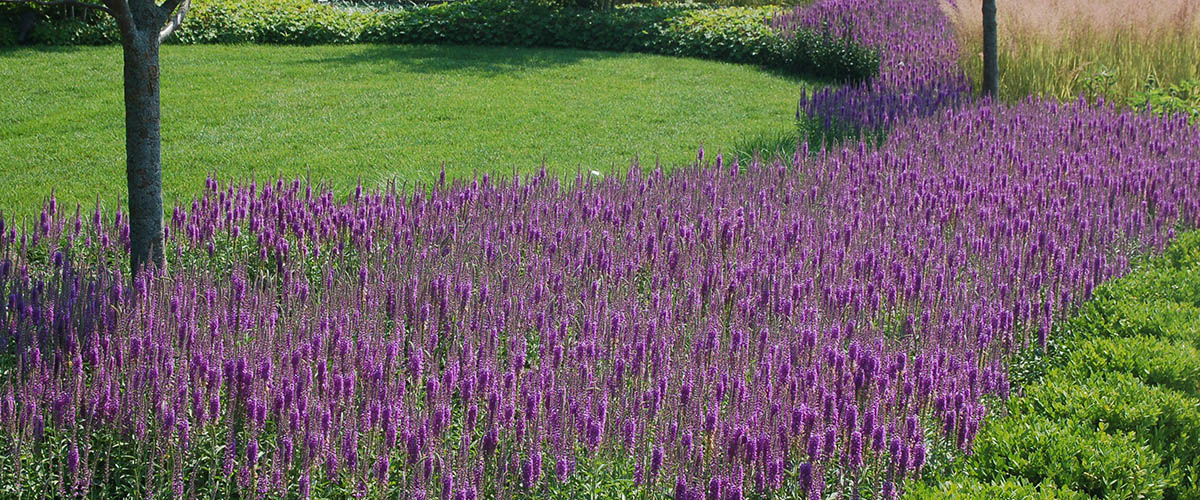
Evaluating Perennials for Chicagoland Gardens
Perennials in Focus is a plant evaluation program that examines new and underused plants for Chicagoland, the third largest metropolitan area in the country. A group of horticultural experts trials and evaluates plants at numerous locations across the region. Results help consumers, public gardens, growers, landscape designers, breeders, and other industry professionals make informed plant choices.
Perennials That Welcome Hummingbirds to Chicago Community Gardens
Hummingbirds are tiny, iridescent visitors that bring constant motion and life to any garden they enter. In Chicago community gardens, where shared plots and shared pollinator resources matter, these birds reward careful planting with steady activity throughout the growing season. While hummingbirds are exclusive to the Americas, their ecological role is mirrored in Australia by honeyeaters, spinebills, and lorikeets that probe tubular or brightly coloured flowers in suburban backyards from Brisbane to Perth.
The plants evaluated through programs like Perennials in Focus are tested across multiple seasons in the Chicagoland climate, which features cold winters, humid summers, and unpredictable spring transitions. For Australian readers curious about community gardens in the northern hemisphere, the same botanical families that support hummingbirds often include genera that thrive in temperate Australian gardens, making these recommendations useful beyond their original context.
Hummingbirds and Their Plant Partnerships
Hummingbirds are guided strongly by colour, with reds, oranges, and tubular shapes drawing their attention from considerable distances. Unlike bees, they rely less on scent and prefer flowers that produce copious dilute nectar held in structures that match their long bills and tongues. In Chicago, the peak migration periods fall in May and September, and community gardens that stagger bloom timing can support birds on both legs of their journey.
Australian readers might compare this behaviour to the Eastern Spinebill, a small honeyeater that probes correas and grevilleas across Melbourne gardens, or to the Silvereyes that visit Sydney balcony plantings. Although the birds differ, the planting principle is identical: masses of tubular flowers in warm hues, planted in drifts rather than isolated specimens, produce reliable visits season after season.
Reliable Perennials for the Chicagoland Climate
Perennials in Focus publishes snapshots a-d that highlight several genera performing reliably across the region's test gardens. Cardinal flower (Lobelia cardinalis) delivers vivid scarlet spikes from midsummer into early autumn and tolerates the moist clay soils common in community plots. Wild bergamot (Monarda fistulosa) offers shaggy lavender-pink blooms that hummingbirds visit alongside bees and butterflies, broadening a garden's overall pollinator value.
Beardtongue (Penstemon digitalis) rounds out a strong trio, producing white to pale-pink tubular flowers on tall, sturdy stems. These three species anchor most successful hummingbird plantings in the Chicago area because they combine hardiness, regional adaptability, and the flower architecture hummingbirds prefer. Additional performers include native agastache cultivars, which provide fragrant foliage and long-lasting bloom in well-drained beds.
Comparing Hummingbird-Friendly Perennial Choices
| Plant | Bloom Period | Flower Colour | Height | Spread | Soil Preference |
|---|---|---|---|---|---|
| Lobelia cardinalis | July–September | Scarlet | 90–120 cm | 30–45 cm | Moist, humus-rich |
| Monarda fistulosa | June–August | Lavender-pink | 60–120 cm | 45–60 cm | Average, well-drained |
| Penstemon digitalis | May–June | White to pale pink | 60–90 cm | 30–45 cm | Average, well-drained |
| Agastache 'Blue Fortune' | July–September | Lavender-blue | 60–90 cm | 45–60 cm | Well-drained, lean |
| Phlox paniculata 'Jeana' | July–September | Pink | 90–120 cm | 45–60 cm | Moist, fertile |
This comparison helps community garden coordinators select plants whose bloom periods overlap, ensuring continuous nectar availability from late spring through the first frosts. Gardeners sourcing plants through Australian retailers such as Bunnings Warehouse or specialist nurseries in Adelaide and Melbourne will find several of these genera available as seed or starter pots.
Planning a Community Garden Bed for Hummingbirds
Successful hummingbird beds follow the principle of mass planting, where individual species are grouped in clusters of at least five to seven plants rather than scattered singly. This creates a visual signal strong enough for passing birds to notice from above and rewards them with enough nectar to justify repeated visits. Layering taller species like cardinal flower at the centre and shorter beardtongue at the edge produces both ecological function and an attractive display for garden visitors.
Companion planting matters too. Pairing these hummingbird favourites with seed-producing grasses and late-season asters provides food for other wildlife while keeping the bed visually cohesive through autumn. In community garden settings where plots are small, vertical layering maximises both nectar production and aesthetic appeal, and members can coordinate plantings across adjacent beds to create a larger combined nectar corridor.
Seasonal Care for Reliable Bloom Production
Perennials in Chicago's climate require minimal intervention once established, but a few practices significantly improve bloom quality. Cutting back penstemon by one-third in early summer encourages a longer flowering period, while leaving cardinal flower seed heads in place through winter provides visual interest and modest self-seeding. Dividing monarda every three years prevents the centres of older clumps from becoming woody and unproductive.
Mulching with compost rather than bark keeps root zones cool during July heat without smothering emerging shoots in spring. Community gardeners who follow these simple routines typically see fuller bloom, stronger stems, and more consistent hummingbird activity from year to year. The in the garden resources offer additional region-specific guidance that complements these general practices with locally tested recommendations.
Sourcing Similar Plants Through Australian Suppliers
Australian gardeners inspired by Chicago's hummingbird plantings can adapt many of the same genera to temperate climates around Melbourne, Hobart, and the hills of Adelaide. Penstemon cultivars thrive in well-drained Australian soils and attract honeyeaters and spinebills in the same way they attract hummingbirds. Lobelia cardinalis performs as a marginal aquatic or bog plant and suits the damp conditions found near retention ponds in newer Brisbane subdivisions.
Local equivalents also deserve attention. Grevillea varieties sold at Australian native plant nurseries offer similar tubular flowers in warm tones and support honeyeaters throughout the year. Correa and epacris fill comparable niches in cooler months, while kangaroo paw species provide bold architectural interest in full-sun beds. Combining these natives with imported perennials creates a layered planting that supports local wildlife while echoing the design principles of North American hummingbird gardens.
Welcoming Other Nectar-Feeding Visitors
While hummingbirds capture attention, the same plantings support a wide range of beneficial creatures. Long-tongued bees, swallowtail butterflies, and hawk moths all benefit from tubular flowers, and the seed heads left through winter feed finches and juncos once the bloom season ends. In Australian settings, the same design principles encourage lorikeets, wattlebirds, and the occasional sugar glider drawn to garden nectar resources.
Community gardens gain the most value when plantings serve multiple purposes simultaneously: pollinator support, ornamental display, soil stabilisation, and educational opportunity. School groups visiting community plots in either hemisphere learn the same fundamental lessons about coevolution between birds and flowers, and the perennials chosen for Chicago's hummingbirds translate beautifully into teaching tools for Australian environmental educators. Sharing planting lists, seed swaps, and observational notes between sister gardens in different climates strengthens both programs and enriches the experience for everyone involved. Find evaluation reports and trial notes to start planning your own hummingbird-friendly garden today.
In the Garden
Evaluator gardens are located across the Chicagoland area, representing a range of growing conditions. Visit our retail and wholesale partners to find trialled perennials for your own garden.
Retail & Wholesale: Hinsdale Nurseries (Willowbrook, IL), Mariani Nurseries (Kenosha, WI & Garden Prairie, IL), Northwind Perennials (Burlington, WI), The Growing Place (Aurora, IL).
Wholesale Only: Hinsdale Nurseries (Plano, IL), Intrinsic Perennial Gardens (Hebron, IL).
Our Evaluation Program
The 2017–2020 evaluation cycle included Agastache 'Blue Boa', Allium senescens 'Blue Eddy', Amsonia ciliata var. filifolia 'Georgia Pancake', Astilbe 'Chocolate Shogun', Boltonia astroides 'James Crocket', Brunnera 'Alexander's Great', and Geranium cinereum 'Jolly Jewel Purple'. Completed evaluations include Amsonia 'Blue Ice' (2004–07).
On April 10, 2020, the program published snapshot profiles for Vernonia lettermanii 'Iron Butterfly', Stokesia laevis 'Elf', Stachys officinalis 'Pink Cotton Candy', Lobelia 'Monet Moment', Helleborus 'Winter Thrillers', Geum 'Mai Tai', Geranium soboliferum 'Butterfly Kisses', Gentiana x intermedia 'True Blue', Eurybia divaricata, Asparagus 'Purple Passion', and Agastache 'Bolero'.
Browse the full collection of snapshots organized alphabetically — from A–D, E–H, I–Q, and R–Z — to find detailed performance data on perennials trialled across Chicagoland.