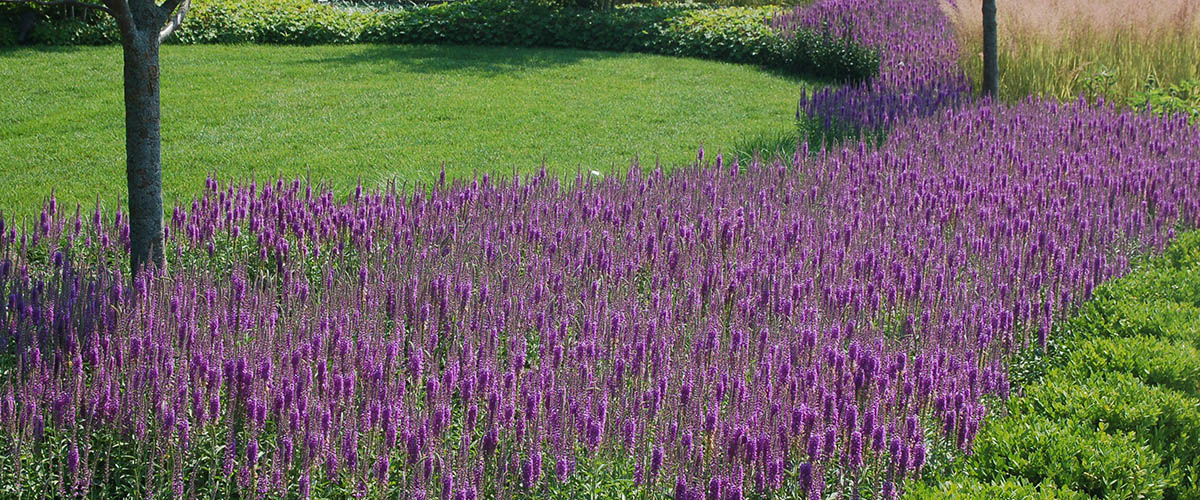
Evaluating Perennials for Chicagoland Gardens
Perennials in Focus is a plant evaluation program that examines new and underused plants for Chicagoland, the third largest metropolitan area in the country. A group of horticultural experts trials and evaluates plants at numerous locations across the region. Results help consumers, public gardens, growers, landscape designers, breeders, and other industry professionals make informed plant choices.
Best Perennials for a White-Themed Garden in the Midwest
A white-themed garden can feel luminous, calm, and carefully composed without becoming plain. In the Midwest, the strongest designs combine white flowers with silver foliage, deep green leaves, fine grasses, and plants that offer interest after flowering. The result is a garden that changes with the seasons rather than relying on a single flush of bloom.
Regional conditions matter. Chicagoland gardens may experience humid summers, alkaline or compacted soil, winter salt, late frosts, and sharp temperature swings. A perennial that thrives in a mild coastal climate may struggle here, so local trial information is especially valuable. The collaborative regional plant trials from Perennials in Focus can help gardeners assess plants through multiple seasons and garden settings.
White flowers also behave differently according to light. In shade, they brighten dim corners and stand out at dusk. In full sun, they can look crisp and reflective, especially when surrounded by blue-green or burgundy foliage. Planning for bloom sequence, mature size, and moisture needs will make the palette feel intentional and keep maintenance manageable.
Build the palette around bloom succession
Early-season white flowers can begin the display with bulbs, hellebores, and low-growing perennials. White-flowered lungwort, candytuft, and foamflower are useful in partial shade, while white creeping phlox can spread across a sunny rock garden or retaining wall. These plants create a fresh spring foundation before taller perennials take over.
Summer is the main season for a white border. Garden phlox, yarrow, catmint cultivars, coneflowers, Shasta daisies, and bee balm can carry the display through heat and humidity when matched to suitable soil and sunlight. Avoid placing every white bloomer at the same height; a layered arrangement gives the garden depth and prevents the flowers from merging into one indistinct mass.
Fall-blooming anemones, white boltonia, sneezeweed cultivars, and certain asters extend the design into September and October. Ornamental grasses, seed heads, and silver stems can then preserve structure after frost. A white garden is most successful when its “flowering season” includes foliage and form as well as petals.
Match plants to Midwest growing conditions
Sun exposure should guide the plant list before flower color does. Most white-flowering coneflowers, yarrow, Shasta daisies, phlox, and asters perform best with at least six hours of direct sun. White astilbe, goat’s beard, woodland phlox, and foamflower are better suited to bright shade or morning sun with afternoon protection.
Drainage is equally important. Many perennials tolerate cold winters but decline in heavy, wet soil that stays saturated through spring. Incorporate organic matter where appropriate, avoid burying crowns under mulch, and use raised or gently mounded beds for plants that dislike winter moisture. For dry sites, select white yarrow, lamb’s ear, catmint, gaura where hardy, and drought-tolerant ornamental grasses.
Mature dimensions deserve careful attention. A plant labeled compact in a catalog may spread substantially in fertile Midwestern soil. Check expected height and width, then allow air circulation around mildew-prone plants such as garden phlox and bee balm. Good spacing reduces disease pressure and makes deadheading, dividing, and spring cleanup easier.
Select dependable white-flowering performers
The following plants offer a useful starting point for a white garden in the Midwest. Exact performance varies with cultivar, soil, winter exposure, and maintenance, so regional observations should inform final choices. The plant snapshots provide a practical way to compare characteristics such as flower color, bloom period, height, and spread.
| Perennial | Light | Approximate season | Garden role |
|---|---|---|---|
| White garden phlox | Full sun to part sun | Mid to late summer | Fragrant mid-border mass |
| ‘PowWow White’ coneflower | Full sun | Summer to early fall | Upright pollinator perennial |
| White yarrow | Full sun | Summer | Drought-tolerant filler |
| White astilbe | Part shade | Early to midsummer | Feathery woodland accent |
| Shasta daisy | Full sun | Summer | Bright, classic focal group |
| White Japanese anemone | Part sun to part shade | Late summer to fall | Late-season vertical interest |
| White boltonia | Full sun | Late summer to fall | Airy back-of-border presence |
| Lamb’s ear | Full sun, dry soil | Foliage; summer flowers | Silver groundcover and edging |
Garden phlox is valuable where fragrance and vertical color are needed, although mildew-resistant cultivars are preferable in humid areas. Shasta daisies provide a recognizable flower form and work well in repeated groups, while white coneflowers contribute seed heads and attract pollinators. White astilbe brings a softer texture to shady beds, especially beside hostas with blue or green foliage.
For a lighter, more natural appearance, consider white boltonia, white yarrow, and airy grasses. Their branching stems prevent the planting from looking overly formal. Lamb’s ear is useful near paths where its silver leaves can be appreciated up close, but remove flower stalks if the plant begins to look untidy or spreads beyond its intended edge.
Use foliage to keep white flowers grounded
A monochromatic flower scheme needs contrast. Blue-green leaves from ornamental grasses, artemisia, catmint, and certain hostas make white blooms appear brighter. Dark foliage from heuchera, ninebark, sedum, or burgundy-leaved shrubs adds punctuation and keeps the composition from becoming visually flat.
Texture matters as much as color. Combine rounded leaves with narrow blades, fernlike foliage, upright spikes, and open branching stems. A white astilbe beside a broad-leaved hosta looks more distinctive than either plant repeated across a bed. Fine-textured plants also help connect dense flower clusters with open spaces.
Consider evening viewing when positioning the palest blooms. White flowers near a patio, walkway, or kitchen window can catch moonlight and remain visible after sunset. Avoid placing too many white flowers against a pale wall or light-colored fence, where they may lose definition; a dark green hedge or deep foliage provides a stronger backdrop.
Plan a resilient planting with purpose
A successful white perennial border should include dependable anchors, seasonal fillers, and plants that support wildlife. Grouping three or more plants of the same cultivar usually creates greater visual impact than scattering individual specimens. Repetition also makes the design easier to edit if one plant underperforms.
Use this checklist when assembling a Midwest planting:
- Choose at least one spring, summer, and fall white bloomer.
- Repeat reliable plants in groups rather than mixing every flower singly.
- Add silver, blue-green, or burgundy foliage for contrast.
- Reserve moisture-loving plants for consistently damp soil and shade.
- Leave enough room for mature spread and air circulation.
Pollinator value should remain part of the design. White coneflowers, yarrow, phlox, anemones, and asters can provide nectar or habitat, while seed heads offer food and shelter later in the year. If a formal appearance is important, deadhead selectively instead of cutting every plant immediately after flowering.
Make maintenance part of the design
White flowers show browning, mud splashes, and spent petals more clearly than saturated colors. A light layer of mulch can reduce soil splash, but keep it away from crowns and stems. Regular watering during establishment, followed by deeper and less frequent irrigation, encourages stronger root systems than shallow daily watering.
Some plants benefit from early-season division, while others need staking or a simple support ring before they flop. Garden phlox and tall anemones are easier to manage when supports are installed while stems are still short. Cut diseased foliage promptly, clean up infected debris, and select resistant cultivars whenever possible.
Winter structure can be attractive in a white garden. Leave sturdy coneflower heads, grasses, and boltonia stems standing until late winter if they remain healthy and do not obstruct paths. Frost-covered seed heads create seasonal interest, and the stems provide cover for insects. Complete cleanup in early spring as new growth begins.
Begin with a small, well-observed bed rather than filling an entire landscape at once. Track which perennials flower when, how tall they become, and how they respond to local weather. Then expand the combinations that remain healthy and attractive. Explore the regional evaluations at Perennials in Focus, compare plants by site conditions, and build a white-themed Midwest garden that performs beautifully through every season.
In the Garden
Evaluator gardens are located across the Chicagoland area, representing a range of growing conditions. Visit our retail and wholesale partners to find trialled perennials for your own garden.
Retail & Wholesale: Hinsdale Nurseries (Willowbrook, IL), Mariani Nurseries (Kenosha, WI & Garden Prairie, IL), Northwind Perennials (Burlington, WI), The Growing Place (Aurora, IL).
Wholesale Only: Hinsdale Nurseries (Plano, IL), Intrinsic Perennial Gardens (Hebron, IL).
Our Evaluation Program
The 2017–2020 evaluation cycle included Agastache 'Blue Boa', Allium senescens 'Blue Eddy', Amsonia ciliata var. filifolia 'Georgia Pancake', Astilbe 'Chocolate Shogun', Boltonia astroides 'James Crocket', Brunnera 'Alexander's Great', and Geranium cinereum 'Jolly Jewel Purple'. Completed evaluations include Amsonia 'Blue Ice' (2004–07).
On April 10, 2020, the program published snapshot profiles for Vernonia lettermanii 'Iron Butterfly', Stokesia laevis 'Elf', Stachys officinalis 'Pink Cotton Candy', Lobelia 'Monet Moment', Helleborus 'Winter Thrillers', Geum 'Mai Tai', Geranium soboliferum 'Butterfly Kisses', Gentiana x intermedia 'True Blue', Eurybia divaricata, Asparagus 'Purple Passion', and Agastache 'Bolero'.
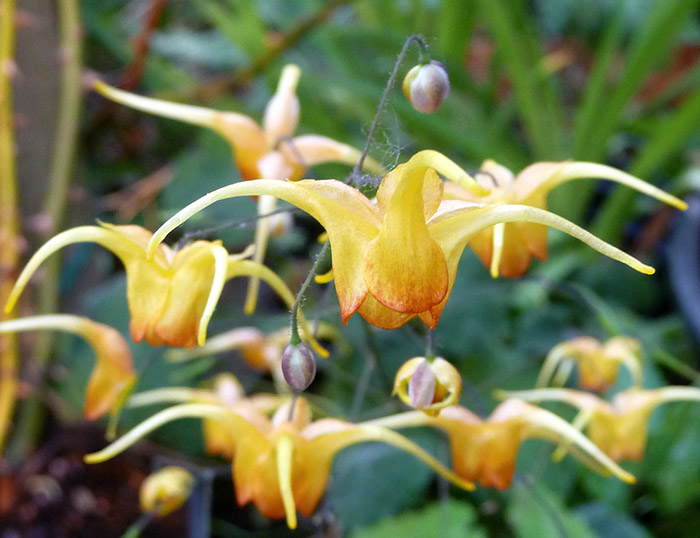
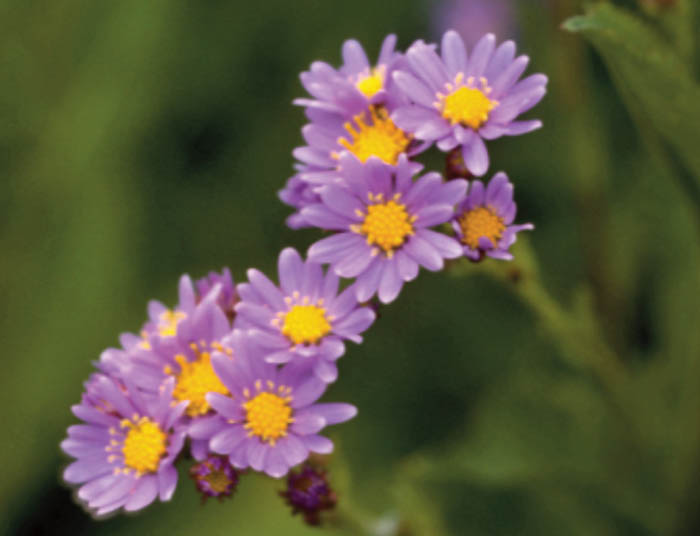
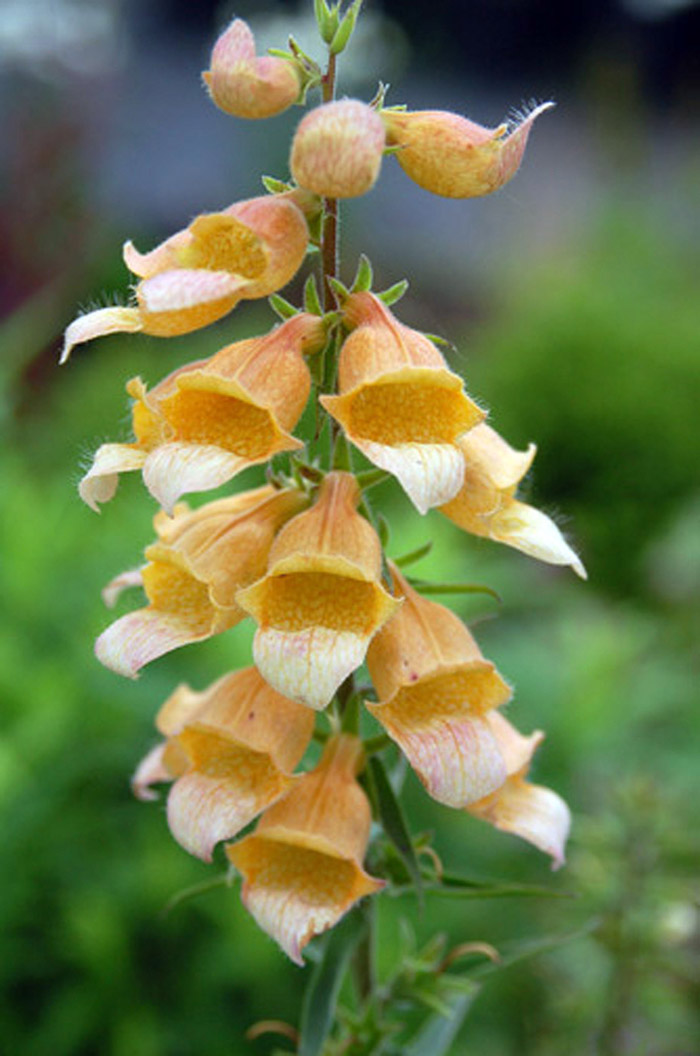
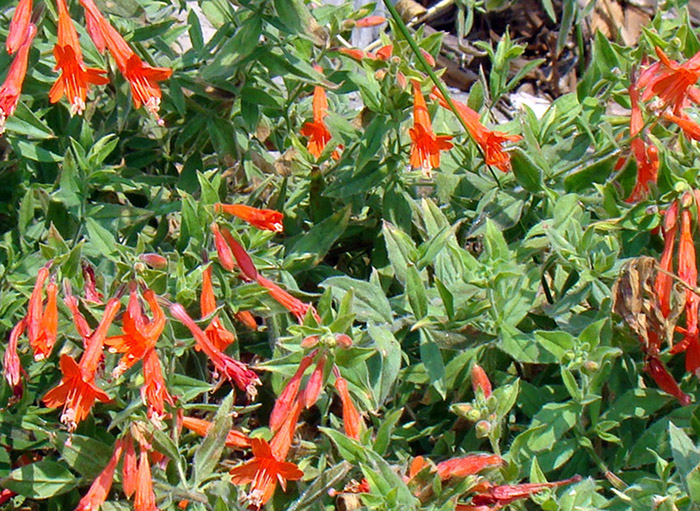
Browse the full collection of snapshots organized alphabetically — from A–D, E–H, I–Q, and R–Z — to find detailed performance data on perennials trialled across Chicagoland.